
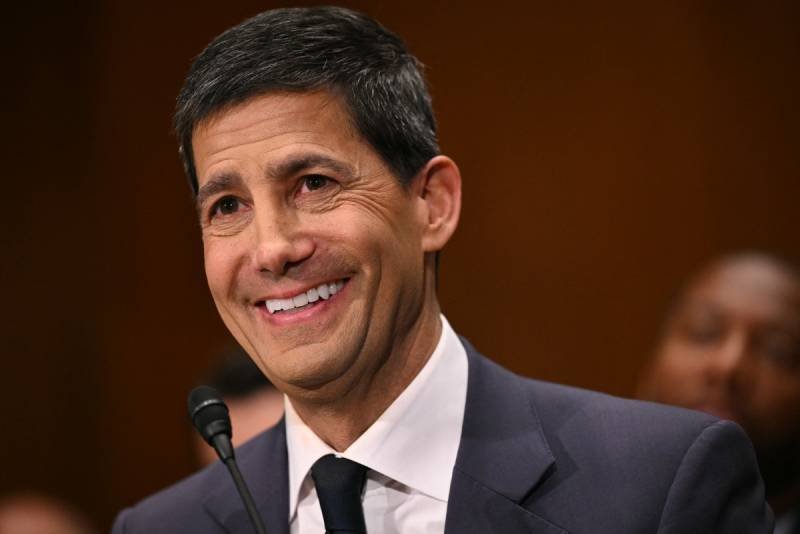

WASHINGTON: Kevin Warsh officially returned to the Federal Reserve this week after securing Senate confirmation as the new chair of America’s central bank.
The Senate approved Warsh’s appointment to a 14-year term on the Fed’s board on Tuesday, followed by a separate vote confirming him as chairman for the next four years. His return comes during heightened political tensions, as US President Donald Trump continues demanding lower interest rates to stimulate economic growth.
At his Senate confirmation hearing, Warsh pledged to protect the Federal Reserve’s independence and rejected suggestions that he would act under White House influence. He stated that he would remain an “independent actor” despite being nominated by Trump.
Warsh Promises Major Changes at Central Bank
Warsh previously served on the Federal Reserve Board during the global financial crisis before resigning in 2011 over policy disagreements. Since then, he has worked on Wall Street and served on corporate boards, including UPS.
Meanwhile, the new Fed chief has outlined an ambitious reform agenda. He wants to change how the central bank makes decisions, communicates policies, and evaluates economic data.
In addition, Warsh supports reducing the Fed’s balance sheet and relying more heavily on interest rates as the primary economic policy tool. He has also criticized previous inflation policies, blaming earlier Federal Reserve decisions for price pressures following the Covid-19 pandemic.
Analysts Closely Watch Future Policy Direction
Economic experts believe Warsh’s leadership could significantly reshape the Federal Reserve. However, analysts also noted that internal divisions among policymakers may limit how quickly he can implement changes.
Observers further pointed out that Warsh has recently aligned more closely with Trump’s economic views, particularly regarding interest rate reductions.
Despite concerns about political pressure, analysts expect Warsh to face the challenge of balancing Federal Reserve independence with growing demands from Washington during a sensitive economic period.

