
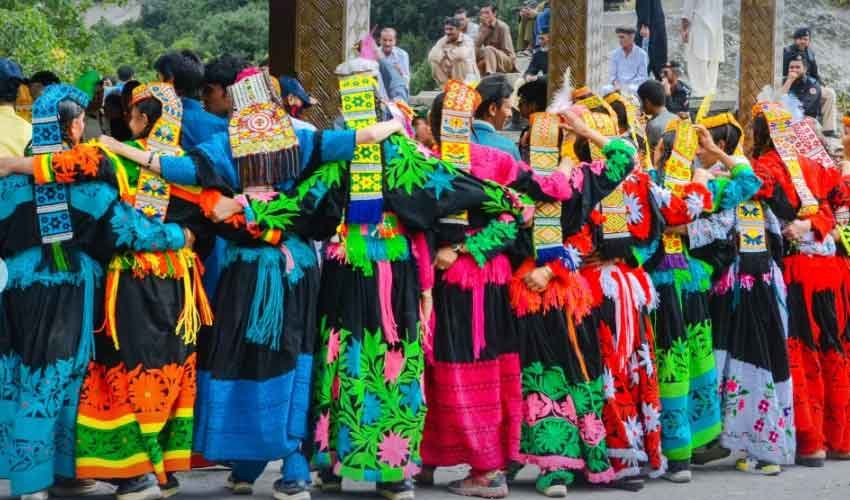

The culturally rich Kalash Valleys in Chitral have achieved a major milestone. The valleys are now included in the UNESCO World Heritage Tentative List. This step places the region on the global cultural map and opens the door for full World Heritage status in the future.
The Tentative List is the first requirement for any site seeking final recognition. Countries must submit important natural or cultural sites for preliminary inclusion. Only then can the World Heritage Committee review them for official inscription. This inclusion signals international acknowledgment of the region’s cultural importance.
Unique Indigenous Culture Gains Global Spotlight
The Kalash Valleys consist of three remote valleys. These include Bumburate, Birir, and Ramboor. The region is home to a small indigenous community of around 4,000 people. The Kalash people follow a distinct polytheistic belief system. Their traditions differ greatly from surrounding cultures.
Experts say this recognition is historic. It marks one of the rare instances where an entire living cultural system has been acknowledged. The community has preserved its identity for centuries. Despite outside influence, their customs remain intact.
According to UNESCO, the Kalash cultural landscape holds outstanding universal value. It represents a rare example of a living heritage system. Rituals, festivals, and daily practices are still actively performed. These traditions are deeply connected to the natural environment.
The valleys feature more than 140 cultural sites. These include ceremonial platforms, traditional villages, and ancestral graveyards. Wooden carvings and sacred spaces add to the region’s uniqueness. Each location carries deep cultural meaning.
Preservation Efforts and Next Steps
Officials in Khyber Pakhtunkhwa have welcomed the development. Authorities have worked for over a decade to achieve this milestone. The inclusion is expected to strengthen preservation efforts. It will also support sustainable tourism and community development.
The next phase involves preparing a detailed nomination dossier. This document will outline protection laws and conservation strategies. It will also include community participation plans. Only after this step can the site move toward full World Heritage status.
Experts stress the importance of safeguarding both tangible and intangible heritage. Tangible heritage includes physical structures and historic sites. Intangible heritage covers traditions, music, language, and rituals. In the Kalash region, both aspects are closely linked.
The cultural system also includes oral storytelling, seasonal festivals, and traditional dress. Community governance is guided by councils of elders. These practices shape social life and decision making.
Global Recognition Brings New Opportunities
Leaders have described the development as long overdue. The recognition highlights the cultural diversity of Pakistan. It also promotes awareness of lesser-known indigenous communities.
The listing is expected to attract international attention. Tourism may increase in the coming years. However, experts warn that growth must be managed carefully. Protecting the community’s identity remains the top priority.
The UNESCO listing is more than symbolic. It provides a framework for long-term preservation. It also encourages global collaboration in heritage protection.
For the Kalash people, this recognition is a powerful moment. It validates centuries of tradition and resilience. It also ensures that their cultural legacy will be preserved for future generations.

