
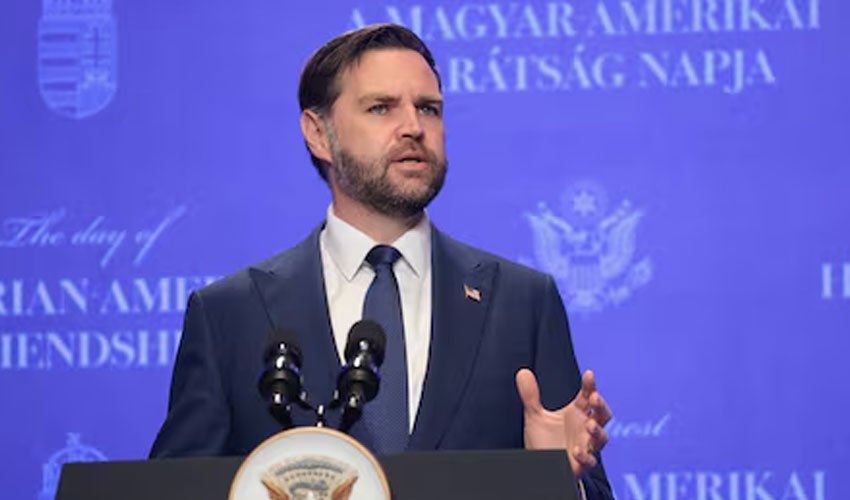

US Vice President JD Vance has said that negotiators achieved “significant progress” in discussions with Iran following the recent Islamabad Talks, while emphasizing that the next steps depend largely on Tehran’s decisions.
Speaking in an interview with Fox News, Vance stated that Washington had presented clear proposals during negotiations and now expected a response from Iranian authorities. He noted that the United States had outlined its core conditions and remained prepared for further dialogue if Iran demonstrated willingness to comply.
US Reaffirms Nuclear Red Lines in Ongoing Negotiations
Vance stressed that Iran must not attempt to acquire nuclear weapons under any circumstances. He added that US officials had made it clear that sensitive nuclear material must be removed from Iranian territory as part of any potential agreement.
According to the vice president, all of Washington’s negotiating red lines stem from a single principle: preventing Iran from developing nuclear weapons capability. He also accused Tehran of engaging in what he described as “economic terrorism” against global markets, particularly through actions affecting maritime trade and energy supplies.
Officials in Washington continue to frame the nuclear issue as the central obstacle to a long-term settlement. However, diplomats remain cautiously optimistic that continued engagement could reduce tensions if both sides maintain communication channels.
Reopening Strait of Hormuz Seen as Key Confidence-Building Step
Vance also highlighted the importance of restoring normal shipping operations through the strategically vital Strait of Hormuz, one of the world’s most critical energy transit routes. He said progress toward reopening the waterway would signal Iran’s commitment to de-escalation and regional stability.
The vice president noted that the fragile 14-day ceasefire reached last week was partly based on Tehran’s agreement to reopen the strait. Nevertheless, he warned that attempts to delay or alter previously agreed terms could undermine trust between the parties.
Diplomatic observers say the coming days will prove crucial in determining whether the negotiations lead to a broader peace arrangement or renewed confrontation.

