
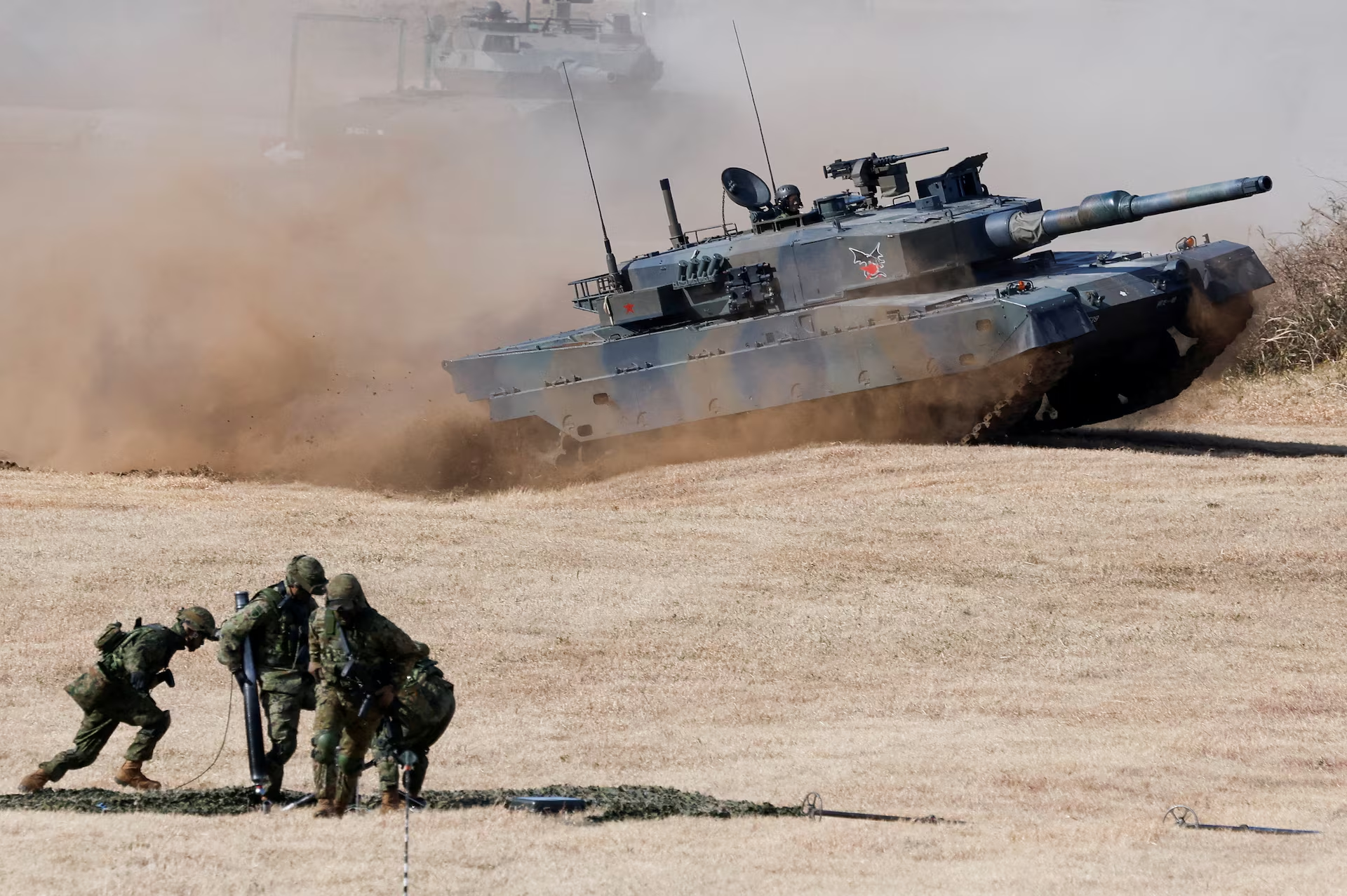

Japan is preparing to relax its long-standing arms export restrictions, a move that has already attracted interest from countries including Poland and the Philippines. Prime Minister Sanae Takaichi’s ruling party approved the changes this week, and officials expect the government to formally adopt them later this month. The decision comes as shifting global security dynamics and ongoing conflicts strain US weapons supplies and push allies to diversify procurement.
Tokyo aims to strengthen its domestic defense industry while expanding its role in global security cooperation. Despite decades of limited participation in international arms markets, Japan maintains a robust industrial base supported by significant military spending. Companies such as Toshiba and Mitsubishi Electric have begun increasing hiring and expanding production capacity to meet anticipated demand. Meanwhile, officials indicated that one of the first deals under the revised policy could involve exporting used naval frigates to the Philippines, which faces rising tensions in the South China Sea.
At the same time, European partners view Japan’s policy shift as an opportunity. Diplomats say diversifying suppliers could reduce dependence on the United States, particularly as ongoing conflicts in Iran and Ukraine stretch American production. Poland, for instance, has explored cooperation with Japanese firms in areas such as drone and electronic warfare systems.
However, challenges remain. Some Japanese corporations remain cautious about reputational risks linked to arms exports, especially those with large consumer businesses. Nevertheless, government officials believe the revised framework will encourage broader participation and support long-term industrial growth.
Overall, analysts say Japan’s move signals a significant shift in its postwar defense posture and could reshape global arms supply chains.

