
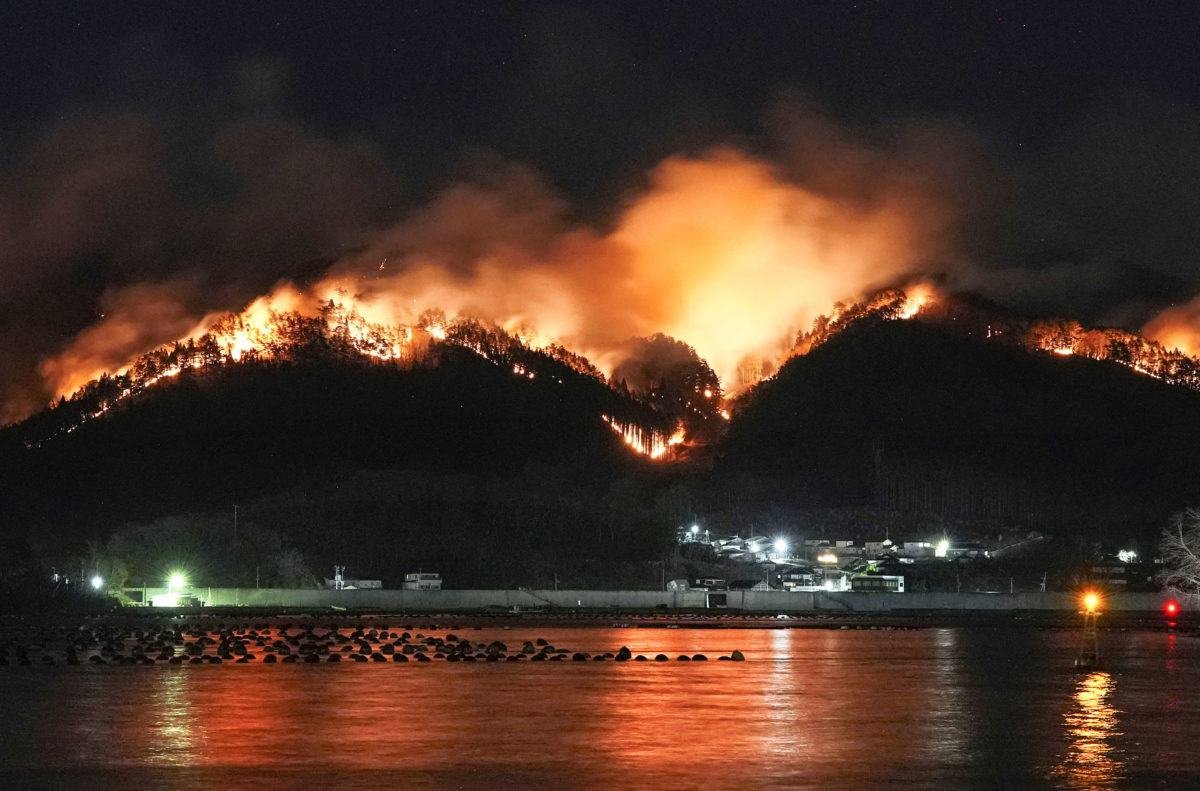

Firefighters and Military Lead Intense Rescue Effort
A major wildfire in Japan has been brought under control after an intense 11-day operation. The blaze swept through large forest areas in the northern Iwate region. Officials described it as one of the largest wildfires in decades.
The response involved hundreds of firefighters and more than 1,000 military personnel. Teams worked around the clock to contain the flames. Both ground and aerial firefighting methods were used to stop the spread.
The fire burned approximately 1,600 hectares of land. This area is nearly five times the size of Central Park. The scale of destruction highlights the severity of the incident.
Authorities confirmed that at least eight buildings were damaged. Two individuals suffered minor injuries. Thousands of residents were forced to evacuate as a precaution. Emergency shelters were set up to support displaced families.
Local Leadership Confirms Fire Containment
Kozo Hirano, mayor of Otsuchi, confirmed that the wildfire is now under control. He shared the update after visiting affected areas with emergency officials.
He credited coordinated efforts for the success. Firefighters, military teams, and support staff worked together to manage the crisis. Heavy rainfall also played a crucial role in slowing down the fire.
Despite the progress, authorities remain cautious. Officials warned that smouldering embers could still reignite flames. Monitoring efforts will continue in the coming days to prevent further outbreaks.
Climate Conditions Raise Future Risk Concerns
The wildfire is being described by Kyodo News as the second largest in Japan in over 30 years. The incident has renewed concerns about rising wildfire risks.
Experts point to changing climate patterns as a key factor. Warmer temperatures and drier winters are increasing fire hazards. These conditions create an environment where fires can spread rapidly.
The region has faced similar disasters before. In recent years, another wildfire burned even larger areas in Iwate. Historical records also show major fires in Hokkaido during the past decades.
Scientists continue to warn about the impact of climate change. The burning of fossil fuels is linked to rising global temperatures. This leads to longer dry periods and higher chances of wildfires.
The recent wildfire serves as a reminder of growing environmental challenges. Authorities are now expected to strengthen prevention and response strategies. Preparedness will be key to handling future disasters.
For now, the focus remains on recovery. Residents are gradually returning home. Cleanup and damage assessment efforts are underway across affected areas.

