

Ministers Clash Over Military Response Options
Leaked details from a recent Israeli cabinet meeting have revealed significant differences among senior government officials regarding military policy toward Iran and Hezbollah, while also highlighting concerns about the influence of domestic politics on national security decisions.
According to the reported discussions, National Security Minister Itamar Ben Gvir urged a tougher approach, arguing that Israel must clearly communicate its red lines to both allies and adversaries. He maintained that any attack originating from Lebanon or Iran should trigger an immediate Israeli response.
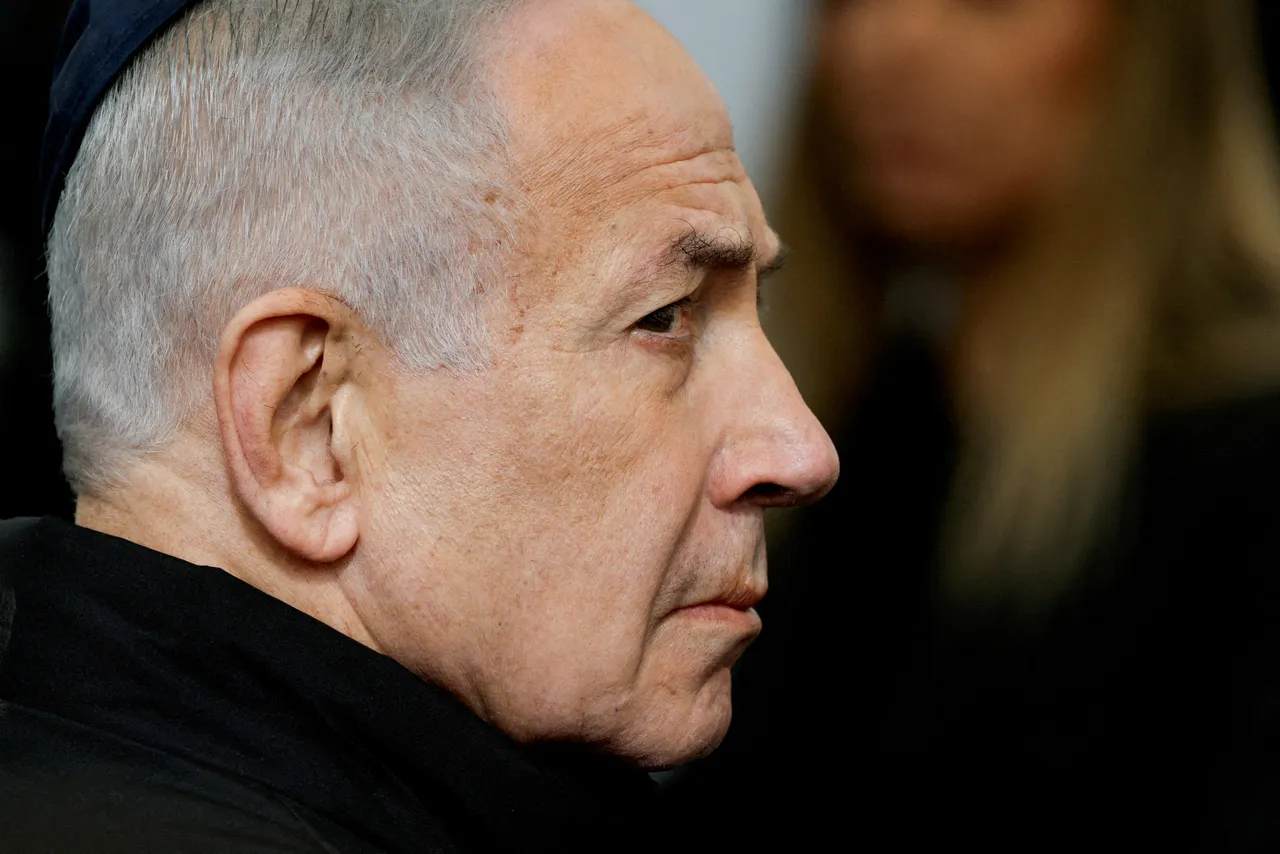
Prime Minister Benjamin Netanyahu responded with a remark widely interpreted as a reference to the upcoming elections, suggesting that political considerations could be influencing some of the positions being presented. Ben Gvir rejected that suggestion, insisting that he had consistently advocated the same policy regardless of the electoral calendar.
The exchange underscored growing tensions within the governing coalition as security challenges continue to dominate the national agenda.
Differences Emerge Over Strategy and Coordination
Meanwhile, other senior ministers adopted a more cautious stance. Interior Minister Aryeh Deri reportedly called for restraint, arguing that proposals for attacks deep inside Iran or Beirut should be approached realistically and responsibly.
Netanyahu emphasized the importance of maintaining close coordination with US President Donald Trump. He noted that Washington remains committed to preventing Iran from accessing frozen assets and continues efforts to secure control over Iran’s nuclear material. Consequently, he questioned the wisdom of creating unnecessary friction with the United States.
Finance Minister Bezalel Smotrich also acknowledged the risks associated with military action against Iran, describing such operations as costly and highly complex. However, he supported stronger action against Hezbollah positions in Beirut’s southern suburbs, arguing that intensified pressure could weaken the group and separate the Lebanese front from broader regional tensions.
The leaked discussions have fueled debate among political observers, many of whom view the exchanges as evidence of the difficult balance between security considerations, diplomatic coordination, and domestic political calculations ahead of the approaching elections.
Leaks from the latest Israeli cabinet session as published in Ynet:
Ben Gvir: "We need to make clear to Trump that we have red lines, and if we're attacked from Lebanon or from Iran that's a red line and we have to respond."
Netanyahu (mocking, hinting at Ben Gvir's motives):…
— Shaiel Ben-Ephraim (@academic_la) June 8, 2026

