
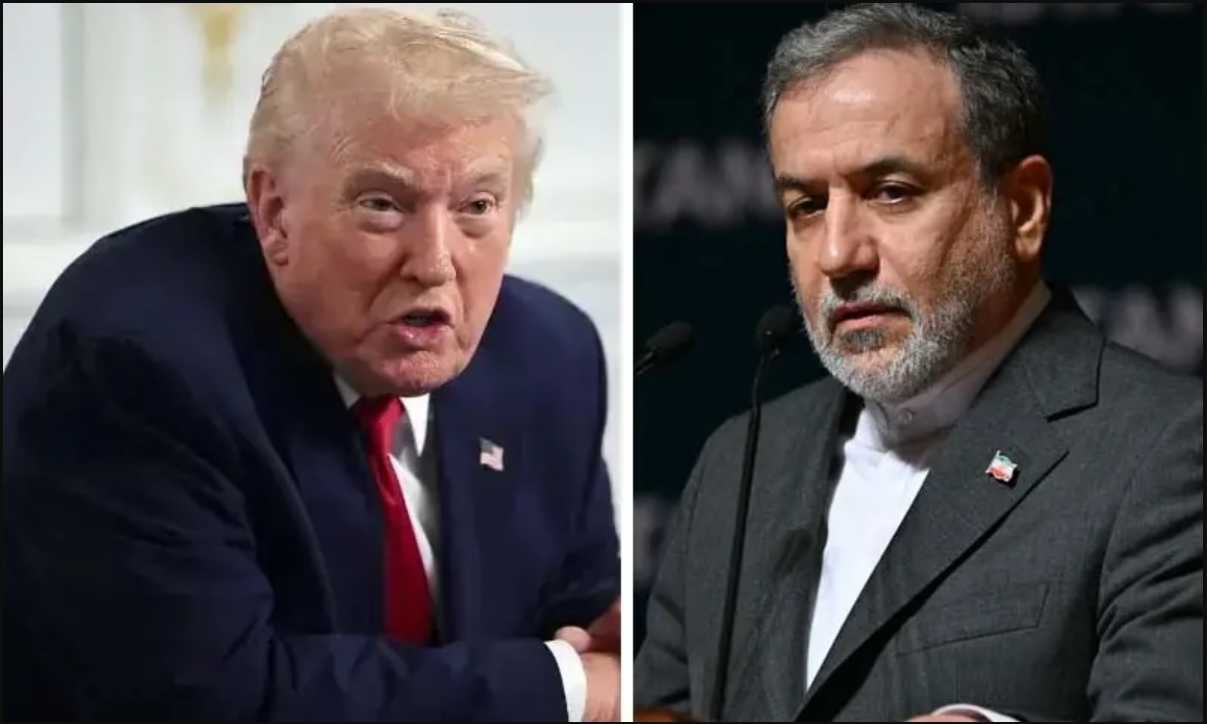

Iran has announced that the Strait of Hormuz is open for commercial vessels. The decision comes after a ceasefire arrangement linked to wider regional tensions.
Iranian Foreign Minister Abbas Araghchi confirmed the development through a public statement. He said shipping would resume under defined maritime guidelines.
He added that vessels must follow routes set by Iran’s Ports and Maritime Organisation. This move signals partial easing of regional maritime restrictions.
US Response and Trump’s Optimistic Remarks
US President Donald Trump expressed optimism about a potential agreement with Iran. He said a resolution could be reached “soon”.
He also suggested that negotiations are progressing quickly. However, he did not confirm a final timeline for any agreement.
Trump said Iran appears willing to move toward a deal. At the same time, he maintained that certain measures remain in place.
He posted that restrictions on shipping to Iranian ports will continue until a full agreement is completed.
Ceasefire and Regional Shipping Impact
The reopening of the Strait comes after a temporary ceasefire arrangement in the region. This ceasefire involves multiple regional actors and agreements.
The Strait of Hormuz plays a critical role in global energy trade. Nearly one-fifth of global oil and LNG passes through this route.
Earlier disruptions had raised concerns over global supply chains. Consequently, oil markets reacted sharply to the latest announcement.
Following the statement, oil prices reportedly dropped by around nine percent. This reflected easing fears over supply disruptions.
Ongoing Diplomatic Efforts Between Iran and the US
Despite progress claims, key differences remain between both sides. Negotiations continue over nuclear-related issues and sanctions relief.
Reports suggest discussions include limits on nuclear activity and conditions for lifting sanctions. However, no final agreement has been reached yet.
A mediator involved in talks said progress is visible in backchannel diplomacy. He noted that a memorandum of understanding could be signed soon.
He further suggested that a broader agreement may follow within 60 days if discussions succeed.
Key Sticking Points in Negotiations
One major issue remains Iran’s nuclear programme. The United States has proposed a long suspension of nuclear activity.
Iran, however, has reportedly proposed a shorter pause period. Both sides continue to exchange proposals through mediators.
Another concern involves enriched uranium storage and possible transfer arrangements. These discussions remain sensitive and unresolved.
Iranian officials have rejected some external claims about uranium transfer agreements. They maintain that no final deal exists on the matter.
Regional Security and Ceasefire Situation
The broader regional conflict continues to influence diplomatic talks. A ceasefire between Israel and Lebanon has helped reduce immediate tensions.
However, reports of minor violations still emerge from affected areas. Authorities continue to monitor the situation closely.
Diplomatic mediators argue that regional calm is essential for long-term progress. Therefore, efforts continue to maintain stability alongside negotiations.
Outlook for Upcoming Talks
Further meetings between US and Iranian officials are expected soon. The timing remains uncertain due to logistical and political challenges.
Despite unresolved issues, both sides have shown willingness to continue dialogue. As a result, expectations remain cautiously optimistic.
For now, the reopening of the Strait of Hormuz marks a significant step. It also signals movement in a complex and evolving diplomatic process.

