

Britain is preparing a major policy shift as global tensions reshape alliances. The ongoing Iran war has strained relations between the United Kingdom and the United States. As a result, the government is now looking toward Europe for stronger cooperation.
Prime Minister Keir Starmer’s administration plans to introduce new legislation next month. This move aims to bring the UK closer to the European Union. Notably, the decision reflects growing uncertainty in transatlantic ties.
EU ‘Reset’ Bill Signals Strategic Shift
The government is drafting an EU “reset” bill to deepen economic and regulatory alignment. This proposal would allow ministers to match UK standards with evolving EU market rules. The approach, known as dynamic alignment, could reshape post-Brexit policies.
Officials confirmed that King Charles III will present the legislation on May 13. This announcement will outline the government’s priorities for the coming months. Consequently, the bill could mark a turning point in UK-EU relations.
“We have a government that is already eager to move closer towards the EU, and the events in Iran provide an opportunity to speed up that process,” Evie Aspinall said.
Strained US Relations Add Urgency
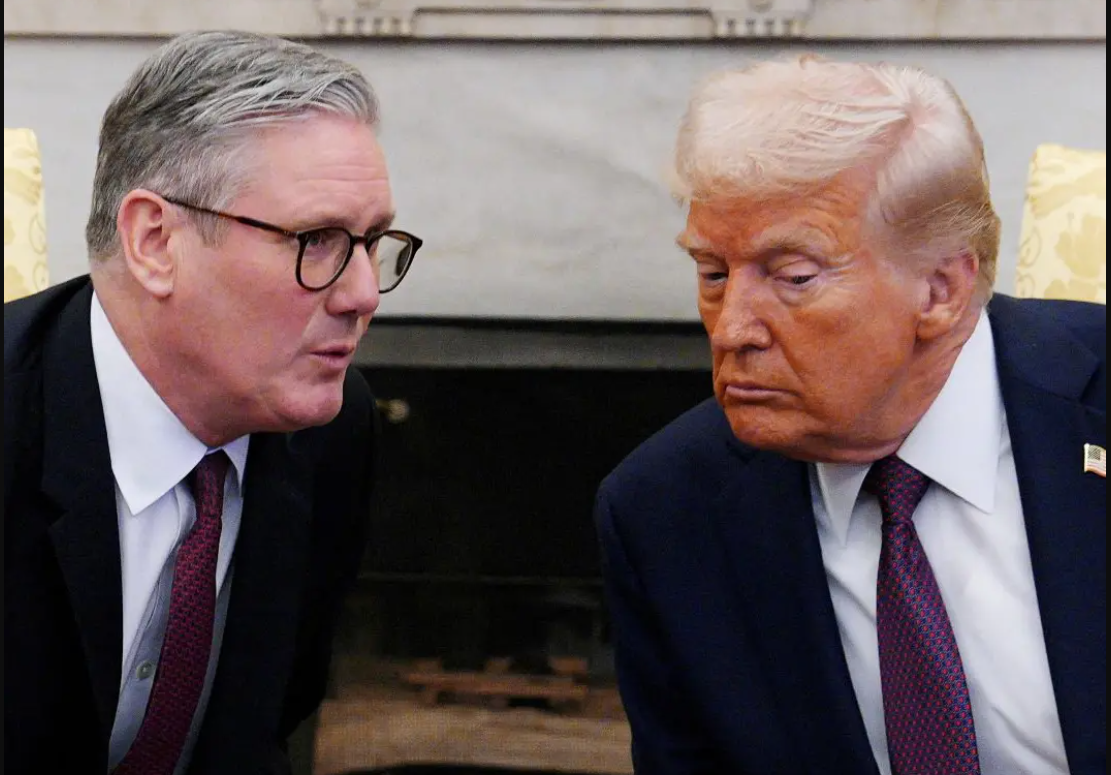
Tensions with the United States have increased under President Donald Trump. His unpredictable approach and critical remarks have unsettled long-standing diplomatic ties. Therefore, the UK now seeks more stable partnerships.
Starmer avoided direct involvement in early military actions linked to the Iran conflict. However, he later allowed limited use of UK bases for defensive purposes. This cautious approach has drawn mixed reactions from Washington.
“Certainly Iran has made it [the reset] more prescient,” said a UK official.
“We need to build economic resilience across the continent,” they added.
Economic Pressures Drive Closer EU Cooperation
The European Union remains Britain’s largest trading partner. At the same time, economic challenges linked to the Iran conflict continue to grow. These pressures have increased the need for regional cooperation.
The government plans agreements to reduce trade barriers on food and plant exports. In addition, discussions include integrating the UK into Europe’s electricity market. These steps aim to strengthen economic stability.
“There’s no doubt that there is now momentum in the UK-EU relationship partly as a result of Trump’s unreliable behaviour,” David Henig said.
“Independent UK trade policy looks much harder, the prospects of working with the EU much brighter.”
Brexit Legacy Shapes Political Debate
The proposed changes arrive nearly a decade after the Brexit referendum. That historic vote reshaped Britain’s relationship with Europe. However, public opinion has gradually shifted since then.
Many citizens now express regret over leaving the European Union. Rising living costs have further influenced these views. Meanwhile, political parties remain divided on how far the UK should reconnect with Europe.
“We need to be doubling down on relations with reliable partners who share our interests and values,” Calum Miller said.
Political Challenges and Public Sentiment
Despite growing support, the EU reset plan faces opposition. Critics argue that closer alignment could undermine Brexit’s outcome. Some political groups have already labeled the move a betrayal.
Nevertheless, the government appears determined to proceed. Starmer continues to emphasize economic security and regional cooperation. Therefore, the coming months could define Britain’s long-term direction.
“When the relationship with the United States is fracturing, it means there’s reduced opposition to a closer relationship with the EU among the public,” said Aspinall.

