
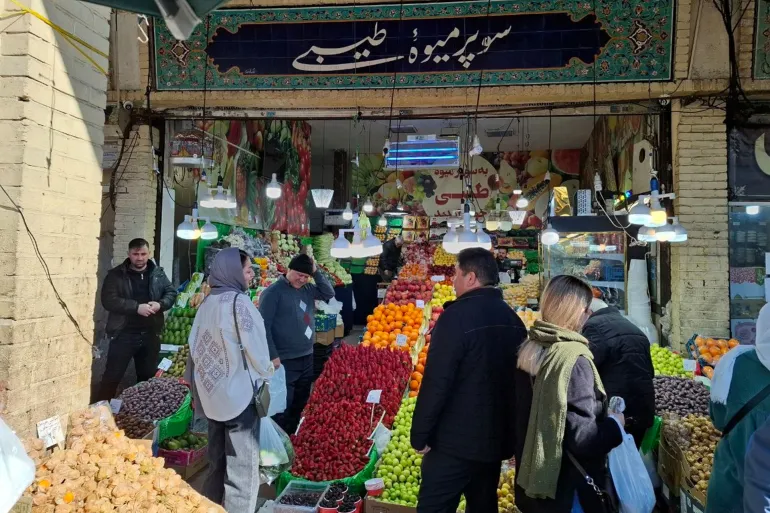

Consumers Face Growing Pressure Amid Record Inflation
Shoppers across Tehran are grappling with rapidly rising prices as Iran experiences its highest inflation rate in decades, placing increasing pressure on households and businesses alike.
In markets throughout the capital, residents say routine shopping has become an exercise in tracking constantly changing prices. Many consumers now compare costs more frequently, hoping to find affordable essentials before another round of increases takes effect.
Retirees, salaried workers and low-income families have been among the hardest hit. Residents report sharp increases in the prices of staple goods, including rice, cooking oil, meat and eggs, forcing many households to reduce spending and alter consumption habits.
Moreover, several consumers say fixed incomes have failed to keep pace with the rising cost of living, leading to a significant decline in purchasing power. As a result, many families are prioritizing necessities while postponing discretionary purchases.
Economic Pressures Affect Businesses and Markets
The inflation surge has also created challenges for merchants and retailers. Shop owners report declining sales as consumers limit purchases to essential items. Many businesses say customer demand has weakened despite markets remaining crowded with visitors.
According to recent economic data, annual inflation has accelerated sharply, while prices for many goods have increased at unprecedented rates. Economists attribute the trend to a combination of factors, including currency reforms, higher energy costs, supply-chain disruptions, regional conflict, and trade constraints.
Furthermore, analysts argue that consumer behavior has changed significantly amid uncertainty. Concerns about future shortages have encouraged some households to stockpile basic goods, increasing demand and placing additional upward pressure on prices.
Business leaders also point to logistical difficulties and higher import costs as contributing factors. Shipping disruptions and increased transportation expenses have complicated supply chains and raised costs across multiple sectors.
Meanwhile, economic experts warn that inflation continues to erode both household and government finances. While authorities implemented wage increases earlier this year, many analysts believe those adjustments have been insufficient to offset rising living costs.
Despite stores remaining stocked with products, many consumers say affordability has become the primary challenge. Economists caution that without sustained stabilization measures, inflationary pressures could continue affecting households, businesses and overall economic activity in the months ahead.
As uncertainty persists, many Iranians remain concerned about the long-term impact of rising prices on living standards, savings and future economic prospects.

