
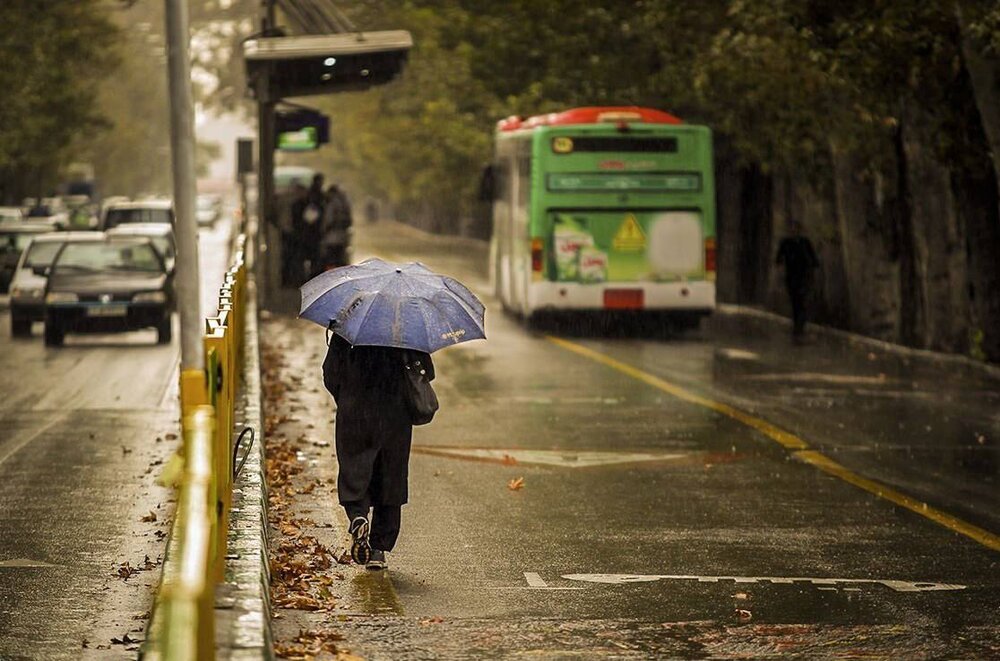

The head of Iran Meteorological Organization has rejected claims that recent winter and spring precipitation patterns are connected to the destruction of radar systems, clarifying that weather trends remain independent of such incidents.
Official rejects link between rainfall and radar damage
In a recent statement, the meteorological chief emphasized that rainfall patterns observed across the country follow natural climatic cycles rather than external disruptions. Moreover, the official noted that precipitation levels, particularly in southern regions, had already shown improvement well before any reported damage to radar infrastructure.
Additionally, the official stressed that meteorological data is collected through multiple systems, ensuring continuity even if specific equipment faces technical or operational challenges. Therefore, linking rainfall variations to radar damage lacks scientific basis.
Meanwhile, authorities reiterated that seasonal weather conditions depend on broader atmospheric patterns, including temperature shifts, humidity levels, and regional wind systems.
Seasonal trends remain consistent across regions
Furthermore, the meteorological agency confirmed that southern parts of Iran experienced favorable rainfall during both winter and early spring. This trend, officials said, aligns with historical averages and does not indicate any disruption caused by external factors.
In addition, experts highlighted that precipitation forecasting relies on satellite data and regional climate models, reducing dependence on a single source of information. As a result, overall weather monitoring remains stable and reliable.
Consequently, the agency urged the public to rely on verified scientific updates rather than speculation circulating in unofficial channels.
Overall, the statement aims to address misconceptions and reinforce confidence in the country’s meteorological systems and data accuracy.
https://x.com/FarsNews_Agency/status/2048832755308388393?s=20

