
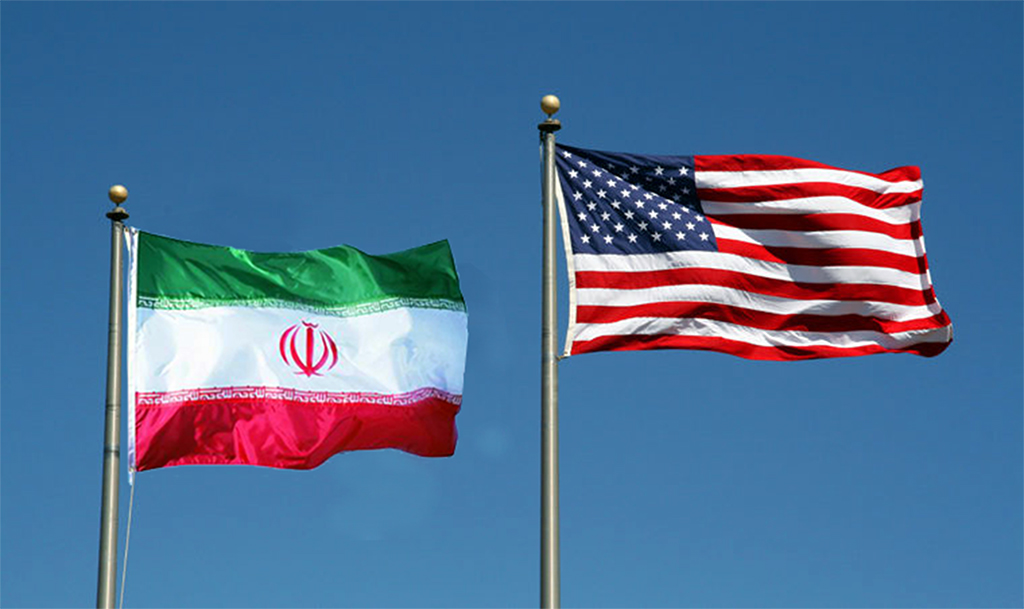

The ongoing US-Iran war has cost the average American household an additional $2,147, raising serious concerns about inflation, household budgets and President Donald Trump’s economic policies.
According to updated estimates from Moody’s Analytics, the financial burden continued rising through October 28, 2026.
The findings emerged on November 3, as Americans headed to the polls for crucial midterm elections.
How Is the Iran War Costing American Families $2,147?
Moody’s Analytics chief economist Mark Zandi linked the additional expenses to rising energy prices, borrowing costs and military spending.
Higher gasoline and diesel prices have placed the greatest pressure on household budgets.
Expensive fuel has also increased transportation costs, affecting groceries, airline tickets and other everyday purchases.
The estimate represents the average economic burden per household, rather than a direct government bill.
Gasoline Prices Put Pressure on US Consumers
Before the conflict began on February 28, gasoline averaged approximately $2.98 per gallon.
Prices subsequently climbed above $4, creating additional financial challenges for American motorists.
Higher diesel costs have also affected businesses that depend on transportation and deliveries.
US Military Spending Crosses $47 Billion
The Pentagon estimates that American military operations against Iran have cost more than $47 billion.
That includes billions allocated to replacing ammunition, maintaining operations and covering equipment losses.
The actual financial burden could increase further if the conflict continues.
Could Rising War Costs Influence US Elections?
The economic impact has become a major political issue ahead of the midterm election results.
Higher living expenses have complicated Trump’s promise to reduce costs for American families.
With diplomatic negotiations still uncertain, economists warn that prolonged instability could continue affecting household finances.

