
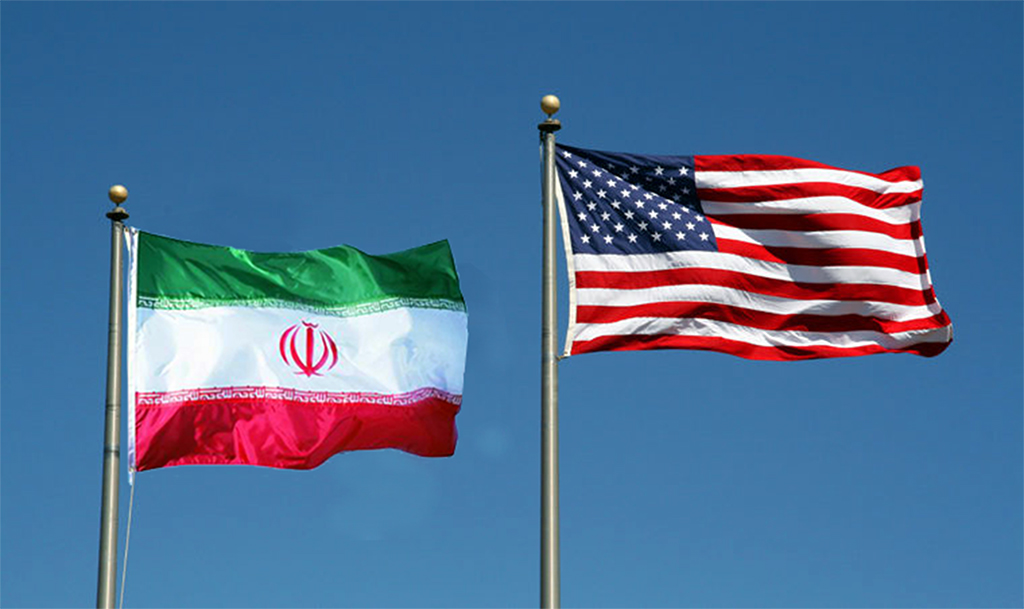

The ongoing Iran conflict is increasingly affecting the United States’ global image. Internal diplomatic assessments highlight growing concerns over damaged partnerships. In particular, Muslim-majority countries are showing rising skepticism toward Washington.
These concerns reflect a broader shift in international perception. As the conflict continues, public opinion appears to be turning more critical. Consequently, US influence faces mounting pressure across key regions.
Rising Anti-US Sentiment Across Strategic Nations
Diplomatic assessments point to increasing anti-US sentiment in several countries. Bahrain, Azerbaijan, and Indonesia are among the most affected. In each case, public narratives are shifting in ways that challenge US interests.
Moreover, these shifts are not isolated. Instead, they reflect a wider trend shaped by regional tensions and media influence. As a result, long-standing diplomatic relationships are facing new strain.
Digital Influence Campaigns Shape Public Opinion
Iran has intensified efforts to influence global narratives through digital platforms. These campaigns rely on fast-moving content, including bots, memes, and coordinated messaging. Therefore, public perception is being shaped rapidly across online spaces.
US diplomats acknowledge the challenge of responding effectively. They say existing communication limits slow their reaction time. Consequently, competing narratives often gain momentum before official responses emerge.
Diplomatic Limitations Hamper Real-Time Response
Officials highlight a key issue within US communication strategy. Many embassies can only share pre-approved messages from headquarters. This restriction reduces flexibility in a fast-paced information environment.
Diplomats argue that more autonomy is essential for effective engagement. Without it, they struggle to counter misinformation in real time. As a result, negative narratives continue to spread with little resistance.
Bahrain Faces Growing Public Concerns
In Bahrain, public opinion is shifting in a concerning direction. The country hosts a major US naval presence, making it strategically important. However, perceptions of US priorities are creating tension.
Some narratives suggest Washington is focusing more on Israel’s security. Consequently, concerns are rising that Gulf partners may face increased risks. These views are influencing local sentiment and political discussions.
Azerbaijan Sees Diplomatic Momentum Slow
Relations between the United States and Azerbaijan had shown improvement earlier. However, the conflict has disrupted that progress. Media coverage has shifted from neutral tones to more critical perspectives.
Diplomatic officials warn that prolonged tensions could reverse recent gains. This risk highlights the fragile nature of regional partnerships. Therefore, maintaining stability remains a key challenge.
Indonesia Experiences Surge in Anti-Western Narratives
Indonesia presents another critical case. As the world’s largest Muslim-majority democracy, its public opinion holds global significance. Officials report a noticeable rise in anti-Western sentiment.
Campaigns appealing to religious solidarity have gained traction. These narratives are influencing public discourse and perceptions of US policy. Consequently, cooperation on security issues could face limitations.
US Defends Policy Amid Growing Criticism
Despite rising concerns, US officials continue to defend their approach. They emphasize that current actions aim to enhance global security. Preventing Iran from developing nuclear capabilities remains a central objective.
At the same time, the administration faces growing scrutiny abroad. Critics question both strategy and communication efforts. Therefore, the challenge lies in balancing security goals with global perception.

