
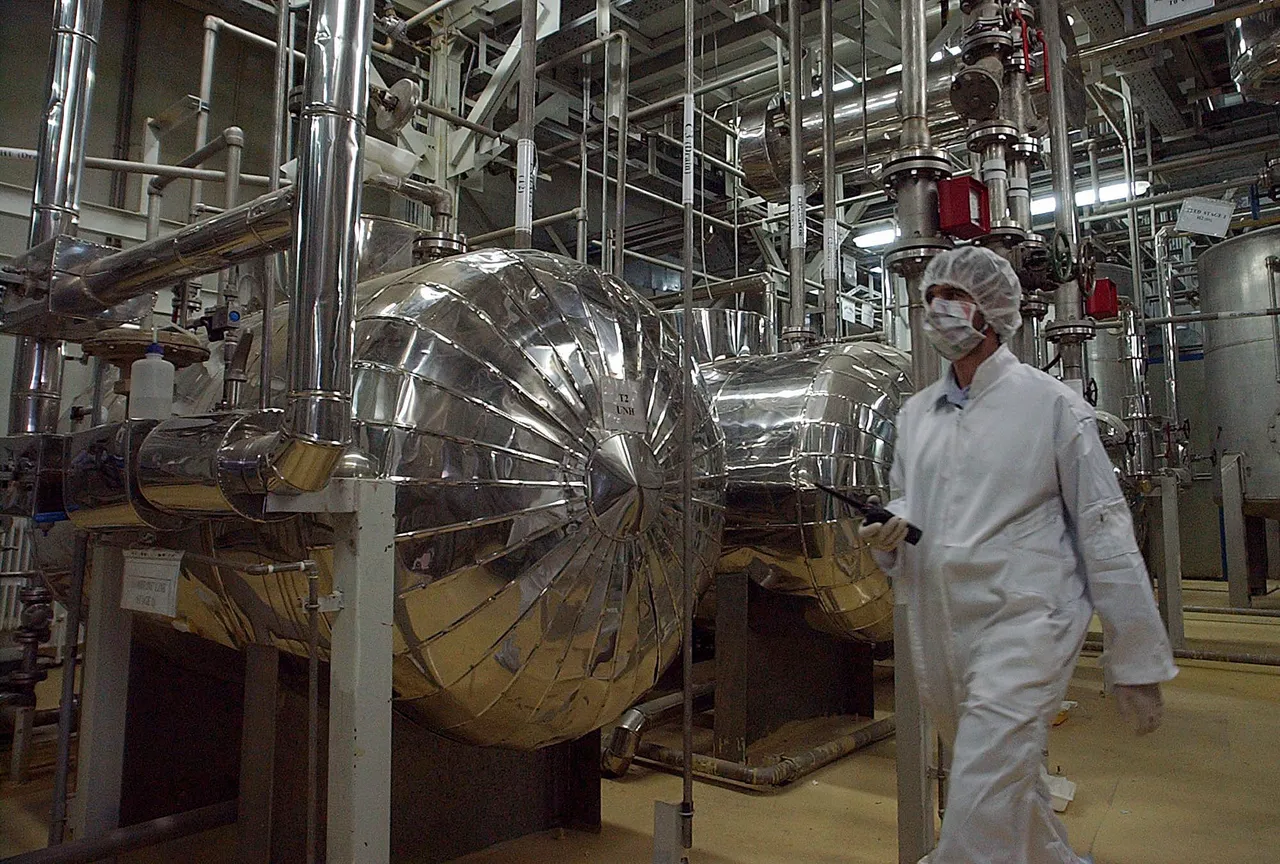

Iran has issued a serious warning that it may increase uranium enrichment to weapons-grade levels if fresh military attacks are launched by the United States and Israel. The statement comes during a period of extreme tension in the Middle East, where diplomatic efforts continue to struggle despite temporary ceasefire arrangements.
Iranian officials say the country could reconsider its nuclear strategy if another offensive targets Iranian territory. The warning has raised fresh concerns among global powers because uranium enriched to 90 percent purity is widely considered weapons-grade material.
The latest remarks were delivered by Ebrahim Rezaei, spokesperson for Iran’s parliamentary Foreign Policy and National Security Committee. In a public statement shared on social media, he said Iran’s parliament would review the matter if military aggression continues.
The development has increased fears about a wider regional conflict. Analysts believe renewed nuclear escalation could deepen instability across the Gulf and affect international security discussions already under pressure.
Iran Links Nuclear Policy to Military Threats
Iranian officials argue that recent military attacks have changed the security environment in the region. Tehran believes its national defense policies must respond to what it describes as external threats from Washington and Tel Aviv.
The latest crisis began after United States and Israeli forces reportedly launched strikes on Iranian targets earlier this year. Iran later responded with military action targeting Israeli positions and locations connected to American allies in the Gulf region.
The conflict also disrupted maritime activity in the Strait of Hormuz. Iran temporarily restricted movement through the strategic waterway, creating concern in global energy markets. Oil prices reacted sharply during the early days of the confrontation because the route handles a major share of global oil shipments.
Iran now says future nuclear decisions will depend on regional developments and foreign military actions. Officials continue to insist that their nuclear program remains connected to national security and strategic defense needs.
Experts warn that enrichment at 90 percent purity would significantly increase global concerns over nuclear proliferation. Western governments have repeatedly argued that such levels are unnecessary for civilian energy programs.
Ceasefire Efforts Struggle to Produce Permanent Agreement
Pakistan played a key diplomatic role in recent negotiations aimed at reducing tensions between Iran and the United States. A ceasefire eventually took effect on April 8 after mediation efforts helped both sides pause military escalation.
However, talks held in Islamabad reportedly failed to secure a permanent settlement. Although fighting slowed after the agreement, diplomatic uncertainty continues across the region.
United States President Donald Trump later extended the truce without announcing a final deadline. Despite that move, tensions remain high as both sides exchange political warnings and strategic pressure.
On Sunday, Iran reportedly sent Pakistan its official response to a United States proposal aimed at ending the conflict. However, President Trump later rejected the response and described it as “totally unacceptable.”
Political analysts believe the rejection may further complicate diplomatic progress. They warn that continued disagreements could increase the risk of another military confrontation.
Global Powers Closely Monitor Nuclear Developments
International observers are now closely watching Iran’s next steps. Nuclear experts believe any move toward weapons-grade enrichment could trigger strong international reactions, including possible sanctions and diplomatic pressure.
Several Western countries continue to demand restrictions on Iran’s nuclear activities. Meanwhile, Iran insists it has the right to develop peaceful nuclear technology under international agreements.
The International Atomic Energy Agency has repeatedly called for transparency and cooperation regarding Iran’s nuclear facilities. However, trust between Tehran and Western governments remains fragile after years of political disputes.
Security experts also fear that further escalation could impact global trade routes and energy markets. The Strait of Hormuz remains one of the world’s most important maritime corridors for oil transportation.
As diplomatic channels remain open, world powers are urging restraint from all sides. However, the latest warning from Tehran shows that tensions between Iran, the United States, and Israel continue to move dangerously close to another major crisis.

