
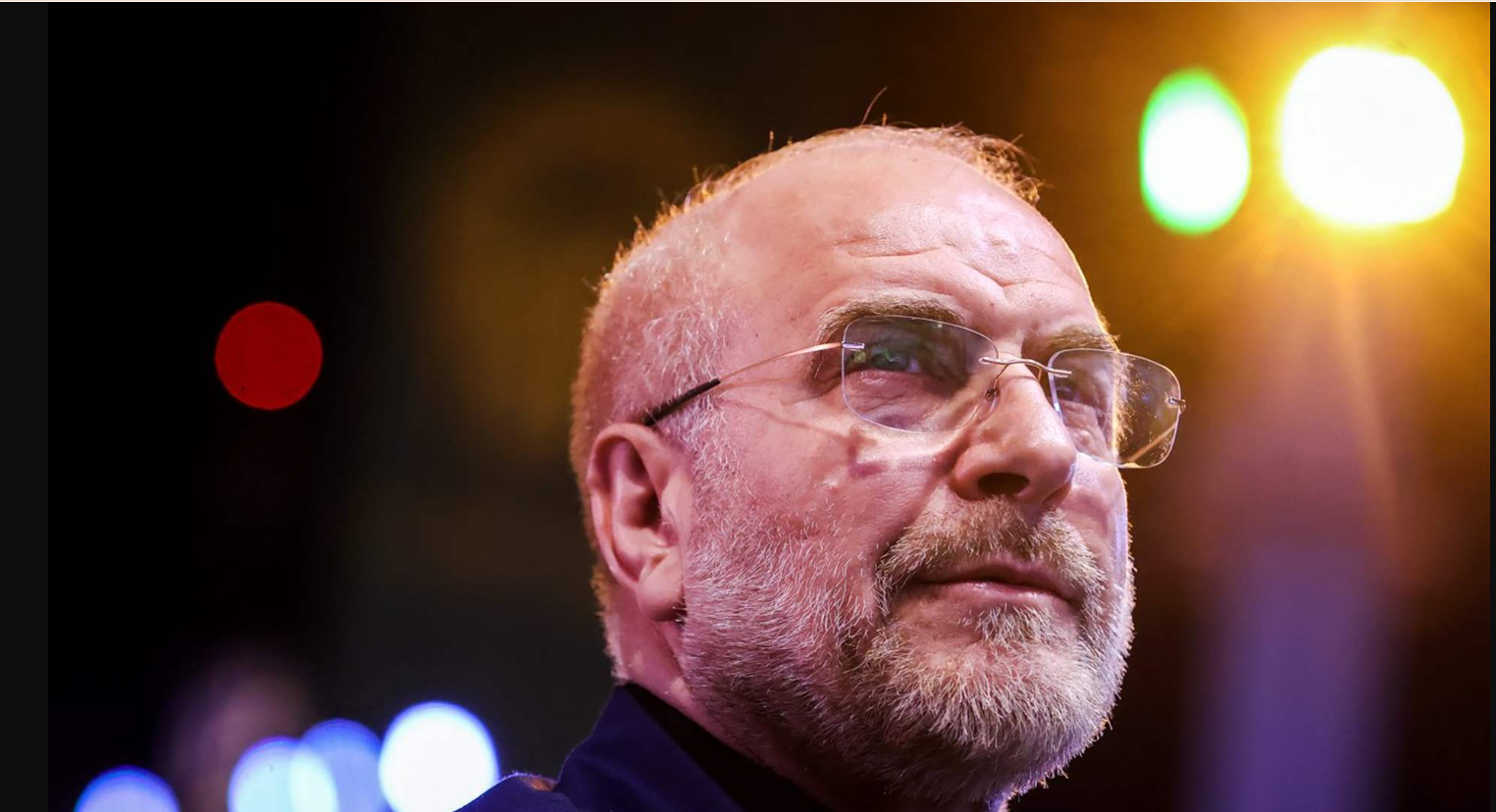

Iran’s chief negotiator has said that talks with the United States show progress, but major differences still block a final agreement. Mohammad Bagher Ghalibaf made the remarks while stressing that Tehran wants “sustainable peace” with strong guarantees. However, he warned that trust remains low and key issues are unresolved.
His comments come at a sensitive time. Diplomatic efforts continue, but both sides remain divided over nuclear concerns and regional security. In addition, tensions around the Strait of Hormuz remain a major sticking point in negotiations.
Tehran Sees Progress but Stresses Major Gaps
Ghalibaf said that recent discussions with the United States have improved mutual understanding. However, he clearly stated that a “big distance” still separates both sides. According to him, some technical and political areas have seen progress, but core disputes remain open.
He explained that Iran wants a “step-by-step” process. Under this approach, both sides would implement commitments gradually and in return. Moreover, he stressed that Iran expects balanced actions, not one-sided pressure.
The Iranian negotiator also said that Tehran is ready for sustainable peace. At the same time, he insisted that peace must come with guarantees. Without firm assurances, he warned, agreements cannot move forward.
Recent reports also confirm that Iran and the US remain far from a final deal, despite ongoing talks in mediated settings.
Iran Demands Guarantees Against Future Attacks
A major concern for Tehran is security after any agreement. Ghalibaf said Iran must receive guarantees that neither the United States nor Israel will launch future attacks. He described this as a central condition for any long-term deal.
He also accused Washington of maintaining a “dictate-based approach.” Therefore, he urged the US to adopt a more balanced negotiation style. In his view, sustainable peace requires mutual respect and clear commitments from both sides.
Additionally, he reiterated that Iran does not trust its adversaries. He warned that Iranian armed forces remain fully prepared for any scenario. As a result, military readiness continues alongside diplomatic efforts.
Recent statements indicate that Iran sees recurring cycles of war and ceasefire in the region. Officials argue that such patterns must end through binding guarantees and structured diplomacy.
Iran Links Talks to Regional Security and Hormuz Issue
Ghalibaf also pointed to wider regional tensions. He said unresolved disputes over the Strait of Hormuz continue to affect negotiations. This strategic waterway remains a key leverage point in discussions.
He added that Iran’s position is shaped by past conflicts and ongoing pressure. According to him, external threats have only strengthened Tehran’s resolve. Therefore, Iran insists that any agreement must ensure long-term stability.
At the same time, he claimed that recent battlefield developments have strengthened Iran’s position. He suggested that external pressure has not achieved its goals. However, these claims remain part of Iran’s political narrative in ongoing talks.
Despite strong rhetoric, diplomatic channels remain open. Mediators continue efforts to bridge the gap between both sides. Still, officials acknowledge that a final breakthrough remains distant.
Overall, Iran maintains that it is open to peace, but only under strict guarantees. Until then, negotiations are expected to continue with caution and deep mistrust on both sides.

