
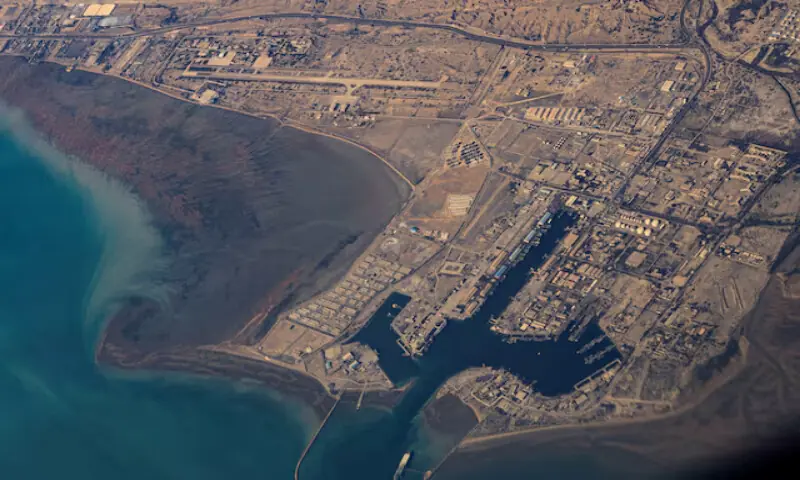

Iran has introduced a new diplomatic proposal to the United States. The plan focuses on reopening the Strait of Hormuz. It also suggests delaying sensitive nuclear negotiations. The move comes as tensions remain high and global markets face uncertainty.
According to a report by Axios, the proposal was shared through intermediaries. It reflects a shift in Iran’s approach. Tehran appears willing to separate urgent economic concerns from complex political issues.
Focus on De-Escalation and Energy Stability
Iran’s proposal prioritizes immediate de-escalation. The goal is to restore stability in global energy supply chains. The Strait of Hormuz is one of the world’s most critical shipping routes. A significant portion of global oil and gas passes through it.
The ongoing blockade has disrupted international trade. Energy prices have surged in recent weeks. Many economies are under pressure due to rising costs. Iran’s offer aims to address these urgent challenges first.
By reopening the waterway, Iran seeks to ease global fears. The move could help stabilize markets. It may also reduce political tensions in the region. Analysts believe this step is designed to build trust.
The proposal does not ignore deeper disputes. Instead, it delays them. Nuclear negotiations remain a key concern for Washington. However, Iran appears to prefer a phased approach.
Nuclear Talks Pushed to Later Stage
Under the plan, discussions about Iran’s nuclear program would come later. This marks a clear shift in negotiation strategy. Tehran wants to focus on short-term solutions before tackling long-term disagreements.
Sources familiar with the matter say the proposal was carefully structured. It separates security and economic priorities from nuclear issues. This could make initial talks easier. It may also create space for gradual progress.
The United States has not officially responded yet. However, the proposal is seen as a potential opening. It could restart stalled diplomatic efforts.
Experts suggest that delaying nuclear talks may reduce immediate friction. These negotiations are often complex and slow. By postponing them, both sides may find common ground on less controversial topics first.
Indirect Diplomacy Signals Possible Breakthrough
The proposal was delivered through backchannel communication. This indicates that dialogue is still active. Even without formal negotiations, both sides remain engaged.
Indirect diplomacy has played a key role in past agreements. It allows flexibility and reduces political pressure. Iran’s latest move fits this pattern.
The situation remains fragile. Trust between both sides is limited. However, the proposal signals willingness to negotiate. It also shows urgency in addressing economic disruptions.
Global attention is now focused on Washington’s response. If accepted, the plan could mark a turning point. It may lead to reduced tensions and improved economic stability.
For now, uncertainty continues. The future of both the Strait of Hormuz and nuclear talks depends on the next steps. Diplomatic efforts remain critical in shaping the outcome.

