
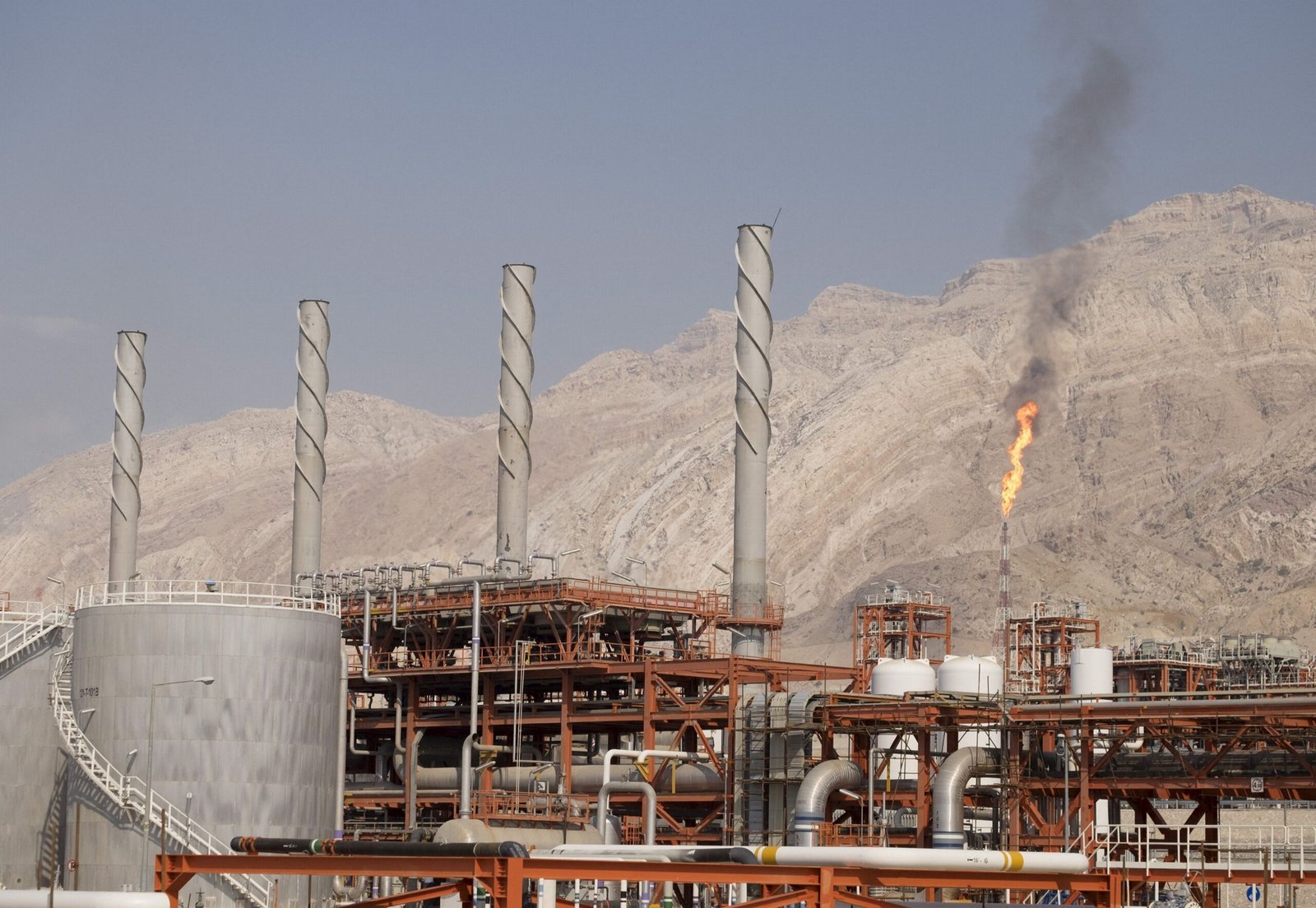

Warning grows over potential production halt
Iran could reach a critical breaking point within 10 to 14 days as its oil storage capacity approaches full levels, according to emerging assessments. Analysts warn that if storage tanks reach maximum capacity, the country may be forced to shut down oil wells, potentially triggering longer-term damage to production infrastructure.
Once production halts, experts caution that restarting operations becomes increasingly difficult and costly. Moreover, prolonged shutdowns could weaken Iran’s upstream energy sector and reduce its output capacity over time, further deepening economic strain.
In addition, the situation highlights growing vulnerabilities in Iran’s energy system, particularly under sustained external pressure. As storage constraints tighten, operational flexibility is expected to diminish rapidly.
Refining gaps deepen domestic risks
At the same time, Iran’s challenges extend beyond crude oil exports. Although the country remains a major oil producer, it lacks sufficient domestic refining capacity to meet internal demand for key fuels.
Consequently, Iran continues to depend on imports of gasoline and diesel to sustain transportation networks, industrial activity, and daily consumption needs. As external constraints intensify, this dependency creates an additional layer of economic pressure.
Furthermore, reduced export capacity combined with limited imports could lead to widening fuel shortages across the country. These shortages may disrupt transport systems, slow industrial output, and affect everyday life for citizens.
Overall, analysts suggest that the crisis reflects a narrowing economic window in which multiple pressures reinforce each other. As a result, Iran may face compounding consequences if production and import challenges persist simultaneously.

