
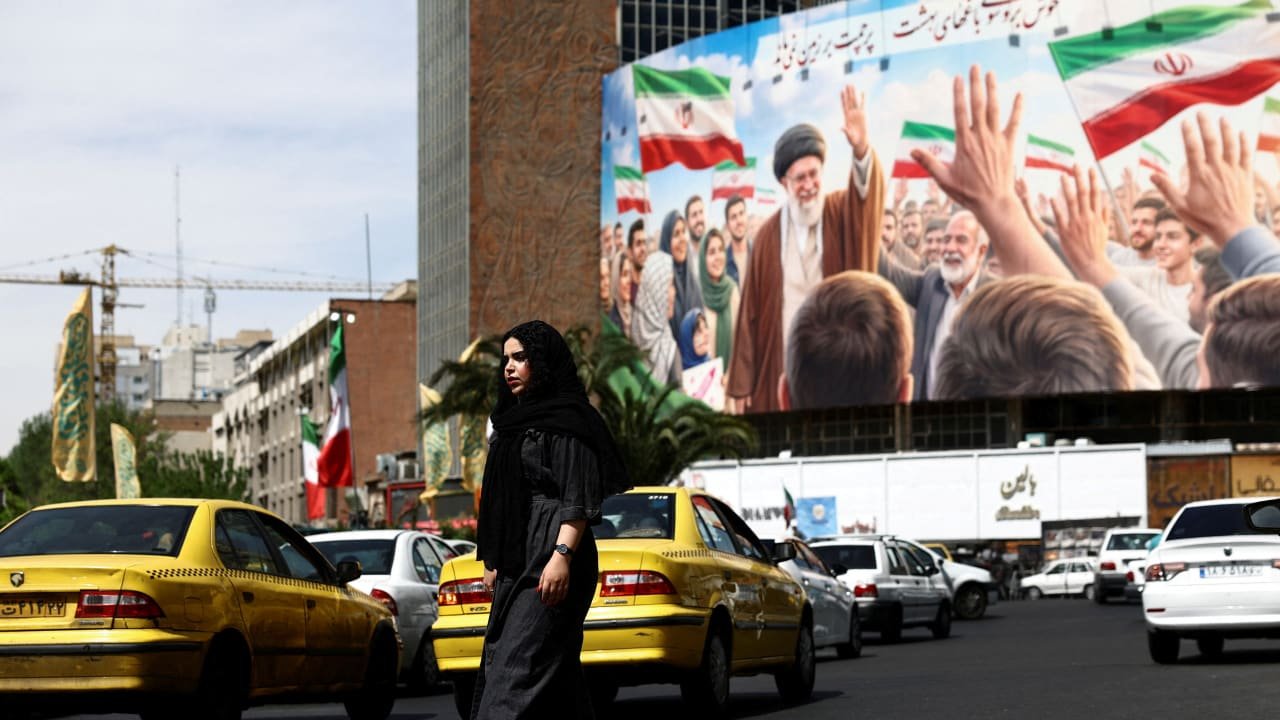

Life in Tehran appears to have resumed its usual rhythm, with busy streets and open cafés. However, economists warn that beneath this normalcy, Iran’s economy is under severe strain. Inflation has surged, the national currency has weakened sharply, and living costs have soared, placing immense pressure on households across the country.
Experts warn of inflation and currency collapse
According to analysts, the Iranian rial continues to lose value as citizens rush to convert it into more stable assets. Amos Nadan described the situation as extreme, noting that inflation had already reached around 70% even before recent conflict escalations. As a result, purchasing power has declined dramatically.
Although the minimum monthly wage now exceeds 160 million rials, its real value stands at just over $100. Consequently, everyday essentials have become increasingly unaffordable. For example, basic meals now cost several million rials, reflecting the widening gap between wages and expenses. Meanwhile, reports indicate that economic hardship has pushed vulnerable populations toward severe coping measures.
Sanctions and conflict worsen structural challenges
Experts emphasize that Iran’s economic troubles predate recent military tensions but have intensified due to sanctions and disruptions. Eyal Hashkes warned that further currency depreciation may occur as normal economic activity resumes. In addition, prolonged internet restrictions have disrupted trade and financial transactions, costing millions daily.
Moreover, reduced oil exports—particularly through the Strait of Hormuz—have strained government revenues. Analysts caution that storage limits could soon force production cuts, potentially causing long-term damage to oil infrastructure.
As pressures mount, experts argue that lifting sanctions remains essential for recovery. Without external investment, they say, Iran faces prolonged economic stagnation and rising social instability.

