

OPEC+ ministers met on Sunday as soaring oil prices dominated global energy concerns. However, analysts believe the group has limited ability to influence the market. The alliance held its quarterly meeting online with representatives from 21 member countries. The talks focused on production levels amid ongoing supply disruptions.
Oil prices have surged sharply since the Iran conflict disrupted Gulf energy shipments. Consequently, inflation concerns have intensified across major economies. Analysts expect OPEC+ to approve another production increase. The proposed adjustment could add around 188,000 barrels per day to global supply.
However, only a handful of members possess enough spare capacity. These countries include Saudi Arabia, Russia, Iraq, Kuwait, Kazakhstan, Algeria, and Oman.
Strait of Hormuz Disruption Impacts Global Supply
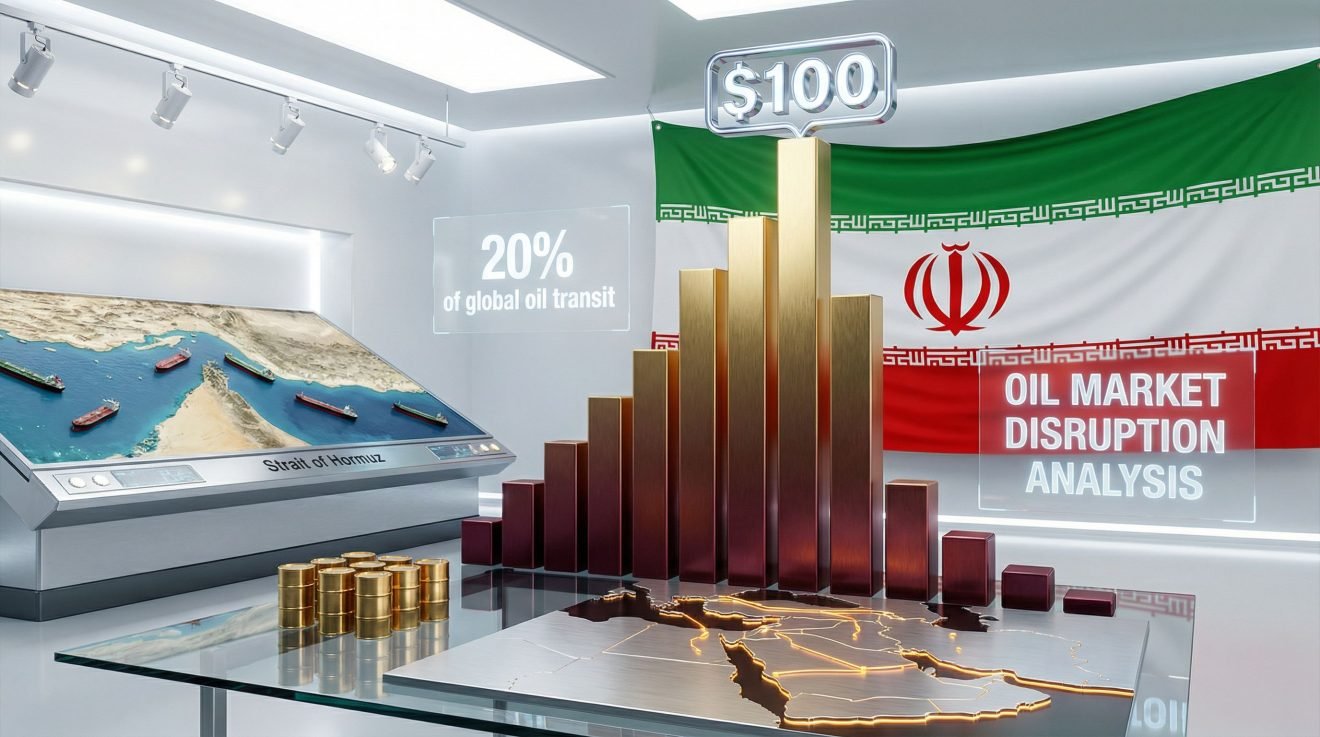
The conflict has severely affected traffic through the Strait of Hormuz. Normally, the waterway handles nearly one-fifth of global oil and gas supplies. As a result, around 20 million barrels per day remain affected. Tankers continue facing difficulties moving through the region.
Tehran’s threats of retaliation have increased uncertainty in energy markets. Meanwhile, concerns over further escalation continue supporting higher oil prices. Analysts say production increases alone cannot offset the disruption. Therefore, traders remain focused on geopolitical developments rather than output targets.
Analysts See Limited Impact from Production Hikes
Energy experts believe OPEC+ faces significant challenges under current conditions. Even larger production quotas may not reach international markets efficiently. According to industry estimates, OPEC+ production has fallen considerably. Daily output reportedly dropped from nearly 43 million barrels before the conflict.
Current production stands near 33 million barrels per day. Moreover, analysts suggest actual exports could be even lower. Market observers expect oil prices to remain volatile. Consequently, geopolitical risks will likely continue driving energy market trends.
The outcome of the conflict remains the most important factor. Therefore, OPEC+ decisions may have only a limited short-term impact.

