
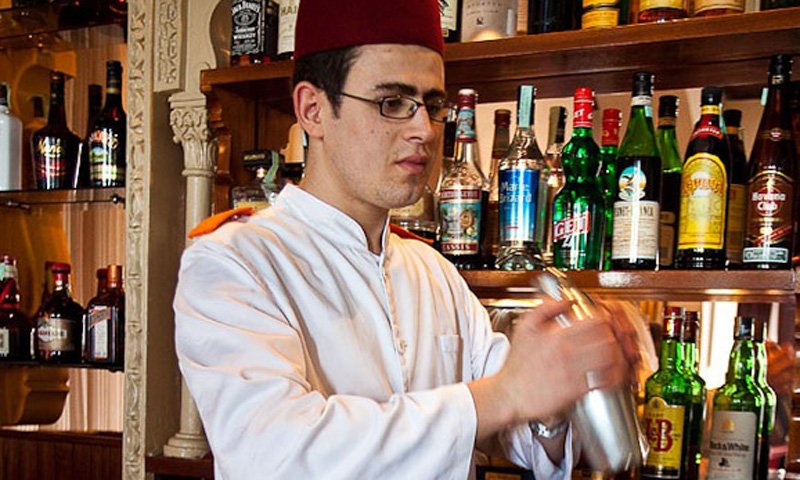

Despite strict legal restrictions, liquor sales continue across Pakistan, raising questions about regulatory enforcement, licensing practices and the actual sources of demand.
Under the country’s legal framework, alcohol production and sales are permitted through specific licences and conditions. Muslim citizens are prohibited from consuming alcohol, while non-Muslim citizens can purchase it under prescribed regulations.
However, concerns have emerged over whether licensed supplies reach people who are not legally authorised to buy them.
Hundreds of Liquor Shops Reported in Sindh
According to figures cited in a recent report, Sindh has approximately 150 liquor shops. Nearly 70 of these reportedly operate in Karachi.
Licences for liquor sales fall under relevant provisions of the Prohibition (Enforcement of Hadd) Order, 1979. The law also prescribes penalties for prohibited alcohol consumption.
The legal position has faced challenges in court. A 2017 Sindh High Court judgment imposed a ban on alcohol sales. However, a three-member Supreme Court bench later overturned the decision, allowing licensed sales to continue.
Minority Representatives Raise Concerns
Representatives of religious minority communities have questioned the use of minority identities in the licensing system.
Atam Prakash, chairman of the Minorities Committee of the Federation of Pakistan Chambers of Commerce and Industry, and Saleem Michael of the Christian Helpline raised concerns over the practice.
They argued that minority communities should not become a justification for supplying alcohol to unauthorised consumers.
The representatives also alleged that some influential individuals and politicians had obtained liquor licences using the names of non-Muslim employees. These allegations have not been independently verified.
Revenue Growth Raises Further Questions
Figures cited in the report show that Sindh’s revenue from duties on alcohol sales increased by 55 percent in 2022 compared with 2021. The Sindh Excise and Taxation Department also maintains records of licensed wholesalers, retail wine shops and agents involved in importing and distributing foreign liquor.
The continued availability of alcohol has renewed debate over licence verification and distribution monitoring. Questions remain about whether existing controls effectively prevent illegal sales and misuse of licences.
For the latest updates, visit and follow The Truth International website (www.thetruthinternational.com) and subscribe to the YouTube Channel.

