
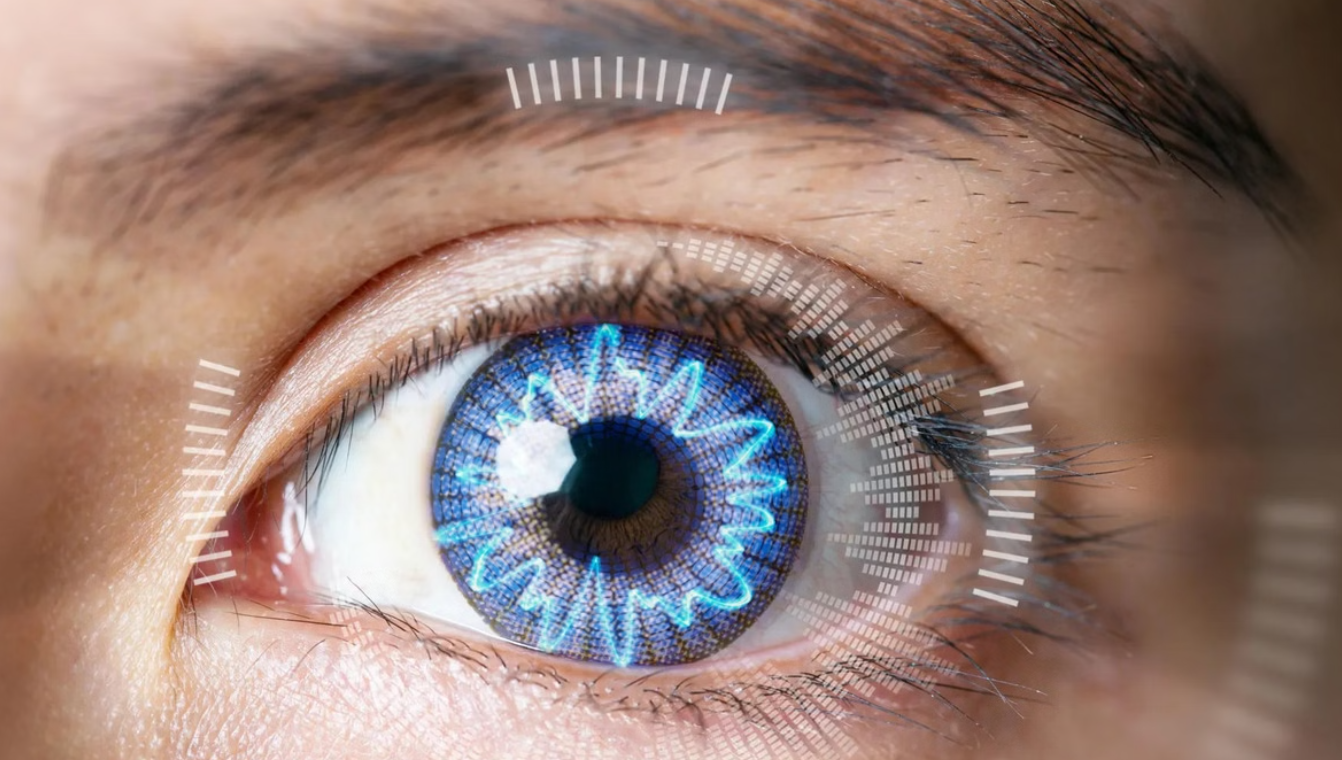

Scientists are making significant progress on a wireless brain implant that could help some blind individuals regain limited visual perception by bypassing the eyes entirely.
The system is designed to send camera-captured information directly to the brain, allowing users to perceive basic visual patterns even when their eyes or optic nerves no longer function.
Moreover, the technology is being developed specifically for people with profound blindness who cannot benefit from traditional eye-based treatments.
How the Intracortical Visual Prosthesis Works
The device, known as the Intracortical Visual Prosthesis, works by bypassing the retina and optic nerves and directly stimulating the visual cortex, which is responsible for processing sight in the brain.
A small external camera captures real-world images, and the visual data is then processed and transmitted wirelessly to implanted stimulation modules inside the brain.
These modules activate specific areas of the visual cortex using electrical signals, which the brain interprets as simple patterns of light rather than full, detailed images.
As a result, users do not regain normal vision but instead experience a form of artificial sight made up of shapes, light points, and movement cues.
Third Patient Successfully Receives Implant
The system has now reached an important milestone after being implanted in a third human participant during surgery at a leading medical center in Illinois.
The implant used in this latest case includes 34 wireless stimulators and a total of 544 electrodes designed to deliver precise visual signals to the brain.
After a four-week recovery period, the participant will begin testing at a specialized research facility focused on prosthetic vision studies.
Researchers will evaluate whether the implant can help individuals move through environments and complete basic visually guided tasks.
Why This Technology Is Important
This brain-based vision system is especially important for people who have lost complete vision due to damage to the eyes or optic nerves.
In many cases, the visual cortex in the brain remains functional even when the eyes can no longer transmit signals.
Therefore, by bypassing damaged eye structures, the implant provides a potential alternative pathway for visual information to reach the brain.
Moreover, early research suggests that participants may eventually improve their ability to navigate spaces and recognize simple objects using artificial signals.
Experimental Stage and Ongoing Research
Although the results are promising, scientists emphasize that the technology remains experimental and is still undergoing clinical testing.
The system does not restore natural eyesight and is not considered a cure for blindness. Instead, it is designed to provide limited functional vision for basic tasks.
Furthermore, the research is being conducted through collaboration between multiple institutions, including universities, medical centers, and specialized engineering teams.
The project is also recruiting additional volunteers, particularly individuals who lost vision later in life after having previously developed normal eyesight.
Global Efforts in Brain-Based Vision Systems
Similar technologies are also being developed internationally, including other visual cortex implant systems that aim to restore functional vision using a combination of cameras and brain stimulation.
Some projects have received regulatory recognition for their potential in treating severe blindness, highlighting growing global interest in brain-computer interface solutions.
Moreover, researchers believe that continued development in this field could eventually lead to more advanced and practical vision restoration systems.
Conclusion
The intracortical visual prosthesis represents a major step forward in experimental neuroscience and medical technology, offering hope for individuals with severe blindness.
While it does not restore full vision, it demonstrates how brain implants and camera-based systems may one day provide meaningful visual perception to those who currently have none.

