
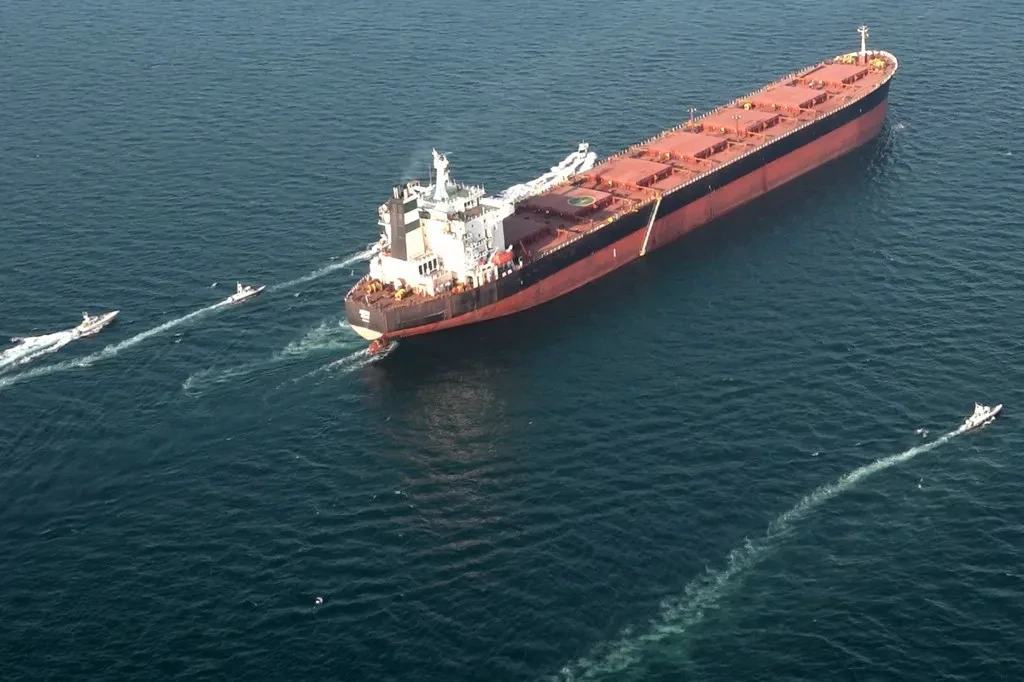

Shipping traffic through the Strait of Hormuz dropped sharply to six vessels on Monday, according to shipping data, as hopes for a US-Iran peace deal continued to fade.
The latest figure marks a notable decline from the 10-day average of around 11 vessels, highlighting the reduced movement through the strategic waterway amid uncertainty surrounding negotiations between Washington and Tehran.
Only Six Vessels Cross Strait
According to Kpler data available on Tuesday at 0420 GMT, four commodity vessels entered the Strait of Hormuz on Monday.
The vessels included two empty oil product tankers, while the remaining vessels were also classified as commodity carriers.
Meanwhile, only two vessels exited the waterway during the same period, according to the shipping data.
One of the vessels was a small tanker carrying liquefied petroleum gas, while the other was transporting residual fuels.
Shipping Activity Remains Under Pressure
The decline in vessel movements comes as expectations for a peace agreement between the United States and Iran have weakened.
The Strait of Hormuz remains a key route for maritime shipping, making changes in vessel traffic an important indicator of movement through the waterway.
However, Monday’s figure remained well below the reported 10-day average of approximately 11 vessels.
The latest data showed that the waterway recorded four inbound commodity vessels and two outbound vessels during the reported period.
The limited movement reflects the cautious shipping activity currently observed through the Strait, while uncertainty surrounding the US-Iran situation continues.
For now, shipping data indicates that traffic through the waterway remains subdued, with only six vessels recorded on Monday.
The situation could continue to draw attention as developments surrounding the US-Iran peace efforts shape expectations for shipping activity through the strategic Strait of Hormuz.

