
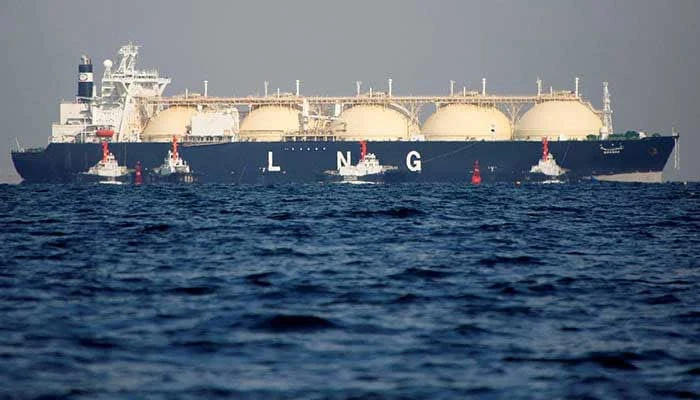

The federal government issued an emergency international tender for a liquefied natural gas (LNG) cargo. The new cargo must arrive on July 15 or 16. This move came after a Qatari shipment turned back mid-journey. Fresh hostilities in the Strait of Hormuz forced the ship to abort its transit.
Shipping traffic through the vital waterway has stopped completely. The United States launched military strikes against Iran for a second consecutive day. These strikes followed Iranian attacks on commercial vessels, including a gas tanker.
Escalating Gulf Conflict Blocks Fuel Supply Lines
Pakistan LNG issued the urgent tender on Thursday. The federal government approved the emergency measure on Wednesday. The country needs to replace the canceled Qatari supplies immediately.
Pakistan relies heavily on Qatar for its domestic gas needs. Long-term, fixed contracts bind the two nations together. However, the wider Middle East conflict has exposed Pakistan to severe energy shortages.
To prevent a major gas shortfall, Islamabad aggressively entered the expensive spot market. The state bought two emergency shipments over the past two weeks. One cargo came from TotalEnergies SE for delivery on July 10-11. That specific purchase cost Pakistan a steep $17.37 per million British thermal units ($/mmBtu$).
Crisis Cell Monitors Volatile Energy Markets
National energy security remains under immense pressure. In March, regional energy markets panicked after attacks hit QatarEnergy’s Ras Laffan facilities. QatarEnergy subsequently declared force majeure. This declaration forced Islamabad to balance high spot-market costs against grid safety.
Government officials state that protecting fuel inventories is their absolute priority. The National Crisis Management Cell (NCMC) remains on high alert. The cell actively tracks volatile energy markets to help officials make fast procurement decisions. This continuous monitoring protects local industries and power plants from fuel depletion.

