
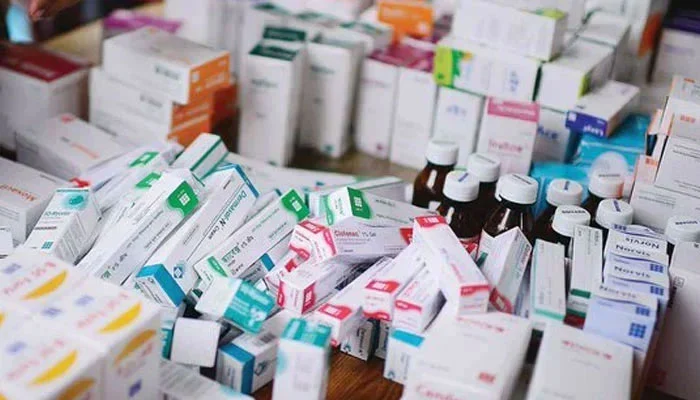

Pakistan has taken a major step to address a worsening healthcare crisis. The government has approved price fixation for 35 essential and life-saving medicines. The decision is aimed at restoring supply and reducing treatment gaps across the country.
Officials say another 45 medicines are expected to receive approval soon. The move comes after months of shortages that left many patients struggling to access critical treatments.
The decision has been described as urgent and necessary. It targets long-standing delays that disrupted pharmaceutical supply chains and affected hospitals nationwide.
Government Moves to Restore Critical Medicine Supply
The approval was finalized by the federal government after detailed review. The goal is to ensure uninterrupted availability of essential drugs.
A senior official confirmed that the issue was raised at the highest level. Federal Health Minister Syed Mustafa Kamal briefed Prime Minister Shehbaz Sharif on the urgency of the situation.
Authorities said the delay in price approvals had created severe shortages. Many pharmaceutical companies had slowed or stopped production. This was due to uncertainty over pricing policies.
The government had previously avoided approval due to concerns over inflation perception. Officials feared price adjustments would be seen as increases. This led to a policy freeze that lasted nearly two years.
Critical Treatments Affected Across Major Diseases
The shortage impacted a wide range of essential medicines. These include treatments for cancer, heart disease, infections, and chronic conditions.
Drugs used in oncology and transplant care were among the most affected. Cardiovascular medicines also faced limited availability. Patients requiring continuous treatment were most at risk.
Vaccines for diseases such as typhoid, polio, and pneumococcal infections were also included in the list. Experts warned that delays in these areas could affect public health programs.
Other critical medicines included recombinant human coagulation factor VIII. This is essential for haemophilia patients. Human rabies immunoglobulin was also affected.
A diabetes treatment, semaglutide, was among the medicines facing supply issues.
Patients Turned to Unsafe Alternatives Amid Shortages
The prolonged shortage created serious challenges for patients. Many were unable to access prescribed medicines through official channels.
In several cases, patients turned to informal markets. These sources often lacked regulation and quality control. Health experts raised concerns about safety and effectiveness.
Hospitals also reported difficulties in maintaining treatment schedules. Doctors were forced to adjust prescriptions or delay procedures.
Officials say the new pricing approvals will help stabilize supply. They believe manufacturers will resume production once pricing clarity is restored.
Policy Shift Aimed at Preventing Future Drug Crises
The government has acknowledged the need for faster decision-making. Authorities say delays in pricing approvals should not happen again.
The latest move is expected to improve medicine availability across the country. It also aims to rebuild confidence in the pharmaceutical supply system.
Health experts have welcomed the decision but stress continued monitoring. They say consistent policy implementation will be key to preventing future shortages.
As additional approvals are expected soon, the healthcare system may see gradual relief. However, full stabilization will depend on how quickly production resumes.
The decision marks a critical turning point for Pakistan’s healthcare supply chain.

