
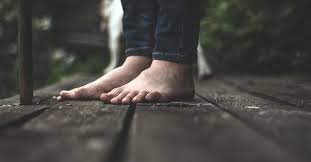

Barefoot walking is gaining renewed attention as a simple but powerful wellness practice. Health experts say it may offer several physical and mental benefits when done correctly. However, they also warn that safety precautions are essential to avoid injury and infection.
For centuries, humans lived and moved without shoes. Today, the practice has become less common. Still, some people are returning to barefoot walking as part of natural lifestyle routines and fitness habits.
The growing interest has prompted medical professionals to examine its potential effects on the body.
How Barefoot Walking May Support Full-Body Health
Immunology and wellness specialists suggest that barefoot walking may stimulate the body in unique ways. They explain that the feet contain nerve endings connected to various organs.
When the soles of the feet are exposed to natural surfaces, these points may be activated. This stimulation is believed to support overall physical balance and wellbeing.
Walking barefoot on natural ground such as grass, soil, or uneven surfaces may improve sensory response. Experts say this can enhance body awareness and movement coordination.
Soft or damp grass is often recommended as a starting surface. It may help reduce stress and promote relaxation. This is especially beneficial for children and older adults.
In children, barefoot walking may support healthy foot development. It may also help reduce the risk of flat feet. In older adults, it may improve stability and mobility when practiced regularly.
Mental Relaxation and Stress Relief Benefits
Barefoot walking is also linked to mental wellness. Many people report feeling calmer after walking without shoes on natural ground.
Experts believe the connection with nature may help reduce stress levels. The simple act of walking barefoot may encourage mindfulness and relaxation.
Some wellness practitioners describe it as a grounding activity. It may help individuals feel more connected to their environment.
Even short sessions can be beneficial. Doctors suggest starting with 15 to 20 minutes per day. Gradual practice allows the body to adjust safely.
Safety Risks and Medical Precautions to Consider
Despite its benefits, barefoot walking is not suitable for all environments. Health professionals caution that improper practice may lead to injury or infection.
Rough surfaces, sharp objects, and contaminated areas can pose risks. Bacteria or fungi may enter through small cuts or abrasions on the feet.
Medical guidance is especially important for individuals with underlying health conditions. People with diabetes are advised to take extra care due to slower wound healing.
Experts recommend choosing clean, natural, and safe surfaces. Parks, gardens, and soft grass areas are considered ideal starting points.
Doctors also advise checking the ground before walking barefoot. This helps reduce the risk of stepping on harmful objects.
Balanced Approach Recommended for Safe Practice
Health experts emphasize moderation and awareness. Barefoot walking should not replace proper foot protection in unsafe environments.
Instead, it can be incorporated as a short daily wellness activity. When done correctly, it may contribute to both physical and mental health.
The key is gradual practice and safe conditions. Starting slowly helps the body adapt while minimizing risk.
Barefoot walking continues to attract attention as a simple, natural health habit. With proper precautions, it may offer meaningful benefits for overall wellbeing.

