

Economic pressures, rising energy costs and weak industrial growth continue to strain Europe’s largest economy
BERLIN: Germany recorded its highest number of corporate insolvencies in more than 20 years during the second quarter of 2026, highlighting the persistent economic challenges facing Europe’s largest economy.
According to the Halle Institute for Economic Research (IWH), 4,996 companies filed for insolvency between April and June, representing a 9 percent increase from the previous quarter and marking the highest second-quarter total since 2005. The wave of bankruptcies affected nearly every major sector, including construction, real estate, retail, hospitality and services, placing an estimated 45,500 jobs at risk.
In June alone, 1,702 businesses entered insolvency proceedings, up 20 percent compared with the same month last year and roughly 80 percent above the average recorded before the COVID-19 pandemic. Researchers described the trend as evidence of continuing financial pressure across Germany’s business landscape.
Steffen Müller, head of insolvency research at IWH, said company failures remain at an exceptionally high level and continue affecting industries and regions simultaneously. He added that the institute expects insolvencies to remain above last year’s figures throughout the third quarter.
Energy costs continue weighing on industry
Germany’s economy has struggled with elevated energy prices since reducing dependence on Russian oil and gas following the escalation of the Ukraine conflict in 2022. More recently, higher global crude oil prices linked to the US-Israel conflict with Iran have added further pressure on businesses and manufacturers.
The German economy contracted during both 2023 and 2024, marking its first consecutive annual decline in more than two decades. Current projections indicate modest economic growth of only 0.5 percent in 2026.
Manufacturing sector faces mounting pressure
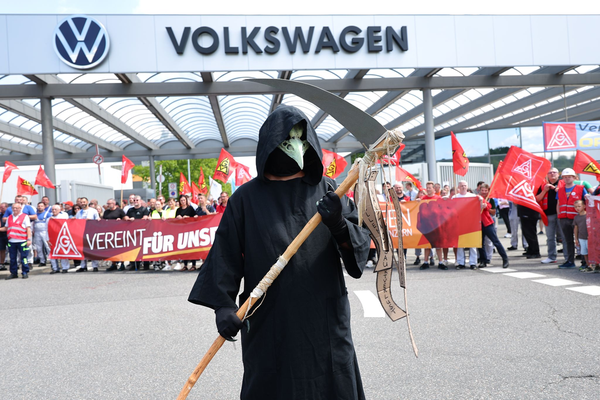
The country’s manufacturing industry, particularly the automotive sector, continues experiencing significant challenges. Volkswagen employees staged protests as the company advanced a restructuring programme that could reportedly eliminate up to 100,000 jobs and result in factory closures across Germany.
Economists warn that unless economic conditions improve and industrial demand strengthens, corporate failures could remain elevated, placing additional pressure on employment, investment and long-term economic recovery.

