
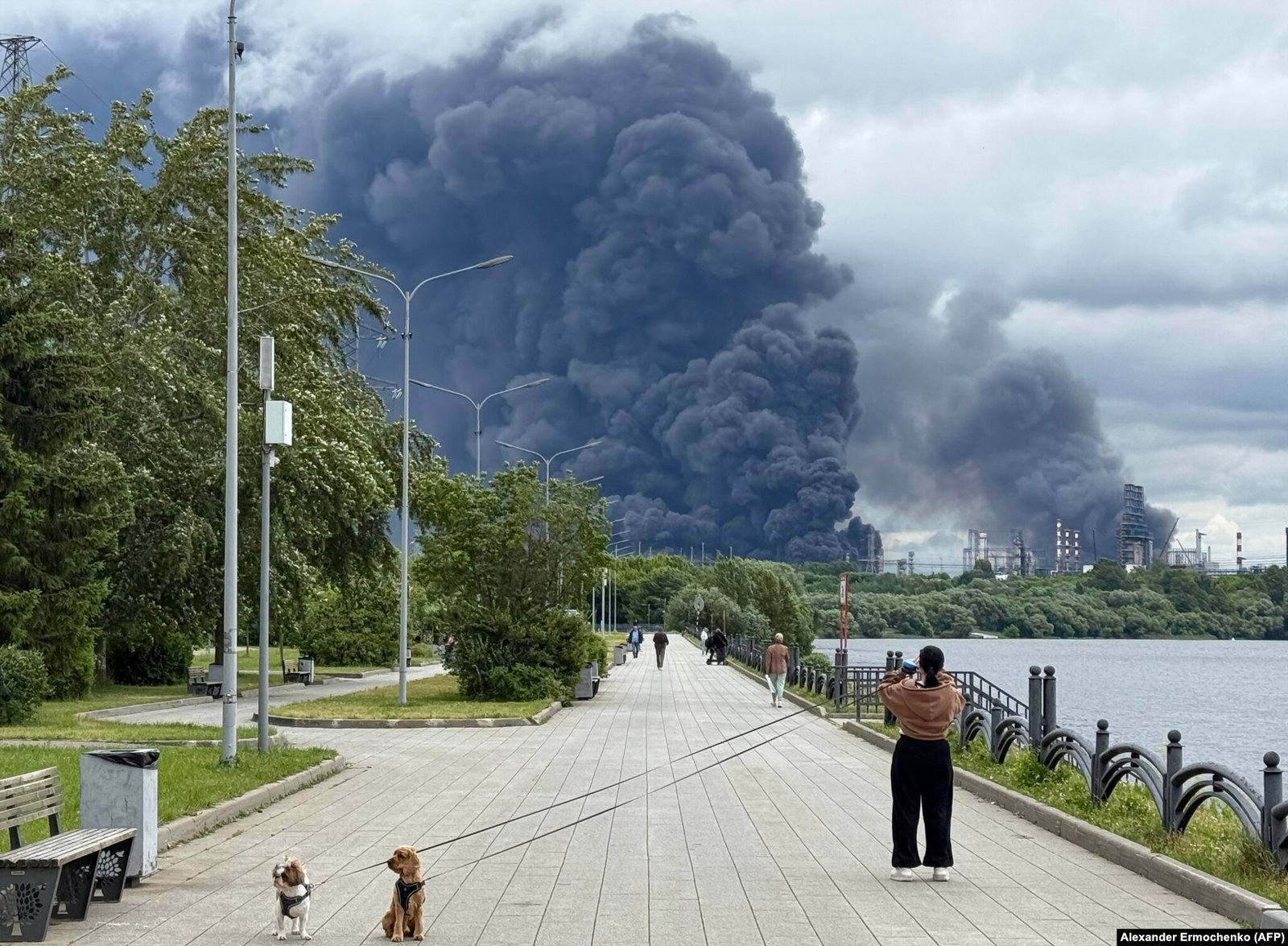

Fuel shortages spread across Russia after Ukrainian attacks disrupted key supply routes. Consequently, motorists now face fuel restrictions in several regions. The shortages have expanded from Crimea to southern Russia and Moscow. However, authorities continue efforts to stabilize supplies.
Residents reported growing queues and temporary station closures across affected areas. Meanwhile, officials imposed purchase limits in most regions. Russian-occupied areas of Ukraine, southern Russia, and Siberia face the toughest restrictions.
Supply Disruptions Affect Multiple Russian Regions
Russian President Vladimir Putin acknowledged the shortages during a government meeting on Sunday. He said Ukrainian drone strikes caused supply disruptions. However, he insisted authorities were addressing the situation.
Ukraine has intensified attacks on supply lines in Crimea in recent weeks. Kyiv says the campaign targets Russia’s military logistics. As a result, local authorities suspended fuel sales to private motorists. They also reduced operating hours for public transport and businesses.
On Monday, authorities resumed limited fuel sales in Sevastopol. Consequently, motorists formed long queues to buy gasoline. Prices reached 189 roubles per litre, nearly triple normal levels.
Moscow Also Experiences Fuel Supply Pressure
The shortages have also reached Rostov-on-Don near the Ukrainian border. Several petrol stations displayed “no fuel” notices. Others temporarily suspended fuel sales.
A courier named Vladimir failed to refuel his motorbike. Therefore, he said he stopped working because fuel remained unavailable.
Meanwhile, Moscow has experienced fewer disruptions despite recent refinery damage. State-run filling stations largely maintained stable prices. However, queues formed at several locations across the capital.
Private filling stations raised prices by more than 10 percent. Fuel prices climbed to around 80 roubles per litre as demand increased.

