
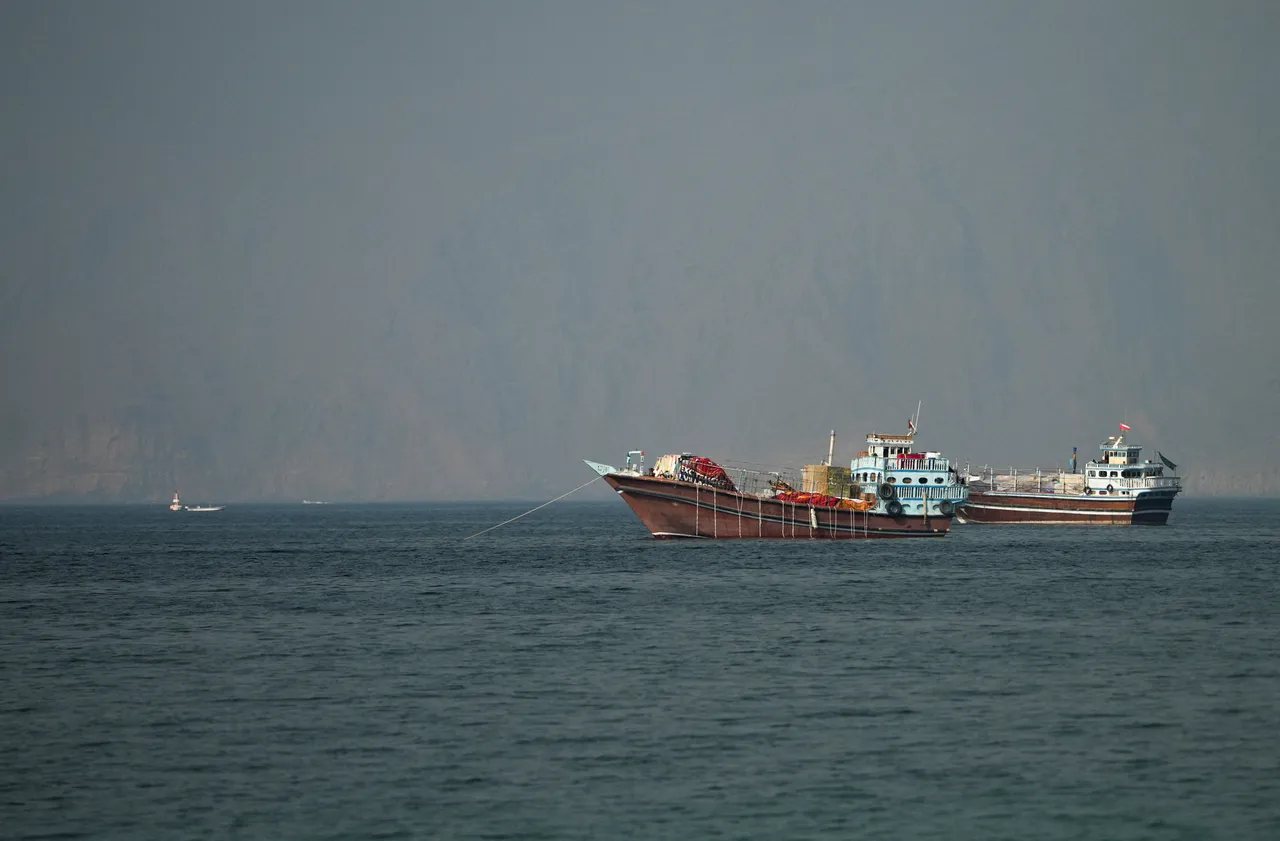

Commercial shipping remains cautious while Tehran and Muscat discuss future management of the strategic waterway
Commercial shipping through the Strait of Hormuz continued at a slower pace after fresh attacks on two vessels renewed security concerns, while Iran and Oman opened discussions on the future management of the critical maritime corridor.
Although several ships successfully transited the strait over the weekend, maritime tracking data showed that many operators remained cautious following recent incidents involving the Singapore-registered container ship Ever Lovely and the Panama-flagged tanker M/T Kiku.
Singapore’s Maritime and Port Authority confirmed that Ever Lovely sustained minor bridge damage after being struck by an unidentified projectile while exiting the strait. The vessel completed its voyage safely, and all 21 crew members remained unharmed.
Meanwhile, the US Central Command said Iranian forces targeted M/T Kiku with a one-way attack drone near the Strait of Hormuz while it was carrying more than two million barrels of crude oil. CENTCOM said it later conducted retaliatory strikes against Iranian targets.
Shipping activity remains uneven
Despite heightened tensions, shipping traffic continued through the waterway. Maritime tracking platform Windward reported that 40 vessels transited the strait on June 27, including 24 inbound and 16 outbound ships. Several empty very large crude carriers also entered the Gulf to prepare for future oil exports.
However, the Joint Maritime Information Center raised the security threat level for the Strait of Hormuz to “substantial,” warning shipping companies about potential risks from naval activity and possible mines.
Iran and Oman discuss future framework
Separately, Iranian Deputy Foreign Minister Kazem Gharibabadi announced that Iran and Oman held the first meeting of a joint committee in Muscat to discuss issues related to the Strait of Hormuz and its future management.
According to Gharibabadi, both sides reviewed current maritime challenges and exchanged views on future arrangements under Article 5 of the Islamabad Memorandum of Understanding while emphasizing the rights of coastal states.
Meanwhile, diplomatic efforts continue, with reports indicating that US and Iranian officials are expected to hold further discussions in Doha aimed at reducing tensions and ensuring the continued flow of international shipping through the strategic waterway.

