
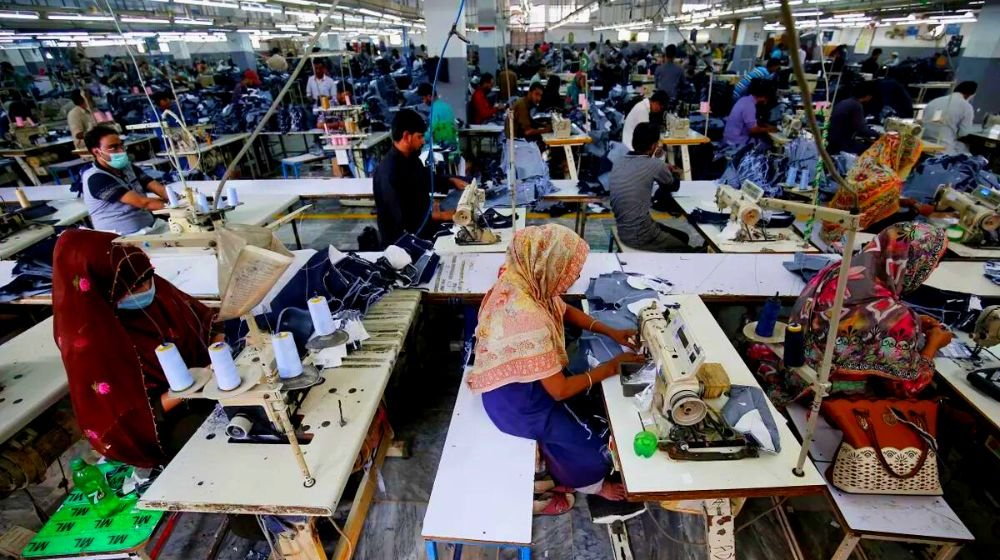

The Federation of Pakistan Chambers of Commerce and Industry (FPCCI) has strongly opposed the State Bank of Pakistan decision to raise the policy rate by 1 percent. Business leaders warned that the move could trigger industrial closures, weaken exports, and slow economic recovery.
Business leaders warn of growth setback
FPCCI President Atif Ikram Sheikh criticized the hike, calling it ill-timed as Pakistan’s economy was showing early signs of stabilization. Moreover, he argued that continued monetary tightening undermines efforts to revive industry, expand exports, and create jobs.
In addition, he said high borrowing costs make Pakistani goods less competitive in regional and global markets. He stressed that businesses had already shared data with policymakers showing that industries struggle to survive under elevated interest rates, especially when neighboring economies offer cheaper financing.
Furthermore, FPCCI leaders highlighted that inflation in Pakistan is driven mainly by energy prices and supply chain issues rather than demand pressures. As a result, they argued that higher interest rates will not address core inflation drivers but will instead raise production costs.
Impact on small businesses and industry
Meanwhile, Senior Vice President Saquib Fayyaz Magoon warned that small and medium enterprises face the greatest risk. He noted that rising financing costs could restrict access to credit, limit expansion, and increase default risks.
Additionally, Vice President Abdul Mohamin Khan said industries in Sindh are already operating below capacity. He cautioned that further financial pressure could lead to layoffs, reduced production, and cancelled orders.
Consequently, business leaders urged the government and central bank to reconsider monetary policy direction. They called for lower energy costs, reduced borrowing rates, and broader tax reforms to support sustainable growth.
Overall, the FPCCI argued that current policies risk reversing economic gains and accelerating deindustrialization.

