
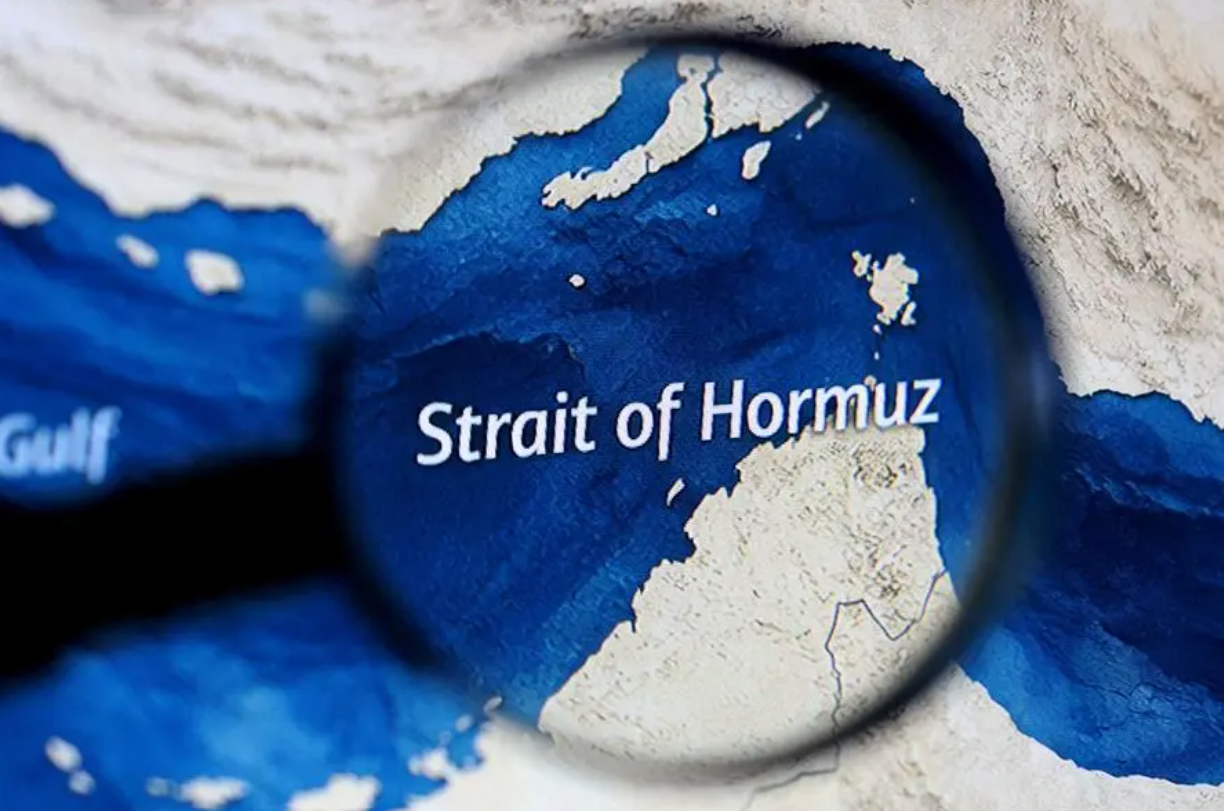

Five liquefied natural gas vessels from Qatar are approaching the Strait of Hormuz. This development signals a possible recovery in global energy transport routes. Ship-tracking data confirmed the movement on Saturday.
The vessels departed from Ras Laffan, Qatar’s main LNG export hub. Their approach marks a critical moment for global energy markets. If they cross successfully, it will be the first LNG transit since the conflict began on February 28.
Strait Reopens After Regional De-escalation
Iran reopened the Strait of Hormuz on Friday. This decision followed a ceasefire agreement involving regional actors. As a result, shipping activity has started to resume cautiously.
Before the conflict, the strait handled a significant portion of global LNG trade. Therefore, its reopening carries major implications for energy security. Additionally, a convoy of oil tankers was already seen passing through on Saturday.
Details of the LNG Fleet and Destinations
The five LNG carriers include Al Ghashamiya, Lebrethah, Fuwairit, Rasheeda, and Disha. Data shows that all vessels are heading eastward toward the strategic waterway.
Four of these tankers operate under QatarEnergy. Meanwhile, the vessel Disha is chartered by India’s Petronet. This mix highlights the strong link between Gulf exports and Asian energy demand.
“Currently, we see five laden vessels approaching the Strait of Hormuz. All five vessels loaded from Qatar’s Ras Laffan plant. Of the five, two are destined for Pakistan, two likely destined for India and one with no clear destination,” said Laura Page, manager of LNG Insight at Kpler.
Energy Activity Signals Gradual Recovery
Recent vessel movements suggest that LNG production is slowly resuming. Flaring data indicates that multiple processing units at Ras Laffan have restarted operations. This step reflects cautious optimism within the energy sector.
“In addition, two ballast Adnoc vessels enter the Gulf of Oman and moor outside Fujairah. The vessel movements align with flaring data, which suggests multiple trains at Ras Laffan’s north site have restarted, as well as the UAE’s Das Island plant,” she added.
Consequently, both Qatar and the United Arab Emirates appear to be restoring production capacity. However, the situation remains fragile due to recent disruptions.
Impact of Conflict on Qatar’s LNG Capacity
The conflict significantly affected Qatar’s LNG export infrastructure. Iranian attacks damaged key facilities and reduced output capacity. As a result, around 17 percent of export capability has been disrupted.
Repairs are expected to take several years to complete. Estimates suggest that 12.8 million metric tons per year could remain offline. Therefore, global supply chains may face continued pressure.
Global Energy Markets Watch Closely
Qatar remains one of the world’s leading LNG exporters. Its shipments mainly supply Asian markets, including Pakistan and India. Any disruption in this flow directly impacts regional energy stability.
Now, the movement of these vessels offers a sign of cautious recovery. However, markets continue to monitor developments closely. Stability in the Strait of Hormuz remains essential for consistent global energy supply.

