
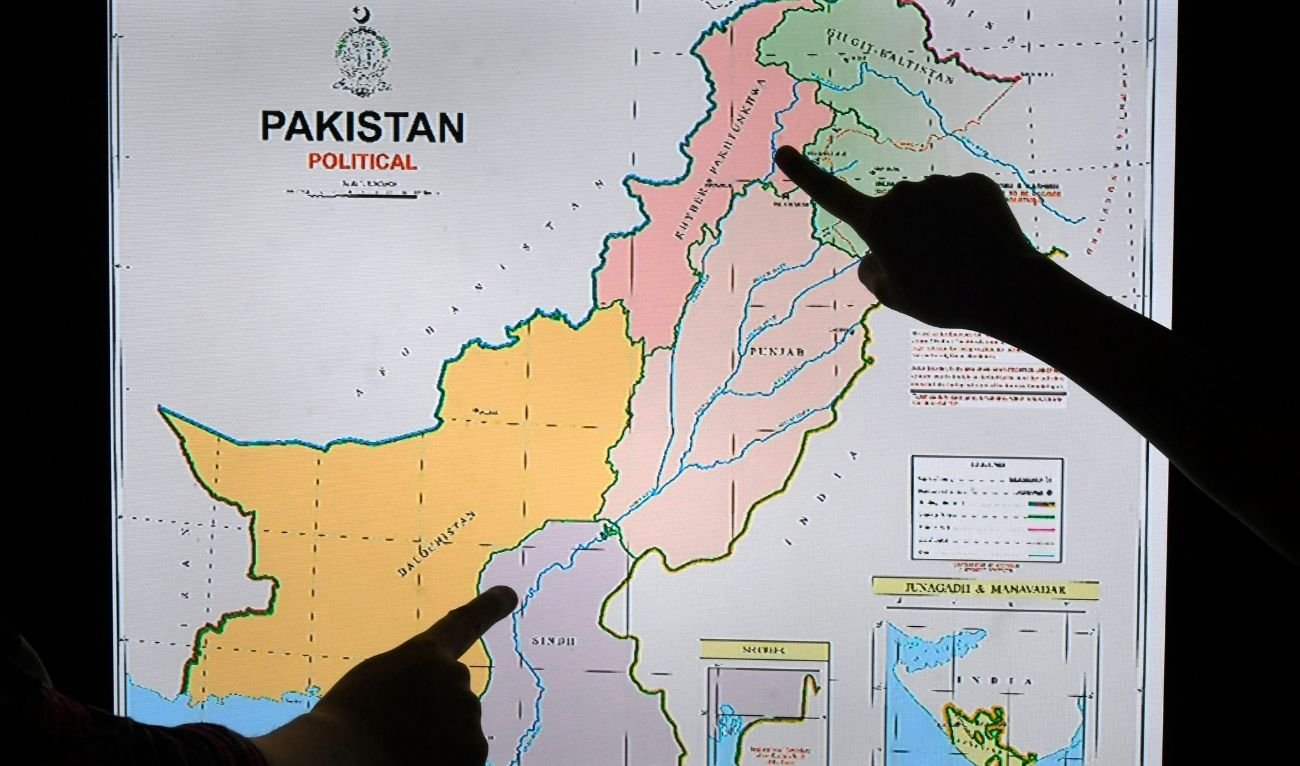

The debate over creating new provinces in Pakistan continues, but no final government decision has been confirmed regarding the country’s administrative boundaries.
Political leaders have offered different proposals to improve governance, decentralise authority and make public services more accessible. However, disagreements among political parties remain a major obstacle to reaching a consensus on restructuring the existing provincial system.
Political Parties Remain Divided Over New Provinces
Planning Minister Ahsan Iqbal has previously suggested creating between 12 and 15 provinces to address administrative challenges and reduce excessive centralisation. Interior Minister Mohsin Naqvi has also called for establishing additional administrative units as part of broader governance reforms.
However, the proposals have faced resistance, particularly in Sindh. Pakistan Peoples Party leaders have opposed dividing the province and argued that its territorial boundaries should remain protected.
Sindh Assembly has also passed resolutions opposing the creation of new provinces or administrative units within the province. PPP leader Nisar Ahmed Khuhro recently maintained that any discussion about dividing Sindh should end following the assembly’s position.
Parliament Expected to Play a Key Role
Federal Parliamentary Affairs Minister Tariq Fazal Chaudhry previously said Parliament would provide the appropriate forum for discussing the creation of new provinces. He also clarified that Islamabad would remain a federal territory, although authorities were considering a different governance model for the capital.
Meanwhile, any change to provincial boundaries would require constitutional amendments and approval from the affected provincial assembly by a two-thirds majority. Parliament would also need to meet the constitutional requirements for approving such amendments.
Although discussions have gained momentum, political consensus remains essential before any proposal can move forward. The government has yet to establish a final agreement on the number, boundaries or structure of any proposed new provinces.
For the latest updates, visit and follow The Truth International website (www.thetruthinternational.com) and subscribe to the YouTube Channel.

