

Concerns mount over widening geopolitical tensions
Rising tensions in the Middle East have sparked fresh concerns about a potential global crisis following the reported blockade of a strategic maritime route by former US President Donald Trump. Analysts and observers warn that the situation could escalate beyond regional boundaries if not carefully managed.
Commenting on the development, experts expressed fears that the blockade might trigger unintended consequences. They noted that similar geopolitical flashpoints in history, including early Cold War tensions involving Iran in 1946, had rapidly evolved into broader international conflicts. Therefore, they cautioned that the current crisis contains several elements that could lead to a comparable escalation.
At the same time, the blockade has intensified uncertainty surrounding global energy supplies and trade routes, both of which remain highly sensitive to disruptions in the region.
China issues warning amid strategic interests
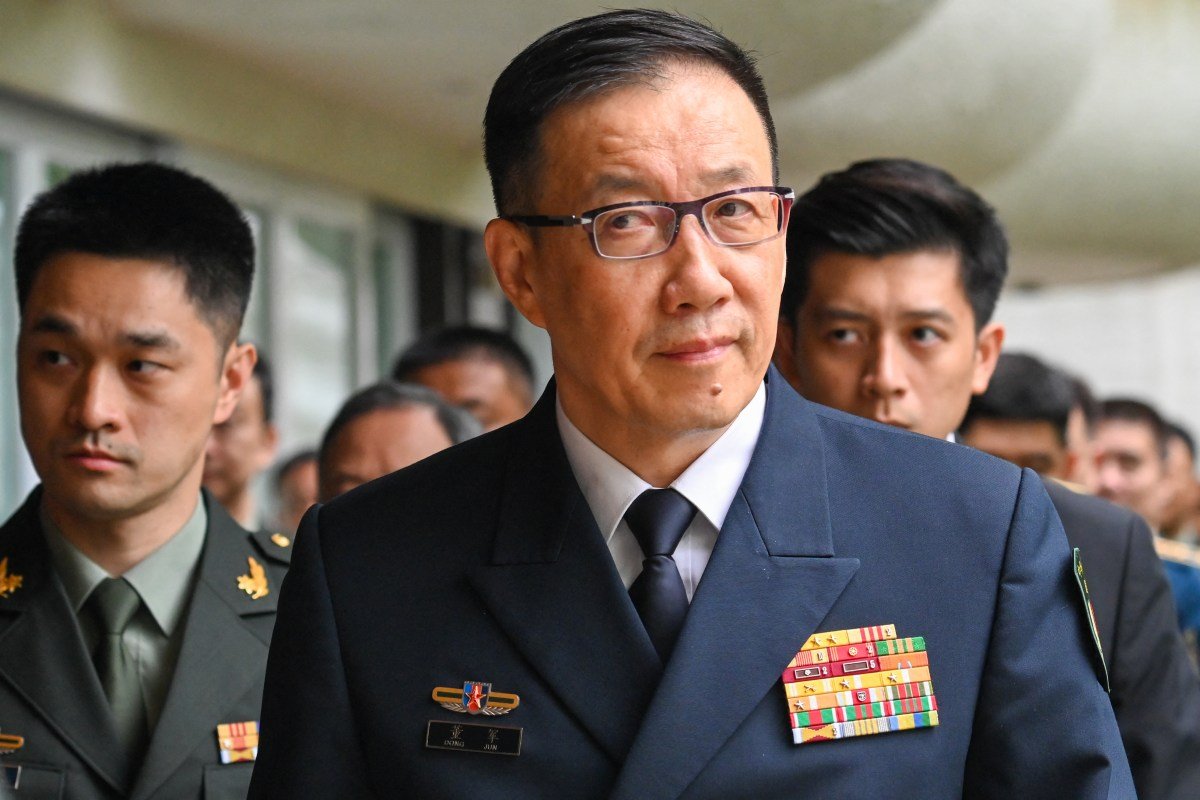
Meanwhile, China has issued a strong warning to the United States, urging it not to interfere in its affairs. Officials emphasized that Beijing maintains significant trade and energy agreements with Iran, highlighting its strategic interests in the region.
Furthermore, China’s statement signals growing international involvement, which could complicate diplomatic efforts to de-escalate tensions. Analysts believe that increased engagement by major powers may heighten the risk of confrontation if positions harden.
In addition, observers stress that effective diplomacy will be crucial in preventing the crisis from spiraling out of control. They argue that miscalculations or aggressive actions could deepen divisions and destabilize global security.
Overall, the evolving situation underscores the fragile balance in international relations and the urgent need for coordinated efforts to avoid a wider conflict.

