
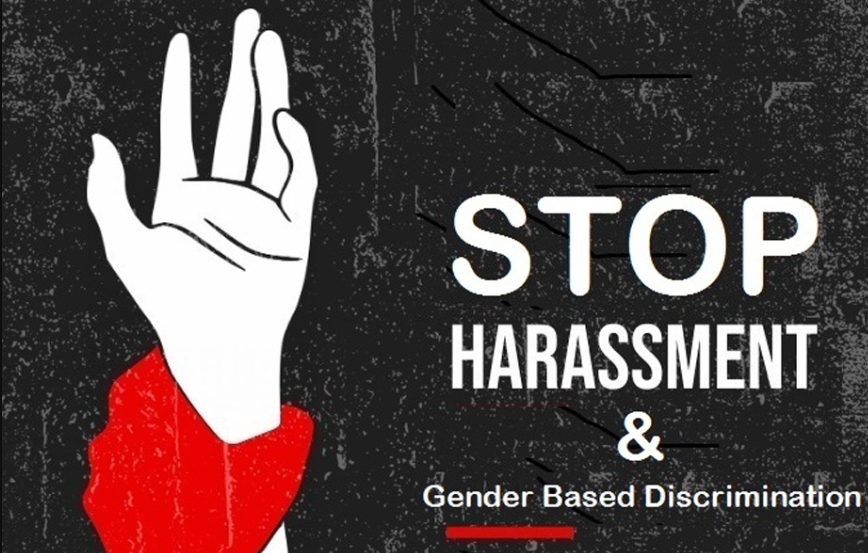

ISLAMABAD: The Federal Constitutional Court (FCC) has restricted the scope of actionable workplace harassment under the Protection against Harassment of Women at the Workplace Act, 2010, ruling that objectionable conduct does not fall under an ombudsperson’s jurisdiction unless it has a sexual element.
A three-member FCC bench, headed by Chief Justice Amin-ud-Din Khan, issued the ruling in a judgment authored by Justice Ali Baqar Najafi. The court held that workplace misconduct may generally be described as harassment, but it becomes actionable under the 2010 law only when the behaviour has a sexual character.
The decision differs from an interpretation adopted by the Supreme Court in 2025. In that ruling, the Supreme Court held that workplace harassment could also encompass gender-based discrimination and the creation of a hostile work environment. It noted that harassment may arise from power imbalances and domination rather than sexual desire.
The FCC, however, held that Section 2(h) of the 2010 Act requires sexual harassment as an essential element for conduct to fall within the ombudsperson’s jurisdiction.
The court observed that misconduct or behaviour considered inappropriate between employees or involving an employer could broadly be labelled harassment. However, such conduct would not automatically become actionable under the Act without evidence of a sexual dimension.
According to the judgment, serious misconduct may carry significant consequences under other applicable rules or laws. Nevertheless, it would not qualify as actionable harassment under the 2010 legislation unless its underlying conduct was sexual.
The bench also clarified that the law protects both women and men working in professional environments. However, it said the legislation specifically addresses workplace harassment involving a sexual dimension.
The court further noted that objectionable behaviour could cause distress or harmful consequences without becoming cognizable by the ombudsperson. For jurisdiction under the Act, the conduct must meet the statutory requirement of being sexual in nature.
The FCC also examined the distinction between gender-based sexual discrimination and ordinary workplace misconduct. It held that discriminatory treatment resulting from a prejudicial gender-based mindset could fall within the Act when it involves sexual discrimination.
However, where the essential element of sexual conduct is absent, the matter may instead be addressed through departmental disciplinary proceedings or other applicable legal mechanisms.
The judgment also addressed the difference between the broad language used in the Act’s preamble and its specific statutory definition. While the preamble refers generally to “harassment,” the court held that Section 2(h) determines which conduct qualifies as actionable harassment under the legislation.
The ruling therefore sets out a narrower interpretation of the ombudsperson’s jurisdiction, distinguishing sexual harassment from other forms of workplace misconduct and disciplinary violations.
For the latest updates, visit and follow The Truth International website (www.thetruthinternational.com), subscribe to the YouTube channel, and follow the Instagram and Facebook pages.
youtube.com/watch?si=WN3oE26thmNBn8yY&v=eNA7jTE2l98&feature=youtu.be

