
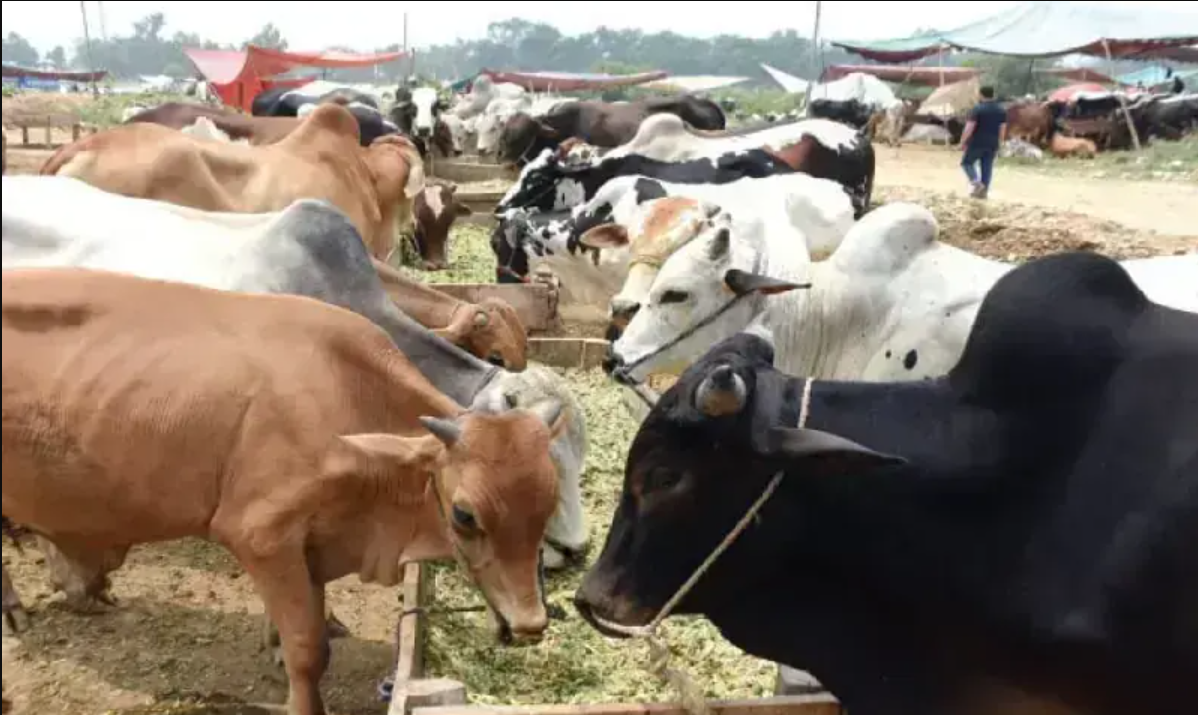

The Federal Board of Revenue (FBR) has proposed a new tax relief scheme for livestock imports linked to meat exports. The draft rules would allow eligible businesses to import cattle, sheep and goats without paying specified duties and taxes. However, operators must meet strict conditions for fattening, processing and exporting livestock or meat products.
The proposed amendments to the Customs Rules, 2001, appear in SRO 1752(I)/2026, issued on October 7. The FBR has invited objections and suggestions within seven days of the notification’s publication in the official Gazette.
FBR Proposes Duty-Free Livestock Imports for Export Businesses
Under the proposed scheme, eligible livestock imports would receive exemptions from customs duty, additional customs duty, regulatory duty, sales tax, federal excise duty and withholding tax. The measure aims to facilitate export-oriented livestock operations while ensuring compliance with customs requirements.
However, businesses would need formal authorisation from Customs and the relevant animal health authorities. They must also maintain livestock identification and traceability records. Additionally, operators would have to provide financial security against deferred duties and taxes.
Two Tracks Proposed for Livestock and Meat Exports
The draft rules establish two categories, allowing businesses to operate according to their export activities.
Track A: Livestock fattening and re-export
This category would cover imported animals that businesses fatten before exporting them. However, Track A would require separate clearance under the Export Policy Order before operators could use the proposed facility.
Track B: Meat production and exports
Track B would cover the fattening, slaughtering and processing of imported livestock, followed by the export of meat and meat products. This category would become operational once the government notifies the final rules.
Both tracks would require operators to follow the prescribed conditions and maintain the necessary records.
Export Deadlines and Livestock Processing Requirements
The proposed rules establish specific deadlines for exporting or processing imported animals. Cattle must be exported or slaughtered within 180 days of their release from quarantine. Meanwhile, sheep and goats must be processed or exported within 120 days.
The rules would permit extensions under specified conditions. However, businesses would need to comply with the applicable requirements to qualify for additional time.
For meat and meat products, the draft sets a separate deadline. Operators must export these products within 120 days of slaughter.
New Livestock Facilities Get Up to 36 Months
The proposed scheme also provides a commissioning period for new and expanding livestock facilities. Businesses would receive 24 months to bring their projects into operation, with a possible extension of another 12 months.
Nevertheless, participating projects must meet specific export performance targets. Under Track A, operators must export at least 80% of imported animals. Under Track B, they must export at least 80% of production by value.
Furthermore, businesses must maintain the required export ratio for five financial years.
Duty-Free Imports of Livestock Feed and Veterinary Supplies
The draft rules would also extend duty-free import benefits to approved inputs used for livestock fattening. These include animal feed, veterinary medicines, vaccines and other authorised supplies.
However, operators must use these imported inputs exclusively for livestock covered by the scheme. This condition would help ensure that the tax concessions support the intended export-oriented activities.
Domestic Sales Allowed Under Specific Conditions
Although the proposed scheme focuses on exports, it would allow limited sales in the domestic market. Operators could divert up to 10% of imported animals, or the equivalent quantity of meat, to local buyers.
However, they would first need approval from the relevant authorities. They must also pay the applicable duties, taxes and surcharge on the quantities diverted to the domestic market.
Mortality Limits, Monitoring and Compliance
The draft rules establish mortality limits for livestock covered by the scheme. The permitted limits would be 3% for cattle and 5% for sheep and goats.
In addition, participating businesses would face quarterly reporting requirements and customs audits. Authorities could impose penalties for non-compliance with the proposed rules.
The FBR would also issue further operating instructions through customs general orders. These instructions would specify approved ports, identification requirements and electronic monitoring arrangements.
What Happens Next?
The proposed framework outlines a tax-deferment mechanism for eligible livestock imports and export-oriented meat production. However, the scheme remains subject to the prescribed notification process and applicable approvals.
The FBR has invited stakeholders to submit objections and suggestions within seven days of publication in the official Gazette. Track B would take effect after notification of the final rules, while Track A would require separate clearance under the Export Policy Order. Businesses would need to meet the relevant authorisation, traceability, export and financial security requirements before operating under the scheme.
For the latest updates, visit and follow The Truth International website (www.thetruthinternational.com) and subscribe to the YouTube Channel.

