
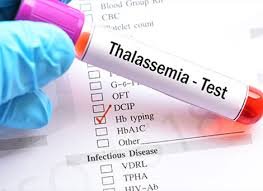

Health experts have called on the Government of Khyber Pakhtunkhwa to simplify the existing pre-marriage thalassaemia screening system. They say the current model is expensive, limited in reach, and difficult to implement across the province.
They have proposed a more practical and cost-effective screening strategy. The goal is to reduce the spread of thalassaemia and prevent lifelong suffering for affected families. Experts believe early detection can significantly lower disease burden.
Current Screening System Faces Major Challenges
The existing system relies heavily on High-Performance Liquid Chromatography (HPLC) testing. This method is accurate but costly. Each test costs around Rs2,500. Only a few machines are available across the province, including in cities like Peshawar, Swat, and Abbottabad.
Officials estimate that nearly 200,000 marriages take place every year in Khyber Pakhtunkhwa. This means around 400,000 individuals would require screening annually. The total cost could reach nearly Rs1 billion, making full implementation difficult.
Due to these limitations, experts say the current approach is not sustainable at scale.
Experts Recommend a Simpler Two-Step Model
Prof. Yasar Mehmood Yousafzai, a senior haematologist at the Khyber Medical University, has suggested a simpler screening framework. He believes public health systems must prioritize affordability and accessibility.
He recommends using the Complete Blood Count (CBC) test as the first screening step. This test is widely available and significantly cheaper than HPLC.
If CBC results show abnormalities such as anaemia or unusual red blood cell indicators, then HPLC should be used for confirmation. This approach reduces cost while maintaining accuracy.
According to him, CBC-based screening can detect most carriers of beta-thalassaemia. Although a small number of silent carriers may be missed, he says such cases are rare in the general population.
However, he notes that the risk may be higher in communities where cousin marriages are common.
Cost and Infrastructure Concerns
Experts also highlight the financial burden of expanding HPLC testing across the province. It requires expensive equipment, trained staff, maintenance contracts, and continuous supply of reagents.
Moreover, building a fully functional network would take years. If rushed, the system could shift toward private laboratories. This may lead to higher costs and inconsistent quality.
Therefore, experts warn against making HPLC compulsory for all couples.
Public Access and Awareness Issues
Accessibility is another major concern. Many couples live far from urban diagnostic centres. High costs and travel barriers reduce compliance.
Experts say a simple CBC-first model would increase participation. It would also improve trust in the screening programme. As a result, more couples would likely complete testing before marriage.
Voices From Thalassaemia Advocacy Groups
Chairman of the Hamza Foundation Ijaz Ali highlighted the urgency of the issue. He said the province has around 50,000 registered thalassaemia patients.
He added that new cases are still being reported every month. This shows that prevention laws are not being effectively enforced.
He also pointed out gaps in prenatal testing. Currently, Chorionic Villus Sampling (CVS) is not widely available in the province. As a result, many families travel to other cities for testing, which is costly.
In contrast, he noted that other provinces already provide free services and have stronger preventive systems in place.
Call for Immediate Action
Experts stress that thalassaemia prevention must be affordable and accessible. They urge the government to act before the problem grows further.
A balanced model combining CBC screening and selective HPLC testing is seen as the most practical solution. It could reduce costs while improving early detection.
Ultimately, specialists warn that delay will increase both financial and human costs. Early reform, they say, is essential to protect future generations.

