
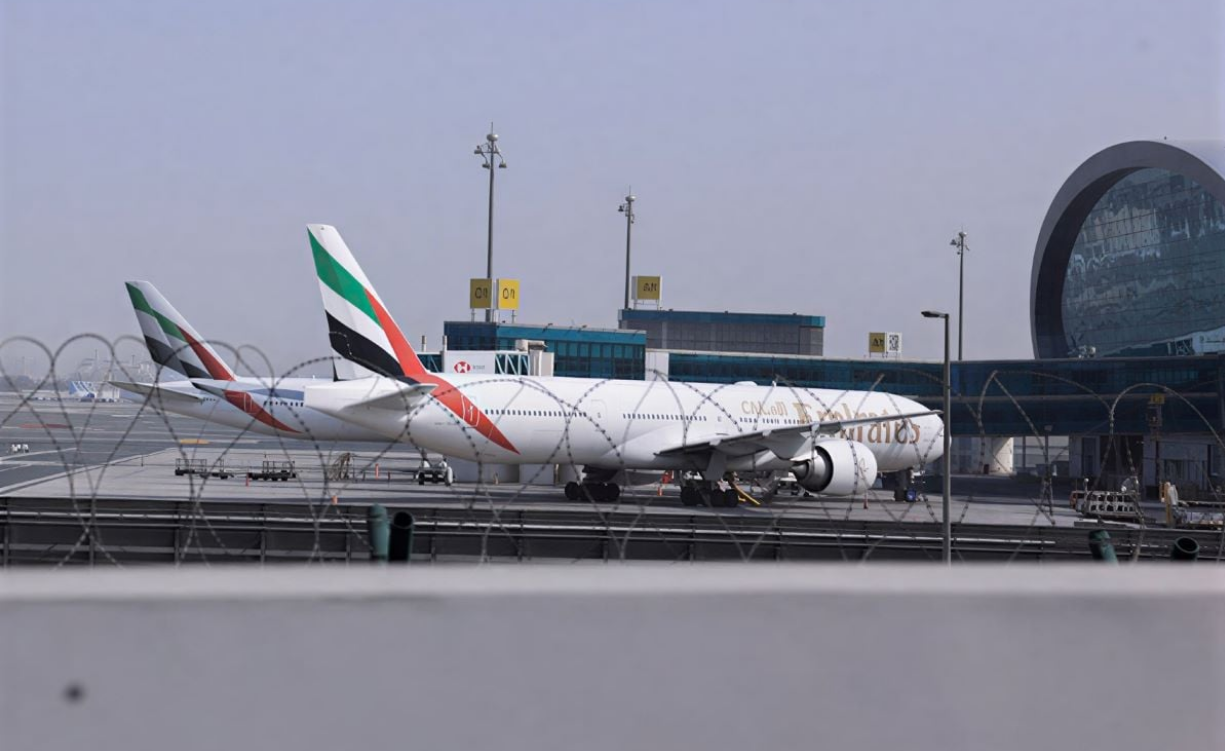

The European Union has introduced strict rules preventing airlines from adding fuel-related charges after passengers have already purchased tickets.
The move comes as the aviation sector faces rising operational costs due to global energy pressures linked to ongoing geopolitical tensions.
EU Clarifies Passenger Protection Rules
EU officials stated that airlines must maintain transparency in pricing at the time of booking.
EU spokesperson Anna-Kaisa Itkonen clarified that post-booking price changes are not acceptable.
She said, “Airlines may adapt their published fares to the situation, but adding a fuel surcharge to a ticket after it has been bought cannot be justified.”
She further added that such changes may “raise issues under the EU’s unfair commercial practices.”
Strict Ban on Retroactive Price Changes
The European Commission reinforced its position in a new document addressing rising aviation costs.
It clearly stated that “any retroactive change of the price is excluded.”
The regulation ensures that the ticket price shown at the time of purchase remains final, regardless of fuel price fluctuations.
Officials explained that airlines cannot increase fares later simply because fuel costs rise beyond initial estimates.
The Commission added that such practices undermine consumer trust and transparency in air travel pricing.
Limited Exceptions for Package Holidays
However, the EU rules include a narrow exception for package holiday bookings.
If clearly mentioned in the contract, fuel-related price adjustments may apply under specific conditions.
Even in such cases, price increases are capped at 8 percent.
If the increase exceeds this limit, customers are allowed either to accept the change or cancel the booking entirely.
Industry Controversy and Legal Debate
The new regulations follow growing disputes within the aviation sector over rising fuel costs.
Some airlines have attempted to introduce additional surcharges due to financial pressure from global energy price shocks.
Spanish low-cost airline Volotea has faced criticism in France after being investigated for adding fuel surcharges linked to the energy crisis.
The airline defended its policy, stating it was legally reviewed and transparent.
A company representative said, “The legality of our system has been confirmed by three independent law firms specialising in air transport and consumer law. The measure is transparent, it is temporary, and it works both ways”, up and down.
Focus on Consumer Rights in Aviation
The EU’s decision strengthens passenger protection across the aviation industry.
It ensures that airlines maintain consistent pricing practices and avoid unexpected post-purchase charges.
As fuel prices remain sensitive due to global instability, regulators aim to prevent unfair financial burdens on travelers.
The new rules are expected to reshape airline pricing strategies and improve transparency for millions of passengers across Europe.

