
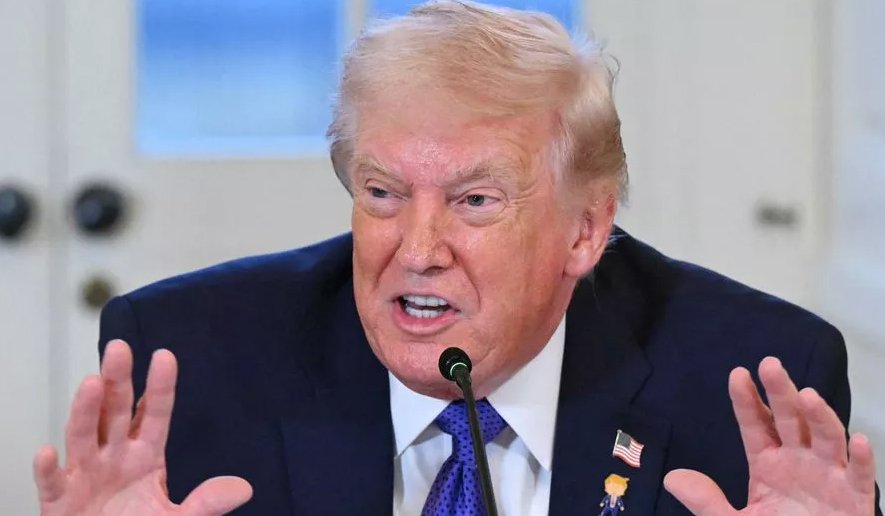

An American economist has stirred fresh debate by claiming that Iran holds a strategic advantage over the United States. The remarks have quickly gained attention across political and economic circles.
The statement comes at a time when tensions remain high. As a result, discussions about leadership decisions and economic impact have intensified.
Hanke Says Trump Is “Checkmated”
Steve Hanke, a professor at Johns Hopkins University, shared a blunt assessment of the situation. He stated, “Iran has Trump cornered. Trump is checkmated.”
His remarks suggest that the United States may have limited options in its current approach. Therefore, the statement has triggered strong reactions online.
Economic Concerns Add to Pressure
Earlier, Hanke also criticised US economic policies linked to the ongoing conflict. He pointed to declining consumer confidence as a warning sign.
“The University of Michigan’s consumer-sentiment index dropped to an all-time low. TRUMP’S TARIFFS & WAR MADNESS = BAD NEWS FOR THE US ECONOMY,” he said.
This observation connects geopolitical tensions with domestic economic challenges. Consequently, concerns about inflation and stability continue to grow.
Public Reactions Highlight Political Divide
Hanke’s comments quickly drew mixed reactions from the public. Some individuals argued that his views reflect a left-leaning political stance.
However, others disagreed and broadened the discussion. They suggested that current policies cannot be linked to one leader alone.
One response stated, “This is not being framed as a Trump-specific policy, but rather as the policy of the US government as a whole.”
Debate Extends to US Institutions
Several voices also pointed to the role of US institutions in shaping foreign policy. In particular, discussions around Congress gained attention.
Some individuals argued that decision-making now reflects broader government consensus. Therefore, the focus has shifted from individual leadership to institutional responsibility.
Rising Questions Over Strategy
The ongoing situation has raised questions about the effectiveness of current strategies. While some support a strong stance, others warn about long-term consequences.
At the same time, economic indicators continue to influence public opinion. This combination has made the debate more complex and urgent.

