
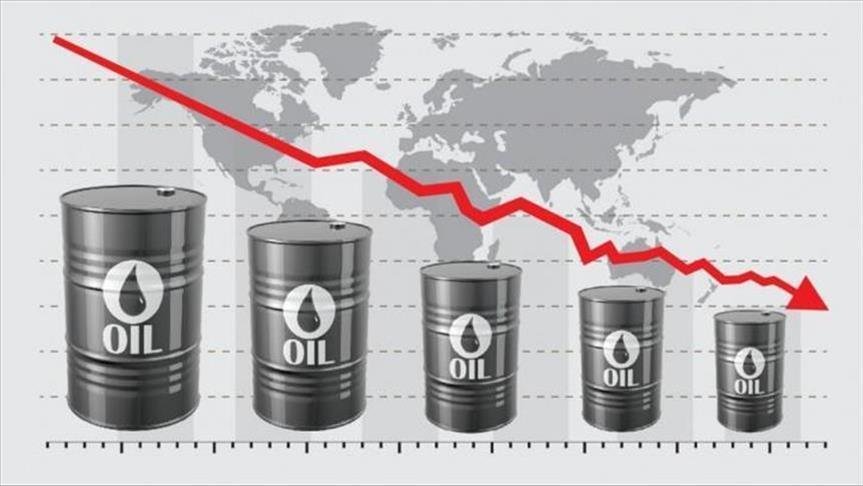

Global crude oil prices fell sharply on Wednesday as signs of progress in US-Iran diplomacy reduced concerns about supply disruptions. Investors responded to growing expectations that an agreement could reopen the strategic Strait of Hormuz.
Brent crude, the international benchmark, fell to $78.30 per barrel. The price also briefly dropped below $78 during trading, reaching its lowest level since July 13.
Meanwhile, US West Texas Intermediate (WTI) crude declined to $74.50 per barrel. The move pushed WTI
toward its lowest level in around three weeks.
US-Iran Deal Raises Hopes for Hormuz Reopening
The latest oil market sell-off followed comments from US Treasury Secretary Scott Bessent. During an interview with CNBC, Bessent indicated that Washington and Tehran could finalise an agreement to reopen the Strait of Hormuz “today or tomorrow.”
The comments quickly changed market expectations. Traders had previously priced in significant risks linked to geopolitical tensions and possible disruptions to energy shipments.
A reopening of the waterway could therefore ease fears about global oil supplies. The Strait of Hormuz remains one of the world’s most important energy routes.
Brent Oil Retreats From July Peak
The latest decline represents a sharp reversal from the market’s anxiety last month. Brent crude reached $100.69 per barrel on July 23 as concerns over military escalation pushed prices higher.
Current price levels show how quickly sentiment has changed.
- Brent crude: $78.30 per barrel
- WTI crude: $74.50 per barrel
- Brent July 23 peak: $100.69 per barrel
The fall reflects a reduction in the geopolitical premium that had pushed crude prices higher.
Qatar Reports Positive Diplomatic Progress
Market confidence received another boost following comments from Qatar. The country has played an important role in diplomatic efforts involving the United States and Iran.
Qatar’s Ministry of Foreign Affairs described the ongoing discussions as being in a “very positive phase”. The statement strengthened expectations that negotiators could reach an agreement soon.
Energy economists said reopening the Strait of Hormuz could significantly reduce global supply risks. Around 20% of global petroleum supplies pass through the strategic waterway.
Consequently, a stable maritime arrangement could remove a major source of uncertainty from oil markets.
Traders Remain Cautious Over Hormuz Deal
Despite the sharp decline in crude prices, traders have not completely dismissed the possibility of renewed volatility. Market participants want to see the final terms of any agreement before declaring the supply threat resolved.
Shipping analysts are also monitoring vessel movements through the strategic waterway. Physical shipping activity will provide an important indication of whether maritime traffic has genuinely returned to normal.
Iran has yet to publicly confirm the current status of negotiations. Therefore, uncertainty remains despite the optimistic signals from Washington and Qatar.
Oil Market Awaits Confirmation
The latest decline shows how strongly diplomatic developments can influence energy markets. However, traders are likely to remain cautious until commercial shipping flows through Hormuz normalise consistently.
For now, expectations of a potential US-Iran agreement have reduced the immediate supply disruption risk. If the Strait of Hormuz reopens smoothly, crude prices could face further pressure as the geopolitical risk premium fades.
However, any setback in negotiations could quickly reverse the market’s recent optimism. Investors will therefore continue watching diplomatic developments and vessel movements closely in the days ahead.

