
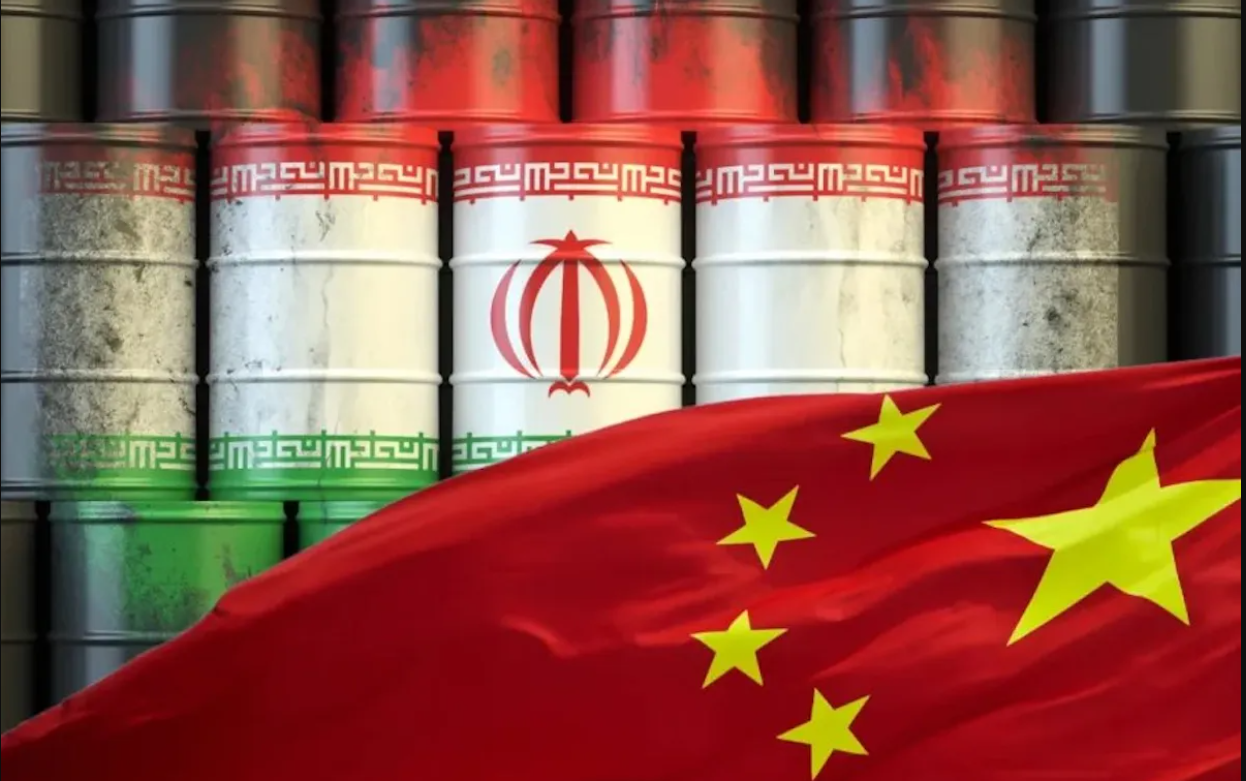

China has rejected United States sanctions targeting companies involved in purchasing Iranian oil. The move highlights rising tensions over global energy and trade policy.
Beijing confirmed that it will not comply with restrictions imposed on five firms linked to Iranian crude imports. The announcement came from China’s commerce ministry.
The decision reinforces China’s position as a key buyer of discounted oil from Iran. This trade continues largely through independent refining companies.
Role of Independent Refineries in Oil Imports
China imports a significant share of Iranian oil through smaller independent refineries. These facilities are commonly known as “teapot” refineries.
They rely heavily on lower-cost crude supplied from Iran. This arrangement supports domestic demand while reducing import costs.
However, the United States has increased pressure on these supply channels. Washington aims to limit Iran’s oil revenue through targeted sanctions.
Beijing Declares US Measures Invalid
China’s commerce ministry stated that the sanctions will not be recognised or enforced. It said, “shall not be recognised, implemented, or complied with”.
The ministry argued that the restrictions unfairly target Chinese companies. It further stated that normal trade activities are being disrupted.
According to the statement, the sanctions violate international law. It also claimed they breach basic norms of international relations.
Companies Named in Chinese Statement
The ministry referred to several affected companies operating in China. These include firms based in Shandong and other provinces.
The listed companies include Shandong Jincheng Petrochemical Group, Shandong Shouguang Luqing Petrochemical, and Shandong Shengxing Chemical.
Additional firms mentioned are Hengli Petrochemical (Dalian) Refinery and Hebei Xinhai Chemical Group.
China emphasized that these companies should continue normal business operations. It rejected external interference in their trade activities.
US Expands Sanctions on Oil Networks
The United States has continued tightening restrictions on Iranian oil trade. Washington recently sanctioned another Chinese company for large-scale crude imports.
Officials claim the firm imported “tens of millions of barrels” of oil. They argue this generated billions in revenue for Iran.
The targeted company, Qingdao Haiye Oil Terminal Co., Ltd., was not included in China’s response statement.
These actions reflect ongoing efforts to restrict energy revenues flowing to Iran.
Diplomatic Tensions Remain Unresolved
The sanctions come amid continued diplomatic deadlock between Washington and Tehran. No long-term agreement has been reached on the conflict.
Tensions escalated following earlier military strikes involving the United States and its allies. The situation remains politically sensitive and unresolved.
Meanwhile, global markets continue to watch developments closely. Energy trade remains a key pressure point in international relations.
High-Level Talks Expected Soon
US President Donald Trump is expected to visit China later this month. He is scheduled to meet Chinese President Xi Jinping.
The visit may open discussions on trade and geopolitical tensions. However, sanctions on Iranian oil are likely to remain a key issue.
For now, both sides maintain firm positions. China continues to reject unilateral sanctions, while the United States maintains its pressure strategy.

