

Pakistan is pushing for another 60-day period to help the United States and Iran reach a final agreement. The proposal seeks to revive stalled direct negotiations under the Islamabad Memorandum of Understanding. It also focuses on reopening the Strait of Hormuz and easing sanctions on Tehran.
Pakistani government sources said the proposal followed recent diplomatic efforts in Tehran. However, Washington, Tehran and Islamabad have not officially confirmed the plan.
The previous 60-day period expired on August 16 without a public decision on extending negotiations. However, Pakistani sources said both sides tacitly agreed to avoid renewed hostilities.
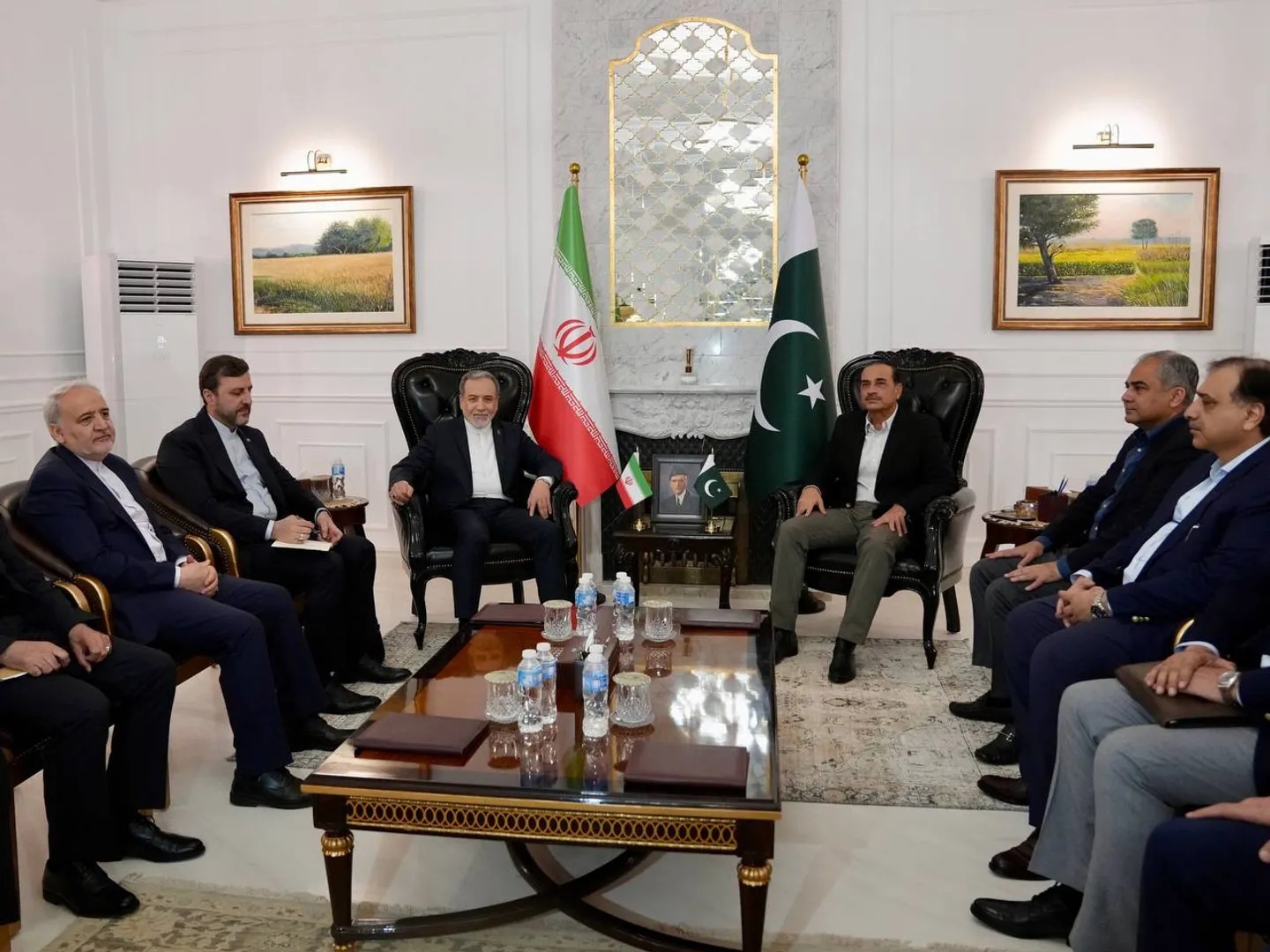
Pakistan’s latest initiative followed Army Chief Field Marshal Asim Munir’s visit to Tehran. He reportedly discussed new proposals with Iranian leaders during the trip.
Interior Minister Mohsin Naqvi, who accompanied Munir, said “significant progress” had been made during the visit.
US and Iran Remain Divided
The latest proposal comes as Washington introduces additional economic sanctions targeting Iran and its trade.
Seyed Mehdi Tabatabaei, a spokesperson for the Iranian President’s Office, described Munir’s visit as “highly productive” and said it achieved “significant diplomatic achievements”.
Pakistan has proposed immediately resuming direct negotiations during another 60-day period. The initial phase would seek a framework for reopening the strait and lifting sanctions.
According to the sources, Munir also conveyed a US proposal involving the reopening of the Strait of Hormuz. In return, Washington would reportedly lift “a sizable part” of economic sanctions.
However, major disagreements remain over ceasefire violations and Iran’s support for Hezbollah and the Houthis.
The US reportedly wants direct talks and reopening of the strait to happen together. Iran, meanwhile, wants Israel to halt ceasefire violations before reopening the route.
“Tehran has shown a positive gesture to the new proposals; however, no specific terms have yet been reached on the key issues,” another source said.
Pakistan Continues Mediation Efforts
Pakistan has remained a key mediator between Washington and Tehran during the conflict. Islamabad has maintained communication with both sides while seeking to revive negotiations.
The two countries signed the Islamabad Memorandum of Understanding on June 17. However, negotiations later stalled over security guarantees and freedom of navigation through the Strait of Hormuz. Pakistan has also previously hosted high-level direct talks between the two countries. The April 11-12 meetings in Islamabad ended without a final agreement.
Meanwhile, Pakistan has invited Iranian negotiators to Islamabad for further discussions. “Doha option is also there,” the sources said, referring to possible talks in Qatar.
The proposed diplomatic push could provide another opportunity to address the remaining disputes. However, both sides still face significant differences before reaching a lasting agreement.

