
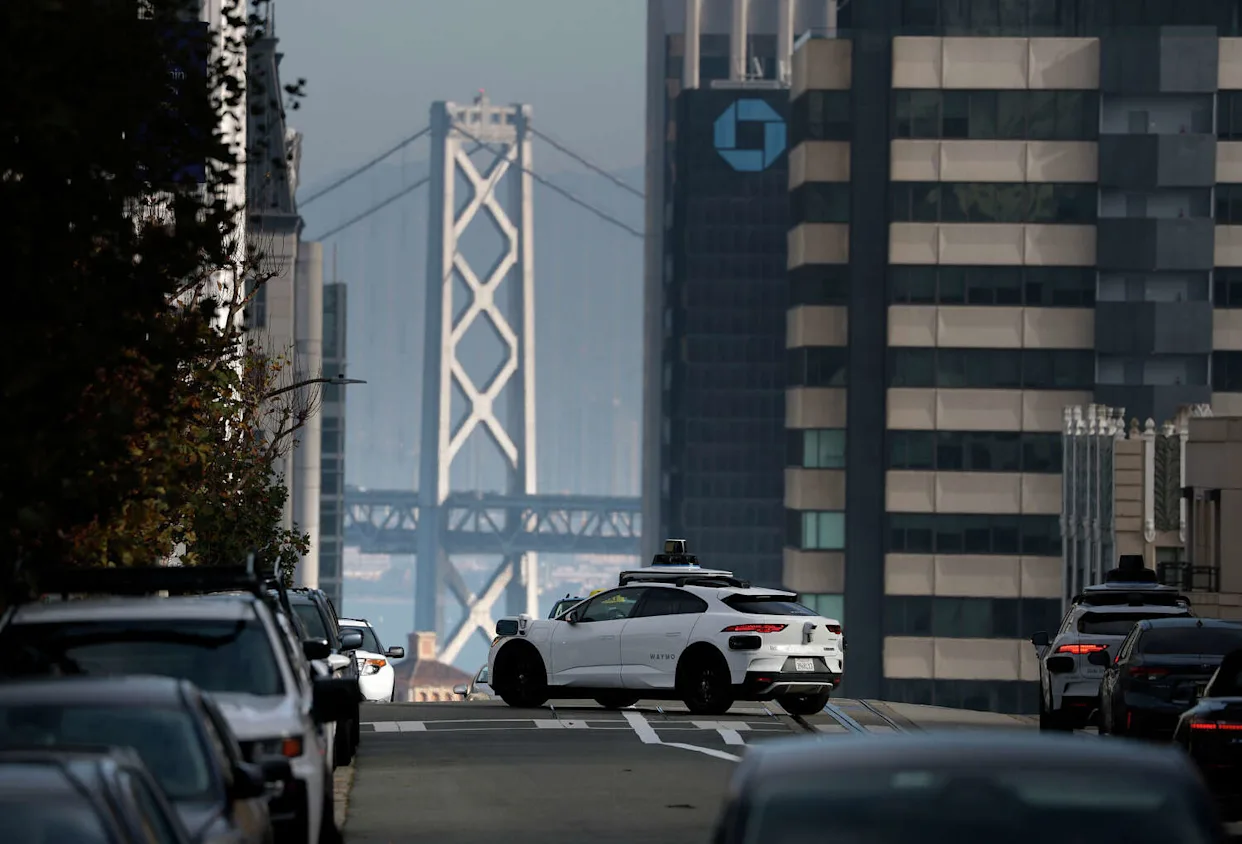

New Law Targets Traffic Violations by Driverless Cars
The state of California has introduced a major update to its autonomous vehicle regulations. Under the new rules, police officers will be able to issue violations for self-driving cars that break traffic laws.
The move addresses a long-standing legal gap. Until now, law enforcement could not directly penalize autonomous vehicles. This created challenges when driverless systems committed traffic violations on public roads.
The updated framework is part of the state’s expanding oversight of autonomous technology. It is designed to improve road safety and accountability in a rapidly growing sector.
The California Department of Motor Vehicles confirmed the changes. Officials described the policy as one of the most comprehensive autonomous vehicle laws in the United States.
Manufacturers Now Held Accountable for AV Behavior
Under the new system, police will issue notices of noncompliance directly to manufacturers. This means responsibility will shift from drivers to companies that operate autonomous fleets.
Companies will be required to respond to law enforcement within 30 seconds of receiving a violation notice. Failure to comply may result in financial penalties.
Authorities will also impose fines if autonomous vehicles enter active emergency zones. This rule is intended to protect first responders and ensure public safety during critical incidents.
The new regulations will officially take effect on July 1, 2026. They build on a broader legislative framework introduced in 2024. That earlier law called for tighter control over autonomous driving technologies.
Safety Concerns Drive Stronger Regulatory Action
Steve Gordon, Director of the California DMV, said the update strengthens safety standards. He stated that California continues to lead in autonomous vehicle development and regulation.
He described the new framework as one of the most detailed in the country. According to him, the goal is to balance innovation with public safety on roads.
The decision follows multiple reports of traffic disruptions involving driverless cars. One notable incident occurred during a major blackout in San Francisco. Autonomous taxis reportedly stalled on roads, worsening congestion and delaying emergency response.
Vehicles operated by companies such as Waymo were among those affected during the disruption. The incident raised serious concerns about system reliability during unexpected conditions.
Officials believe the new rules will improve accountability and prevent similar incidents in the future. By assigning responsibility to manufacturers, regulators aim to ensure faster response and better control over autonomous fleets.
The regulation marks a turning point in how driverless technology is governed. As adoption increases, authorities are tightening rules to keep pace with innovation. California’s approach may influence future policies across the United States.

