

As Pakistan prepares to unveil the federal budget for fiscal year 2026-27, discussions between the country’s two major coalition partners remain unresolved.
The Pakistan Muslim League-Nawaz (PML-N) and the Pakistan Peoples Party (PPP) continued consultations over proposed budget measures. However, key differences remain on taxation, subsidies, and development spending.
The budget is expected to be presented on June 10. Therefore, both sides are making efforts to narrow their differences before the announcement.
High-Level Meeting Fails to Break Deadlock
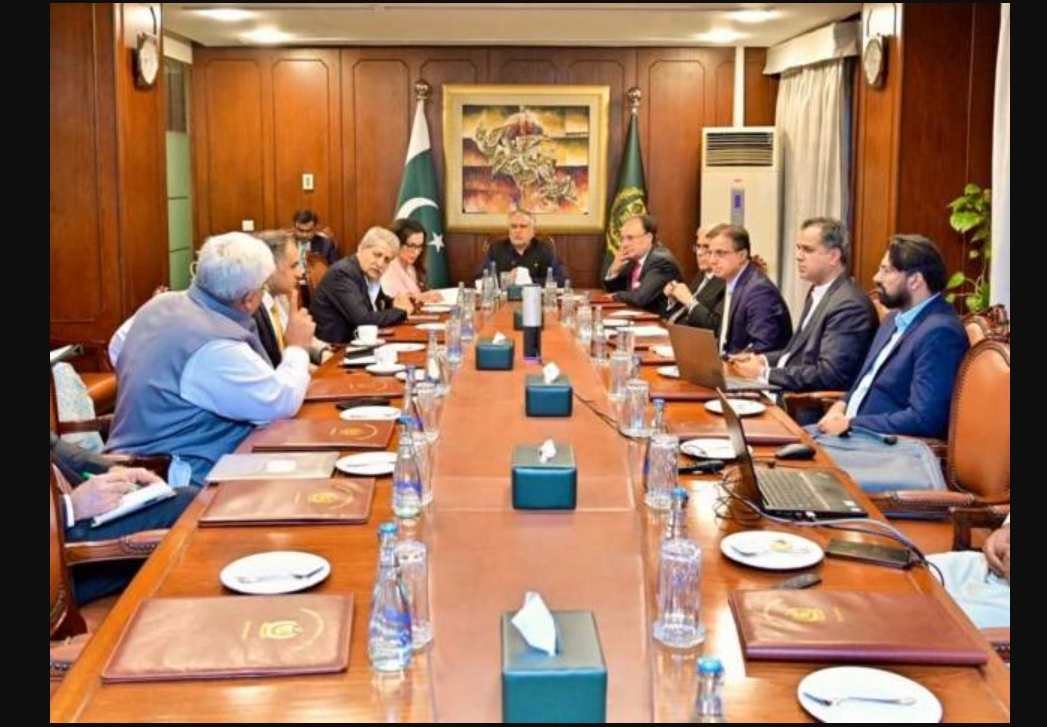
A government delegation led by Deputy Prime Minister Ishaq Dar recently met PPP representatives to discuss the upcoming budget.
The PPP delegation included senior leaders Naveed Qamar and Sherry Rehman. Meanwhile, officials from the Finance Ministry also participated in the discussions.
Despite the meeting, both sides failed to reach a breakthrough. As a result, the deadlock over several budget proposals continues.
Sources indicated that the session ended without a significant agreement. Nevertheless, consultations are expected to continue in the coming days.
PPP Raises Concerns Over Budget Proposals
According to sources, the PPP has expressed reservations regarding additional taxes, provincial subsidies, and allocations for development projects.
Party leaders reportedly believe that certain proposed measures could place further financial pressure on citizens already struggling with inflation.
Therefore, the PPP has urged the government to reconsider some of its fiscal policies before finalizing the budget.
The party also wants greater focus on public relief measures and development spending.
More Meetings Expected Before Budget Day
Although differences remain, both sides continue to engage in dialogue.
Sources suggest that another important meeting may take place soon. This session is expected to include PPP Chairman Bilawal Bhutto-Zardari after his return from election activities in Gilgit-Baltistan.
Political observers believe these discussions are part of the normal budget consultation process. Consequently, multiple rounds of talks could take place before the budget session begins.
IMF Conditions Remain a Key Factor
PPP leaders are also reviewing proposed fiscal measures in light of recent International Monetary Fund requirements.
According to party sources, concerns exist about the current shape of the budget. They believe several measures need adjustment before receiving full support.
Another source said consultations faced delays because IMF approval arrived “too late”.
As a result, both sides have had limited time to finalize sensitive fiscal decisions.
PPP Opposes New Taxes
One of the main disagreements involves taxation.
PPP representatives have reportedly opposed the introduction of additional taxes. Instead, they want policies that provide relief to citizens affected by rising living costs.
The party argues that the government should focus on expanding the tax net rather than increasing pressure on existing taxpayers.
According to sources, PPP leaders emphasized that a broader tax base would create a fairer system and improve revenue collection.
Focus on Relief and Economic Stability
As budget discussions continue, both coalition partners face the challenge of balancing economic stability with public expectations.
The government must meet fiscal targets while addressing concerns about inflation and economic hardship.
At the same time, the PPP is pushing for measures that reduce pressure on ordinary citizens and support broader economic relief.
With only days remaining before the budget announcement, all eyes are now on the next round of negotiations. Whether the two allies can bridge their differences remains one of the key questions ahead of Budget 2026-27.

