
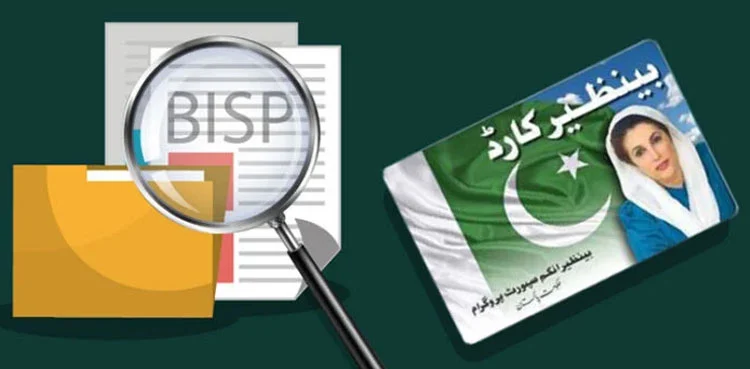

The State Bank of Pakistan (SBP) provided an essential update regarding the Benazir Income Support Programme (BISP). Officials informed a National Assembly panel that beneficiaries will bear the interoperability costs for new digital wallets.
Briefing the Standing Committee on Poverty Alleviation and Social Safety, SBP Deputy Governor Saleem Ullah clarified the specific fee structure. He explicitly stated that charges would apply only to cash withdrawals. Conversely, all online transfers and RAAST transactions will remain free for users.
Detailed Timeline for Digital Account Integration
The central bank is working closely with commercial institutions to launch this digital financial network. The implementation timeline will roll out in phases over the coming months:
-
Initial Bank Integration: Two private microfinance banks will operationalise the system by July 16 and July 20.
-
Full Network Integration: All six participating banking institutions must complete their digital integration by July 31.
-
Mandatory Digitalization: The final deadline for full digitalization and mandatory online functionality is December 31.
Furthermore, Saleem Ullah stated that the fixed withdrawal charge would be Rs. 280. The SBP plans to officially notify the updated schedule of charges every six months.
Committee Raises Concerns Over Awareness and Bank Enforcement
The parliamentary committee expressed strong concerns over the current rollout strategy. Specifically, members highlighted a major lack of public awareness regarding how these digital wallets actually operate. They also criticized what they called weak enforcement of bank compliance by BISP management.
Consequently, the panel directed the programme leadership to establish a much stronger implementation mechanism. They must ensure proper day-to-day facilitation for all beneficiaries. To address this, BISP Secretary Amer Ali Ahmad promised to submit a detailed district-wise report on individual bank performance.
Compensation Details Following Rahim Yar Khan Accident
The standing committee also reviewed a tragic structural incident that occurred in Rahim Yar Khan. Several BISP beneficiaries were unfortunately killed or injured after a roof collapsed at a local cash distribution point.
The panel learned that BISP officially penalized a private microfinance bank for severe negligence during the event. According to the briefing, Rs. 2 million was paid to the family of each deceased person. Additionally, Rs. 500,000 was given for the treatment of the injured. The government successfully recovered these massive compensation amounts directly from the responsible bank’s financial share.

