
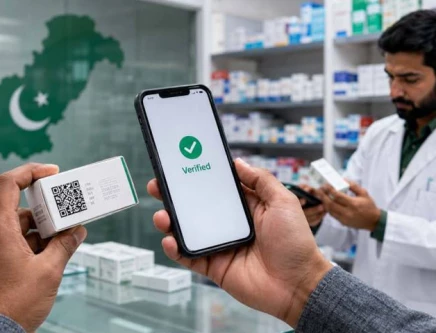

Pakistan has introduced a digital verification system that allows citizens to check whether medicines are genuine and whether pharmacies are charging the correct prices.
The Drug Regulatory Authority of Pakistan (DRAP) has encouraged consumers to use its Mehfooz Dawa app to protect themselves against counterfeit, expired and overpriced medicines.
The application uses a two-dimensional barcode system. Customers can scan codes printed on medicine packaging using their smartphones. The system displays registered product information and pricing details, helping buyers identify suspicious products.
According to Ministry of National Health Services spokesperson Sajid Shah, approximately 800 pharmaceutical companies and more than 90,000 medicines are registered with DRAP.
The centralized Track and Trace System became operational on October 9, 2026. It allows regulators to monitor pharmaceutical products throughout the supply chain.
Authorities can also identify affected medicine batches and arrange recalls when safety complaints or quality problems emerge.
The initiative follows years of administrative delays. Pakistan initially proposed a pharmaceutical barcode system in 2015. Federal cabinet approval followed in 2017, but implementation remained stalled.
Federal Health Minister Mustafa Kamal later directed authorities to accelerate the project. DRAP subsequently established an October 2026 implementation deadline.
The government has also made two-dimensional barcodes mandatory for medicines manufactured after October 9. Older products may therefore remain available without these codes.
Associated Press of Pakistan
Consumers are encouraged to purchase medicines from licensed pharmacies and check packaging carefully.
The new verification facility could strengthen public confidence, discourage illegal drug sales and improve transparency in Pakistan’s pharmaceutical market.
However, buyers should report suspicious products rather than relying exclusively on barcode information.

