
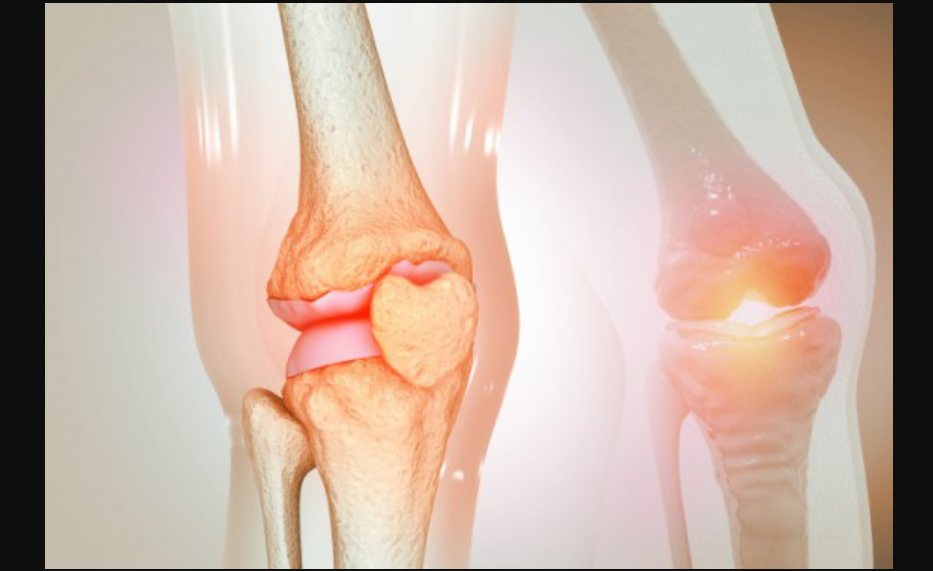

Scientists in South Korea have identified a protein that could significantly change how osteoarthritis is treated. The research suggests that this protein may protect cartilage and slow disease progression rather than only managing pain.
Osteoarthritis is one of the most common joint diseases worldwide. It gradually destroys cartilage, leading to pain, stiffness, and reduced mobility. Current treatments mainly focus on symptom relief instead of stopping the underlying damage.
SHP Protein Identified as Key Protective Factor
Researchers have identified a protein called SHP (NR0B2) that appears to regulate cartilage health. The study shows that this protein helps suppress enzymes responsible for breaking down cartilage tissue.
As osteoarthritis progresses, SHP levels decrease. This decline may accelerate joint damage and worsen symptoms over time.
Scientists believe that maintaining or restoring SHP levels could help protect joints from deterioration.
Study Findings in Human and Animal Models
The research team studied cartilage samples from osteoarthritis patients and tested disease models in animals. They found a clear pattern of reduced SHP levels in advanced stages of the disease.
In mice without SHP, joint damage developed more rapidly. These animals also experienced stronger pain responses and reduced mobility.
However, when SHP levels were restored, cartilage damage slowed significantly. Joint function also improved in treated models.
These findings suggest that SHP plays an active role in maintaining joint structure and function.
How SHP Protects Cartilage
Further investigation revealed the biological mechanism behind SHP’s protective role. The protein reduces the production of enzymes that break down cartilage tissue.
Key enzymes affected include MMP-3 and MMP-13. These enzymes are known to accelerate cartilage degradation in osteoarthritis patients.
SHP works by regulating the IKKβ/NF-κB signaling pathway. This pathway controls inflammation and tissue breakdown processes in joints.
By blocking this pathway, SHP helps preserve cartilage structure and slow disease progression.
Gene Therapy Shows Promising Results
Researchers also tested a gene-based approach to increase SHP levels in joints. They used a viral vector to deliver the SHP gene directly into affected areas.
Even a single injection showed long-lasting improvements in animal models. Cartilage damage was reduced, and pain symptoms decreased.
Importantly, the treatment worked even in advanced stages of osteoarthritis. This suggests potential for future therapeutic applications.
Expert Insights and Future Potential
Lead researchers stated that this is the first study to clearly demonstrate SHP’s protective role in osteoarthritis progression. They believe it could become a target for new treatments.
Future therapies may focus on enhancing SHP activity or using gene-based delivery systems. Such approaches could shift treatment from symptom control to disease modification.
Conclusion
The discovery of the SHP protein offers new hope for osteoarthritis treatment. Instead of only managing pain, future therapies may aim to protect cartilage and slow disease progression.
While more research is needed, the findings open the door to potential breakthroughs in joint disease management and long-term mobility preservation.

