
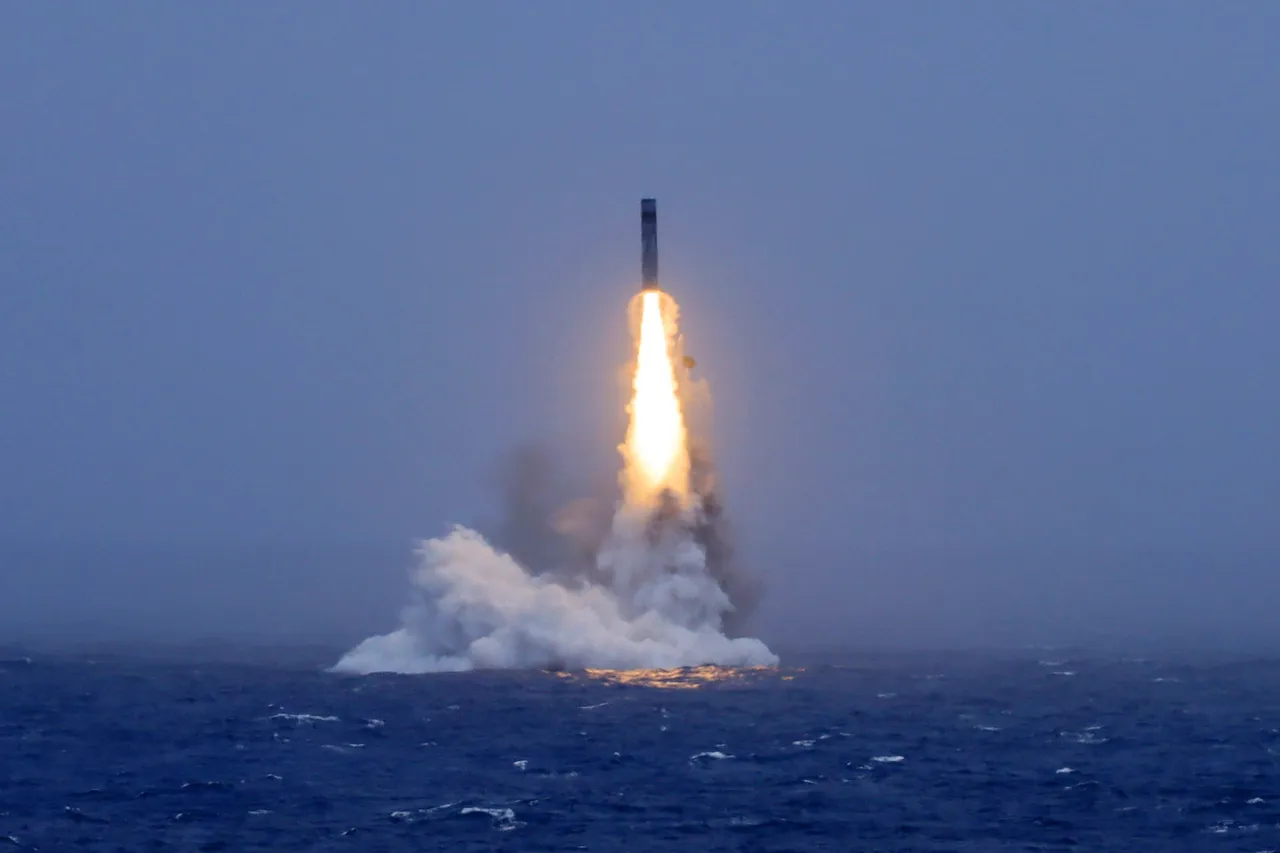

Australia has criticized China’s recent test launch of a nuclear-capable ballistic missile into the South Pacific, calling it a destabilizing development amid growing regional security concerns. The launch came shortly after Australia and Fiji signed a new defense agreement. Consequently, Australian leaders urged Beijing to provide greater transparency about its military activities.
Australia Raises Concerns Over Missile Launch
Defense Industry Minister Pat Conroy said China had planned the long-range missile test for some time but informed Australia only a few hours before the launch. China announced that it had successfully tested a strategic missile launched from a nuclear submarine after notifying several Pacific nations.
The launch marked China’s second strategic missile test in the Pacific since September 2024. Furthermore, it followed Australia’s new defense pact with Fiji, although Conroy said the timing was likely coincidental rather than directly connected.
Defense Minister Richard Marles said Canberra had raised its concerns directly with Beijing. He argued that China’s expanding military capabilities lacked sufficient transparency and could increase regional instability.
Pacific Leaders Call for Greater Transparency
Prime Minister Anthony Albanese described the missile test as destabilizing and provocative. He said Australia expects at least 48 hours’ notice for such activities and expressed concern that China provided only a few hours’ warning.
Meanwhile, Solomon Islands Prime Minister Matthew Wale also criticized the launch. He said the Pacific region should not become a testing ground for intercontinental ballistic missiles and urged all major powers to avoid actions that threaten regional peace.
In response, Chinese Foreign Ministry spokesperson Mao Ning said the missile test was a routine military exercise that complied with international law. She added that China had informed Solomon Islands and other South Pacific nations before the launch. Moreover, she reiterated that China remains committed to peaceful development and follows a nuclear strategy based on self-defense. Beijing also urged other countries not to overinterpret the exercise or view it as directed against any specific nation.

