
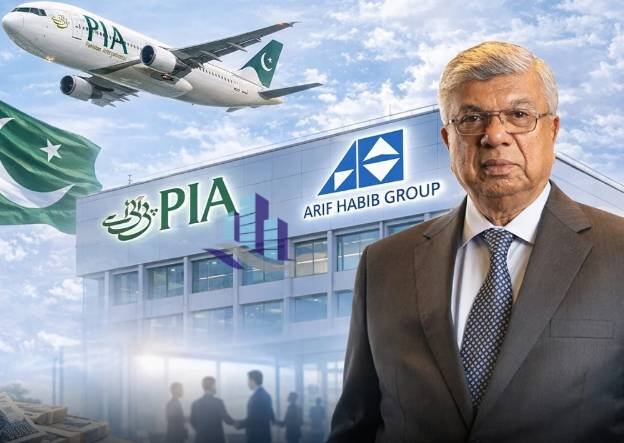

A major shift has taken place in Pakistan’s aviation sector. The Arif Habib Consortium has officially become the sole owner of Pakistan International Airlines. This follows the purchase of the remaining 25 percent shares in the airline.
The move completes the privatization process that began earlier. It marks a significant milestone in the government’s economic reform strategy.
Officials confirmed that the final payment for the remaining shares was deposited on Tuesday. A bank guarantee worth Rs45 billion was also submitted as part of the agreement.
Final Share Acquisition Completes Privatization Process
The consortium had already acquired a majority stake in the airline. It previously owned 75 percent of the shares. The agreement included an option to buy the remaining 25 percent.
With this latest transaction, the group now holds 100 percent ownership. This gives it full operational and financial control of the airline.
The transition is expected to be completed soon. The consortium is likely to formally take charge of operations in May.
The acquisition represents one of the largest privatization deals in the country’s aviation history. It signals a shift toward private sector management of national assets.
Background of the High-Value Deal
The privatization process began in late 2025. The government offered a majority stake in PIA to interested investors.
Several major business groups participated in the bidding process. These included the Lucky Cement consortium and Airblue.
In the initial phase, multiple bids were submitted. The Arif Habib-led group emerged as the highest bidder. It secured 75 percent shares with a bid valued at Rs135 billion.
The competitive bidding process reflected strong investor interest. However, the Arif Habib Consortium maintained a clear lead throughout the final stages.
The group includes several prominent business entities. These span sectors such as finance, education, real estate, and manufacturing.
Expectations for PIA’s Future Under New Ownership
With full ownership secured, expectations are now focused on the airline’s future. Industry observers believe the new management will aim to improve efficiency and service quality.
PIA has faced financial and operational challenges for years. Privatization is expected to bring structural reforms. It may also introduce better governance and cost management.
Experts suggest that private ownership could help modernize the airline. This may include fleet upgrades, improved customer experience, and expanded routes.
The move also aligns with broader economic goals. The government aims to reduce financial burden by transferring loss-making entities to private investors.
Economic and Strategic Significance
The completion of this deal sends a strong signal to investors. It highlights Pakistan’s commitment to economic reforms and privatization.
Such large-scale transactions can boost investor confidence. They also open opportunities for further private sector participation in key industries.
For the aviation sector, the deal could mark a turning point. A more competitive and efficient national carrier may emerge under private leadership.
The coming months will be critical. Stakeholders will closely watch how the new owners manage operations and implement reforms.
The full takeover of PIA by the Arif Habib Consortium represents a new chapter. It reflects a shift toward market-driven management and long-term sustainability.

