
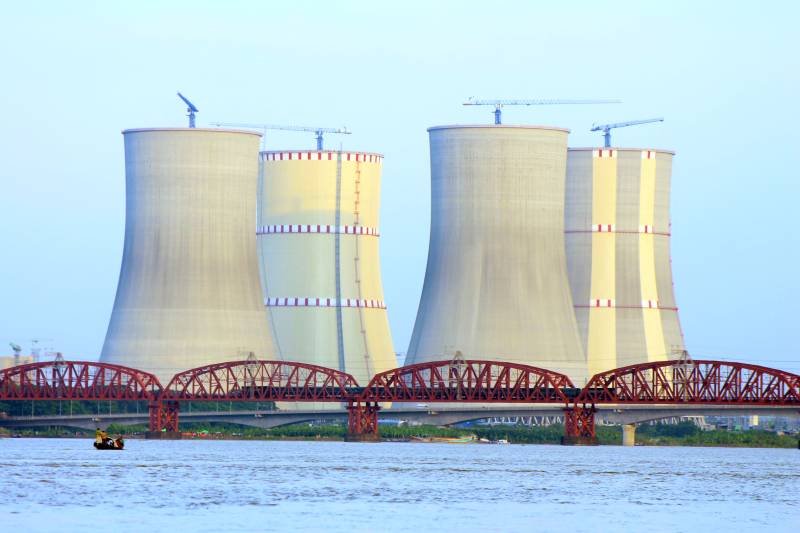

Bangladesh has taken a major step toward transforming its energy sector. The country has started loading uranium fuel into its first nuclear power facility. This marks a critical milestone in bringing the long-awaited project closer to operation.
The development is expected to ease pressure on the national power grid. It also signals Bangladesh’s shift toward more stable and long-term energy solutions.
The project is located at the Rooppur Nuclear Power Plant. It is designed to generate 2,400 megawatts of electricity once fully operational.
Fuel Loading Marks Beginning of Critical Startup Phase
The loading of uranium fuel is a key technical stage in nuclear power generation. According to officials, this process will allow the reactor to begin controlled operations.
Once fuel loading is complete, a controlled nuclear fission chain reaction will begin inside the reactor core. This step is essential for producing electricity.
Experts describe this phase as the “physical startup” of the plant. It requires careful monitoring and strict safety measures.
The plant’s senior scientific officials confirmed that this stage will be handled with precision. Every step will follow international safety standards.
Initial electricity generation is expected to begin soon. Authorities aim to supply around 300 megawatts to the grid in the early phase.
Project Timeline and Energy Goals
Construction of the nuclear facility began in 2017. The total project cost is estimated at around $11 billion.
The government plans to gradually increase production capacity. Full output of 2,400 megawatts is expected by late 2027.
When fully operational, the plant could meet up to 10 percent of the country’s electricity demand. This will significantly reduce reliance on traditional energy sources.
Bangladesh currently faces growing energy challenges. Rising demand and limited domestic resources have strained the system.
The nuclear project is seen as a long-term solution. It aims to provide consistent and reliable electricity supply.
Energy Crisis and Dependence on Imports
Bangladesh relies heavily on imported fuel. Around 95 percent of its oil and gas comes from international markets.
Much of this supply depends on shipments through the Strait of Hormuz. Recent geopolitical tensions have disrupted these routes.
The ongoing energy crisis has worsened the situation. Power shortages are especially severe during summer months. Increased use of air conditioning puts additional strain on the grid.
The nuclear plant is expected to reduce this dependence. It will provide a more stable and locally controlled energy source.
Safety and Testing Remain Top Priorities
Experts stress that nuclear energy requires careful handling. The startup phase involves multiple layers of testing and evaluation.
According to academic specialists, every stage must meet strict safety requirements. This includes reactor performance, cooling systems, and radiation control.
The process will move gradually. Each step will be reviewed before advancing to full-scale production.
Authorities have emphasized that safety will not be compromised. The goal is to ensure reliable and secure energy generation.
A New Era for Bangladesh’s Energy Future
The launch of this nuclear project represents a major shift in national energy policy. It reflects efforts to diversify energy sources and reduce vulnerability to global supply disruptions.
With rising demand and limited resources, Bangladesh is seeking sustainable solutions. Nuclear energy offers a path toward long-term stability.
The success of this project could reshape the country’s energy landscape. It may also serve as a model for other developing nations facing similar challenges.

