
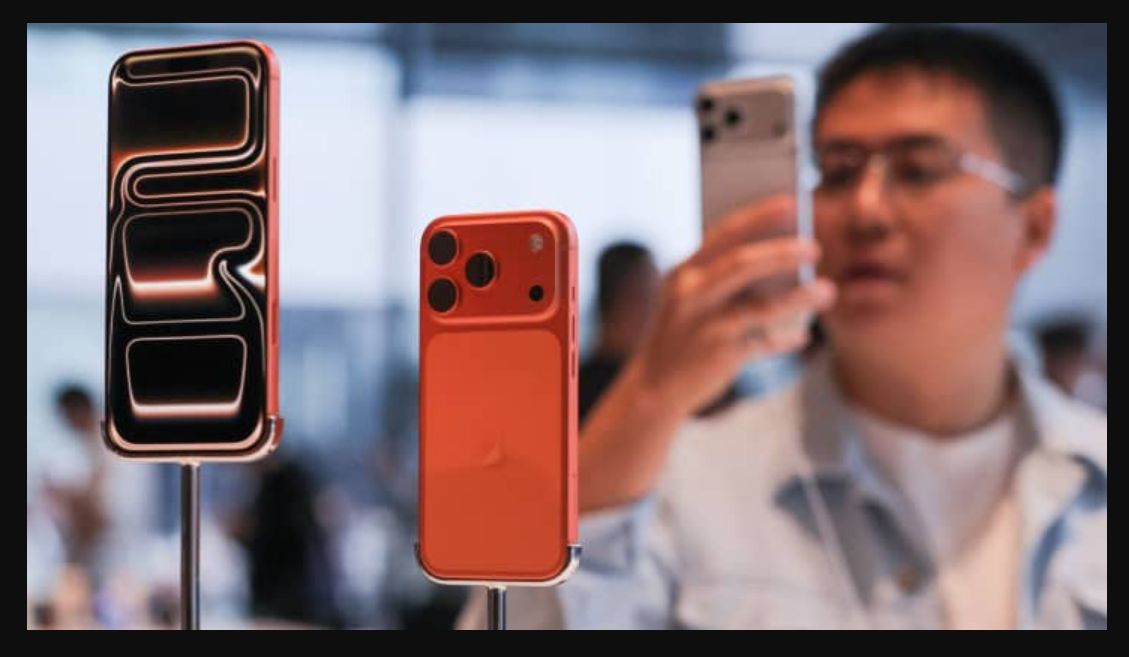

Apple recorded a strong rise in iPhone shipments in China during the first quarter. The growth reached 20 percent, making it the highest among major smartphone vendors.
The increase came despite an overall decline in China’s smartphone market. Total shipments fell by 4 percent between January and March.
Market weakness was linked to supply chain disruptions. Additionally, rising memory chip prices increased pressure on manufacturers.
Apple and Huawei Outperform in a Weak Market
Despite the downturn, Apple and Huawei managed to grow their shipments. Apple saw a 20 percent increase, while Huawei recorded a 2 percent rise.
These two companies emerged as the strongest performers in the Chinese market. Together, they maintained leading positions despite broader industry challenges.
Apple’s performance was supported by strong consumer demand. Moreover, Chinese buyers continue to value long-term product durability.
“As most rivals raise prices, Apple stands out for value, with Chinese consumers knowing its products last at least three years,” Ivan Lam, senior analyst at Counterpoint Research.
Huawei Retains Market Leadership
Huawei held the top position in the Chinese smartphone market. It captured a 20 percent market share during the quarter.
Strong demand for both premium and budget devices supported its performance. The Enjoy 90 series contributed significantly to sales growth.
Huawei’s broad product range helped it maintain competitiveness. As a result, it stayed ahead of Apple in overall shipments.
Rising Prices Pressure Budget Smartphone Segment
Smartphone manufacturers in China have increased prices for budget devices. This move aims to protect profit margins.
Higher memory chip costs have forced companies to adjust pricing strategies. Consequently, affordability pressures are affecting lower-end segments.
Despite these challenges, premium brands continue to perform relatively better. Therefore, market demand is shifting toward higher-value devices.
Mixed Performance Across Other Brands
Several major smartphone makers reported mixed results during the quarter. Xiaomi experienced the steepest decline in shipments.
The company’s shipments fell by 35 percent compared to the previous period. Analysts linked this drop to a high base effect from last year.
Xiaomi had previously benefited from aggressive discounts and government support. Therefore, the comparison period created a strong statistical contrast.
Other brands also saw declines. Oppo shipments fell by 5 percent, while Honor dropped by 3 percent.
However, Vivo recorded a 2 percent increase. Strong sales during the Lunar New Year holiday supported its growth.
Market Outlook Shows Continued Pressure
Experts expect further challenges for the Chinese smartphone market in the coming quarter. Price increases may continue across multiple brands.
Higher production costs and component shortages are expected to influence pricing. Therefore, competition is likely to intensify further.
However, Apple and Huawei are expected to remain relatively resilient. Their strong brand positioning may help them maintain demand.
“However, we expect Apple and Huawei to fare relatively better, with Huawei potentially seeing further shipment growth driven by solid demand for its lower-end devices,” Ivan Lam said.

