

Labour frontrunner outlines regional growth strategy while pledging fiscal discipline ahead of expected leadership transition
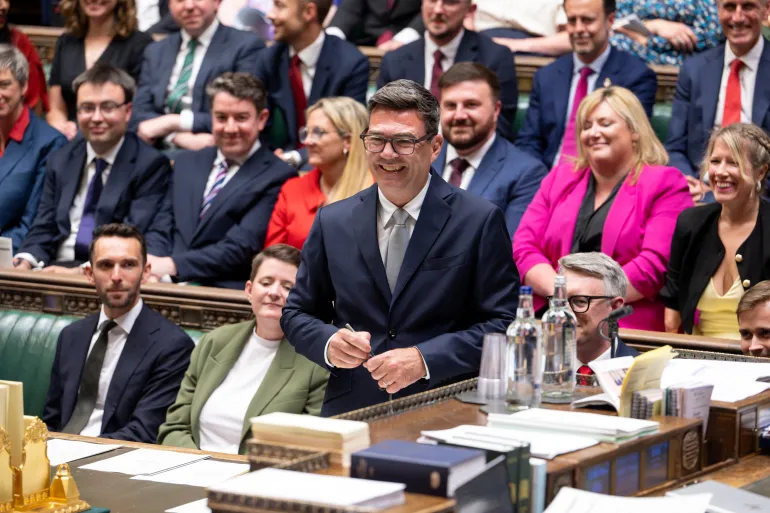
Andy Burnham is set to present his economic agenda in Manchester on Monday during his first major policy speech since Prime Minister Keir Starmer announced his resignation, positioning himself as the leading contender to head the United Kingdom’s next government.
The speech is widely viewed as Burnham’s formal bid for the country’s top office after returning to Westminster earlier this month. As the only declared candidate in the Labour leadership contest, he could become prime minister by mid-July if no challenger enters the race.
Burnham plans to place regional devolution at the centre of his programme, arguing that local communities should receive greater authority over economic development and public services.
Growth strategy focuses on long-term investment
The Labour frontrunner will outline a 10-year economic plan centred on reindustrialisation, infrastructure development, housing construction and utility reform. He is also expected to advocate relocating some government functions from London to Manchester as part of a broader decentralisation strategy.
Burnham describes his approach as “Manchesterism,” combining pro-business policies with greater public involvement in transport, water and energy services. Additionally, he supports reducing business rates for pubs and live music venues to stimulate local economies.
Labour Deputy Leader Lucy Powell said Burnham wants communities across Britain to shape their own economic future while maintaining the party’s broader policy direction.
Fiscal rules remain a central commitment
Meanwhile, Burnham has pledged to retain Labour’s existing fiscal rules, including balancing day-to-day public spending and reducing national debt. Housing Secretary Steve Reed said Burnham remains committed to the manifesto that secured Labour’s parliamentary majority.
However, economic pressures are expected to present significant challenges for any incoming government as Britain continues to navigate global economic uncertainty and fiscal constraints.
Attention will also focus on Burnham’s future appointments, particularly the choice of finance minister, which analysts believe will provide an early indication of the ideological direction of a potential new administration.

