

Pakistan is heading into the Rabi season with an expected 25% water shortage, raising fresh concerns about wheat production and food security.
The warning comes after Pakistan already faced an estimated wheat shortfall of more than two million tonnes last season. With reservoirs holding less water than a year ago, farmers may face another difficult cropping season.
Reservoir Storage Falls Before Rabi Season
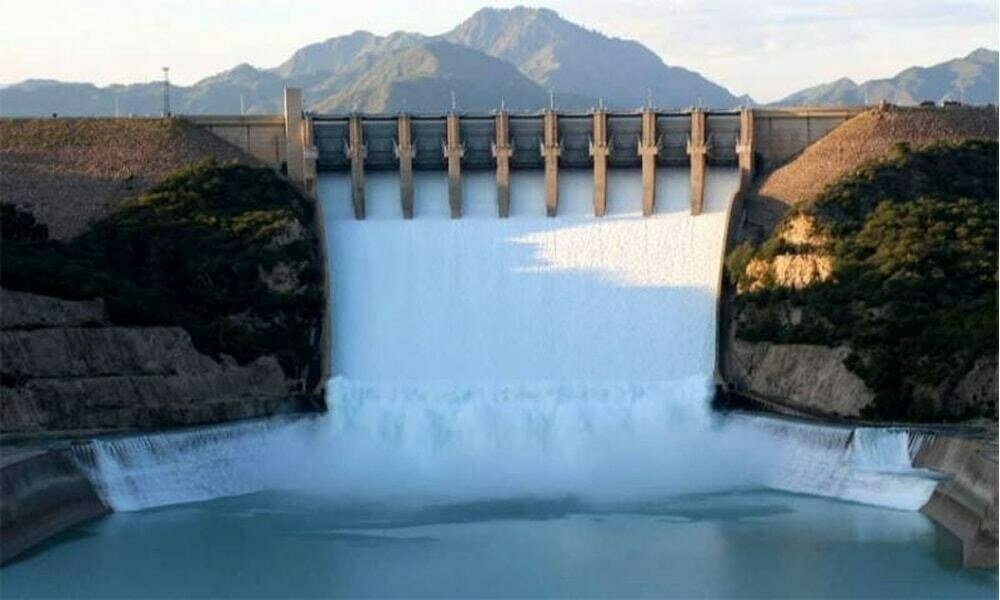
Pakistan’s two major reservoirs now hold less than 9.5 million acre feet (MAF) of water. This marks the lowest pre-Rabi carryover since 2021.
Last year, the Rabi season began with around 13 MAF in storage. Therefore, current carryover stands nearly 27% below last year’s level.
Storage in Tarbela and Mangla reached around 11.6 MAF on September 9. Tarbela remained at its 5.8 MAF capacity from August 9 to September 9.
Meanwhile, Mangla reached about 5.733 MAF on September 9. However, both reservoirs have since recorded significant declines.
Wheat Production Faces Additional Pressure
The water shortage comes as Pakistan continues to deal with a wheat supply gap.
The country had set a wheat production target of 29.7 million tonnes against estimated consumption requirements of 31.9 million tonnes. However, last season’s production stood at around 27.5 million tonnes.
As a result, the government ordered imports of one million tonnes of wheat. The first phase included 750,000 tonnes for delivery in November.
The situation could become more challenging if limited irrigation water affects wheat sowing and crop development during the coming months.
Farmers also face policy concerns as wheat sowing approaches. Pakistan Kissan Ittehad recently urged the government to announce a clear crop policy before farmers begin sowing.
Rabi Crops Require 37 to 38 MAF
The Rabi season officially begins on October 1 and generally continues until March 31.
Wheat remains the largest Rabi crop. Farmers also grow gram, lentil, tobacco, rapeseed, barley and mustard during the season.
According to current estimates, Pakistan may have only 21 to 22 MAF available for Rabi crops, including expected river flows over the next six months.
However, Rabi crops require around 37 to 38 MAF under the 1991 Water Apportionment Accord. This gap has raised concerns about how authorities will distribute limited supplies among provinces.
IRSA to Finalise Provincial Water Shares
The Indus River System Authority’s technical committee is scheduled to finalise water availability estimates and recommend a distribution mechanism.
The IRSA Advisory Committee is tentatively scheduled to meet on October 5. It will consider provincial water shares based on the technical committee’s recommendations.
Therefore, the final distribution formula could play a major role in determining how much water reaches farmers across the country.
Sindh and Punjab Water Dispute May Return
The expected shortage could also revive tensions between Sindh and Punjab over water distribution.
During shortages, IRSA uses a three-tier mechanism combining provincial allocations under Para 2 of the 1991 accord, Para 14(a) and historical water use between 1977 and 1982.
Under this mechanism, Balochistan and Khyber Pakhtunkhwa remain exempt from shortages. Consequently, Sindh and Punjab absorb the shortfall.
Sindh has opposed the system for years. The province argues that it carries a disproportionately large share of shortages.
Sindh has also maintained that IRSA exceeded its mandate when it introduced the three-tier formula in 2002.
Water Releases Add to Storage Concerns
Pakistan has released around 10.33 MAF of water into the sea since the Kharif season began on April 1.
That figure exceeds the estimated annual environmental requirement of about 8.2 MAF. However, the current debate also involves reservoir management and provincial water distribution.
Meanwhile, weak flows in the Jhelum River have affected Mangla’s storage.
Mangla held around 5.12 MAF on Sunday night, compared with its maximum storage capacity of 7.277 MAF. Subsequent releases further reduced its conservation level.
Water Shortage Raises Food Security Concerns
The expected Rabi water shortage comes at a sensitive time for Pakistan’s wheat supply.
Last season’s production already fell below both the government target and estimated consumption needs. Now, farmers face another season with substantially lower reservoir carryover.
As a result, the government and IRSA face pressure to manage available water carefully while protecting major food crops.
For now, the final provincial allocations remain pending. However, the decisions taken before and during the Rabi season could have a direct impact on wheat production and Pakistan’s food supply in 2027.
For the latest updates, visit and follow The Truth International website (www.thetruthinternational.com) and subscribe to the YouTube Channel.

